
Is the 16-gauge the Ultimate Upland Gun?
When I was growing up in the 1960s, 16-gauge shotguns were fairly common. The saying at the time was that, “The 16-gauge carried like a 20 and hit like a 12.” Back then, the “big three” gun makers all marketed 16-gauge pumps. There were lots of bargain-priced, bolt-action and single-shot guns around as well. Marlin even made a 16-gauge over/under. Browning sold its famous “Sweet Sixteen” semi-auto and 16-bore BPS pump guns.
Browning and other gun makers eventually discontinued 16-gauge pumps, but in 2016, Browning revived the famous A 5 “Sweet Sixteen” and will market two versions of 16-gauge semi-autos for 2022.
By 1900 or so, the 16-gauge already had a long, storied reputation in the U.S. as a premier upland game gun. It was very popular with New England grouse and woodcock hunters, who carried Parker and other fine double barrels in that gauge. 16-bore guns were also popular in pre-WWII Europe for driven grouse, wood pigeons, and woodcock. Fine double-barrels were produced in England, Italy, Belgium, Germany and Spain. It was a favorite shotgun bore for use in German-made drillings, the three-barreled rifle/shotgun combination guns.
Remember to check the length of the chamber listed on the barrel when buying a European or classic 16-gauge double, as some older guns may have 2 1/2-inch chambers. Yes, 2 1/2-inch ammunition is still available. More about ammunition and chamber length later.
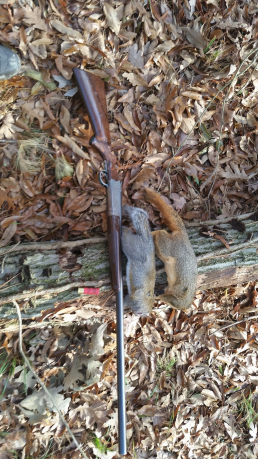
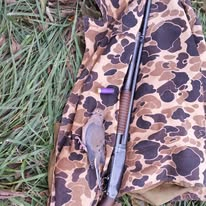
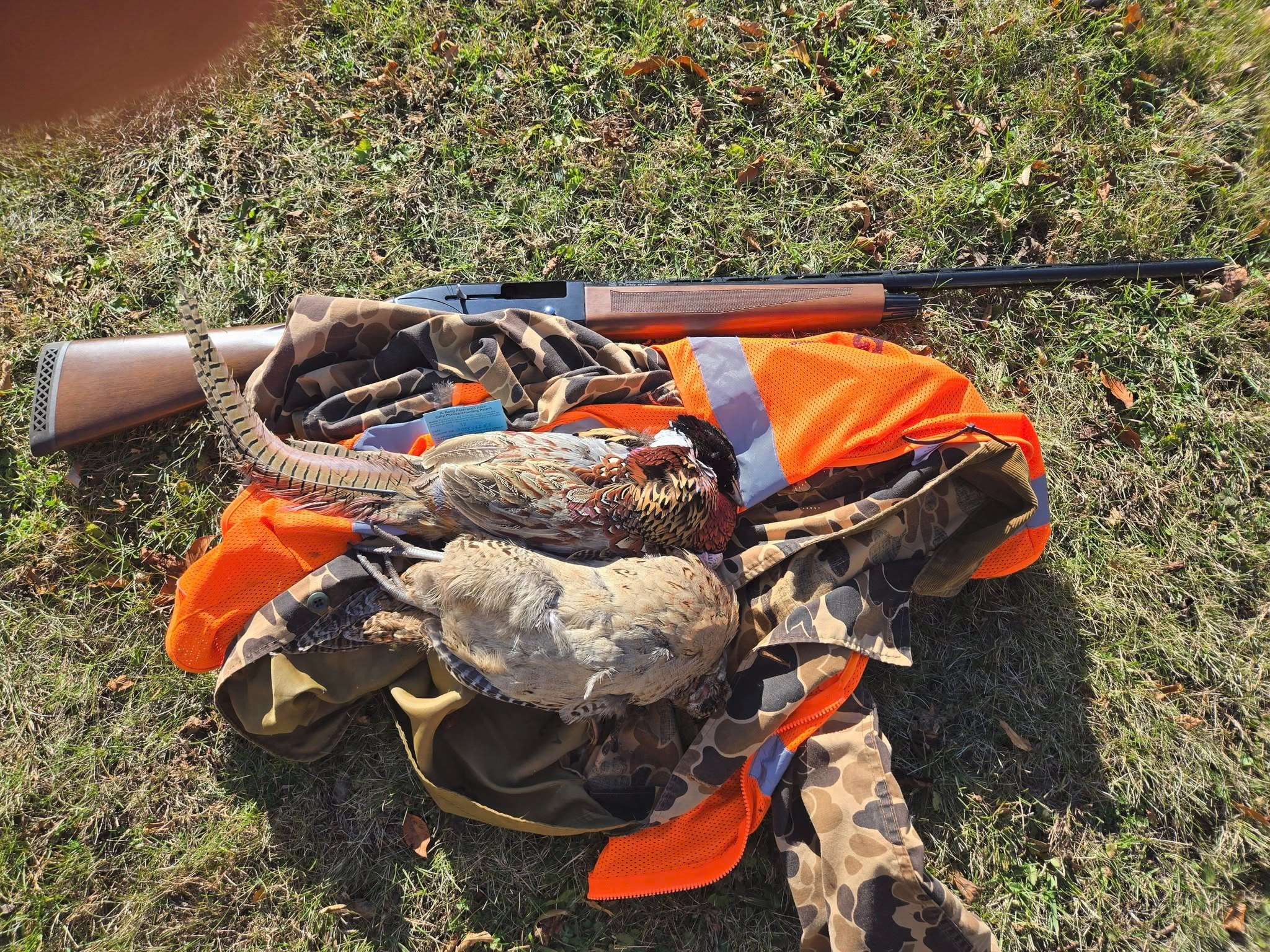
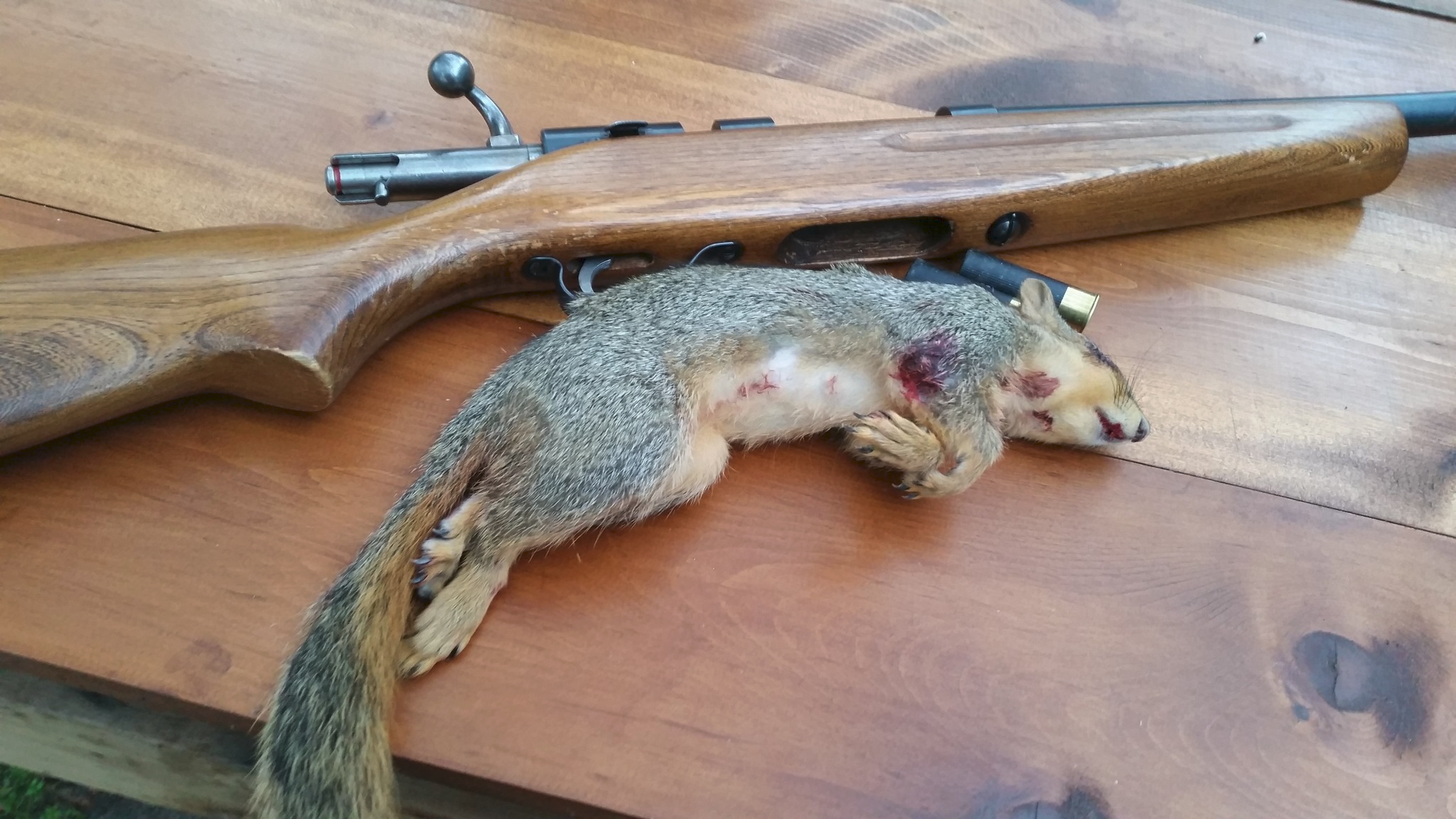
I own a collection of old and new 16-gauge shotguns, including a 1940 vintage Model 12 Winchester, post-WWII Stevens 94 single-shot with a Tennite plastic stock, several 1950s vintage bolt-actions, TriStar over/under and Viper semi-auto. The Viper semi-auto is my new favorite pheasant gun. The single-shot and bolt guns are my go-to squirrel and rabbit guns. One ounce of 6 shot moving at 1165 to 1200 fps will cleanly harvest a rabbit or squirrel with minimal meat damage. With open chokes and 7 1/2 shot, a 16-gauge makes a great grouse, woodcock, quail or dove gun. Load up with 1 1/8 ounces of 5 shot for pheasants.
You can be among the first to get the latest info on where to go, what to use and how to use it!
So, what spelled trouble for the 16-gauge? Heavier loadings of 20-gauge ammunition and magnum-chambered, 20-gauge guns, along with steel shot laws. During the first few years of mandatory steel shot use, shotguns other than 12-gauge were allowed for use as waterfowl guns with ordinary lead rounds. Better long-range and magnum 20-gauge lead loads basically made the 16-gauge obsolete. 20-gauge shells loaded with a 1-ounce payload of lead shot were basically a 16-gauge load. Steel loads were quickly developed for the 20, and a lot of hunters simply switched from the now-illegal lead loads to compliant 20-gauge steel. Yes, they did eventually make 15/16-ounce, 16-gauge steel loads, but years later.
With 20-gauge ammunition cheaper and more popular than ever, the demand for 16-gauge guns and ammunition plummeted. Demand for the 16-gauge also fell when ammunition makers discontinued popular-priced 16-gauge game loads. Low-priced 12-gauge, 1-ounce game loads meant that you could shoot the equivalent of a 16-gauge, 1-ounce load out of a 12-gauge for almost half the cost of a box of regular-priced, 16-gauge hunting loads.
So, what is saving the 16-gauge.? As light and handy as most 16-gauges are, my guess is that they will always be around. Ammunition is still made in lead, steel, bismuth, etc., and imported. If you only use your 16 gauge for hunting and leave the 12- and 20-gauge guns home for clay target shooting, the ammunition cost really isn’t all that bad. It still fills the niche of an ideal upland small game gun as nicely as it did over 100 years ago.
16-gauge ammunition—2 1/2-inch shells loaded with 1-ounce of shot, traveling about 1150 to 1165 fps—were the classic, 16-bore field loads in Europe. As 16-gauge guns became more popular here in the U.S., chambers were eventually lengthened to 2 3/4 inches. Velocity and payload of the shells were increased as well.
Game and target loads for the 16-gauge are one ounce of lead shot. I crushed sporting clays targets with 1-ounce 8 shot and harvested pigeons, doves, squirrels and rabbits with 1-ounce 6 shot. For shots at larger small game, try 1 1/8 ounces of lead shot at 1300 to 1330 fps. I’ve used these and harvested pheasants cleanly at 12-gauge ranges. Yes, steel, bismuth and other non-toxic and waterfowl shells are available.
Federal loads #1 buckshot for predator hunting. For deer, slug-loaded ammunition is available in both 4/5-ounce, Foster-style rifled slugs, and heavier European Brenneke slugs. I have a friend in Iowa who has harvested dozens of deer with an ancient, 16-gauge J.C. Higgins pump shotgun and Foster-style rifled slugs.
Trying to find a 16-gauge gun used to require lots of looking on used gun racks and strolling around at gun shows. There are still some good, used 16-gauge finds to be had out there. Demand from the shooting public has led to some really nice, new 16-bore guns on the market! Browning occasionally sells limited runs of high-end, lightweight over/unders. TriStar and Stevens Arms import over/under shotguns from Turkey. Tristar also makes a 16-gauge semi-auto in its Viper series. As mentioned, I have a 16-gauge Viper and I love it. Baikal of Russia makes 16-bore guns, but mainly for the European market.
Personally, I would not be surprised to see a limited run of 16-gauge guns in pump-action or single-shots, either imported or made here in the USA, sometime in the future.

Did you enjoy this post?
You can be among the first to get the latest info on where to go, what to use and how to use it!