
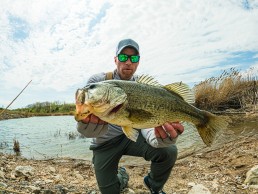
Three Season-Changing Lessons
The easy days are fun, but they rarely teach us anything.
Spring is always electric. You can feel it in the air. Before even making our first cast, optimism surrounds us. The sun seems to be a little warmer (it is). The days seem to be a little longer (they are). The signs and smells seem more vibrant. Rich. Alive.
The hands remember everything from last year. The knots. The baits. The line. The casts. The drive. The launch. Once the process starts, everything becomes automatic. Then the brain starts to wander. Starts to tell stories about what could happen—no—what’s going to happen. The problem, however, is that it never happens. At least, not like Mr. Brain told us it would.
A few casts in we realize that… things are different. The water clarity changed. The cover has moved. The forage left the area. Why? Who knows! That’s the beauty of fishing. The unknowns. The variables. The fact that you’re dealing with living creatures that operate on instinct. Instinct alone?
You gotta wonder.
Every year, I learn something new, and as I think about what I’ll do differently this season, these are the three most valuable lessons that come to mind. They were painful, and I’m stubborn, so allow me to distill the info and save you a few headaches. If you fish with limited time like I do, these tips will help you catch more fish, help you waste fewer trips, and show you that your mindset often matters more than the lure in-hand.
Lesson #1: Quit waiting for permission to throw topwater
Many of us have been taught that topwater has a starting line. Early spring is for long pauses, slow-dragging jigs, and perfectly still jerkbaits. Obviously, these methods can be productive, but two things can be true at the same time.
Bass will attack a topwater when they want, and last year, some of my best, biggest, meanest largemouths annihilated flappy, noisy topwaters well before I was “supposed” to be throwing them. The bottom line is that fish will eat when they want to eat, and there is just something about a noisy topwater that gets them fired up.
I started throwing The Crowbar (a Z-Man GOAT Toad with several modifications) when the water nearby was only about 55 degrees at the surface. Now, I’m not saying that a topwater bite is guaranteed in cold water. In fact, I’d actually say that topwater early on with cold water will tend to produce far fewer numbers… but if you get your bait in front of the right one, she’ll bite, and she’ll make your week.
When a big bass decides to commit to a bait like this, they commit hard. The bite will be explosive, and you will jump out of your skin. Larger baits like this feel “too big,” but often, that meal is just the right combination of effort versus value to the fish. They eat big once and enjoy a boatload of calories. Sometimes, it’s the clearest signal of an easy meal that you can send.
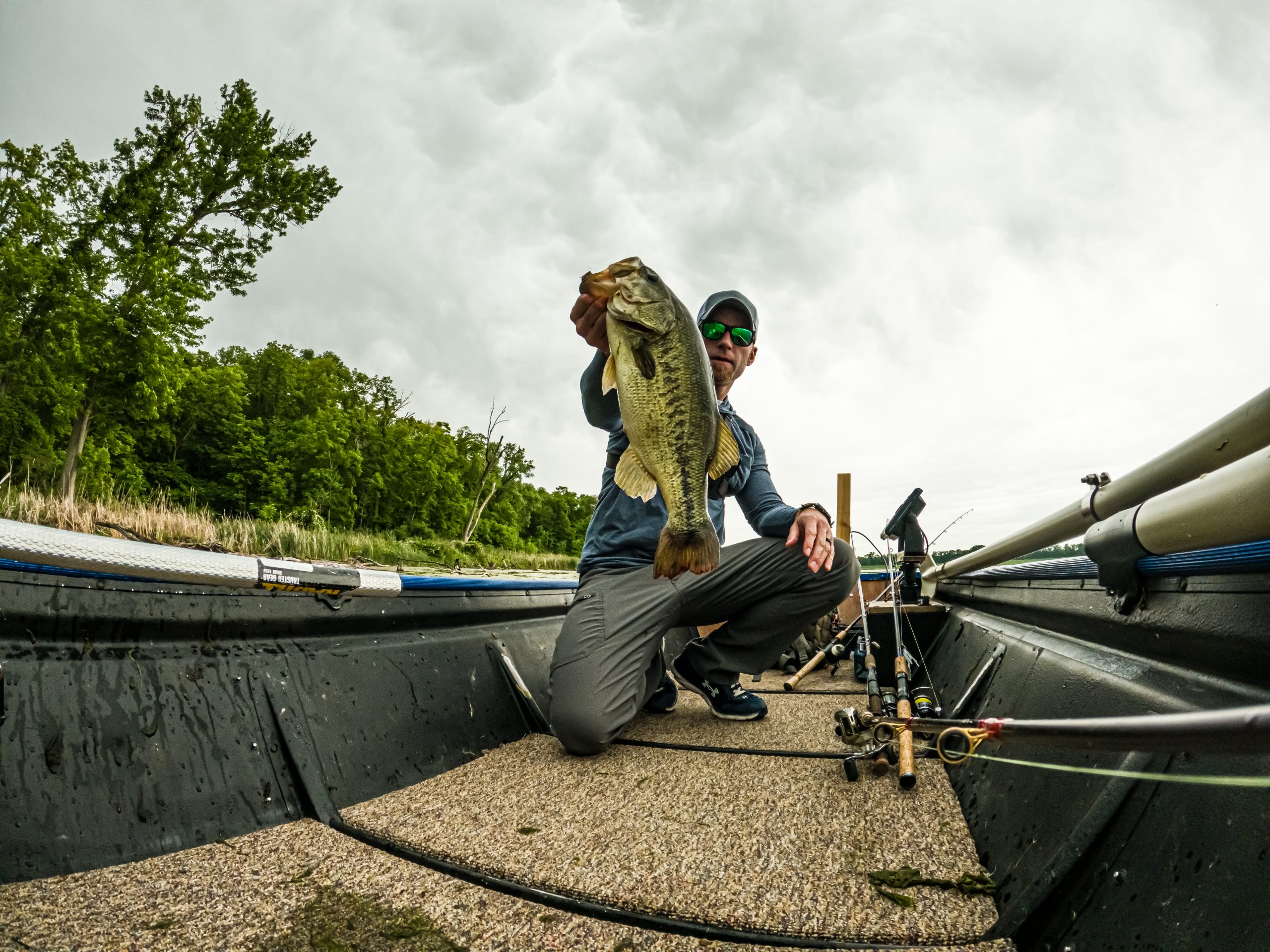
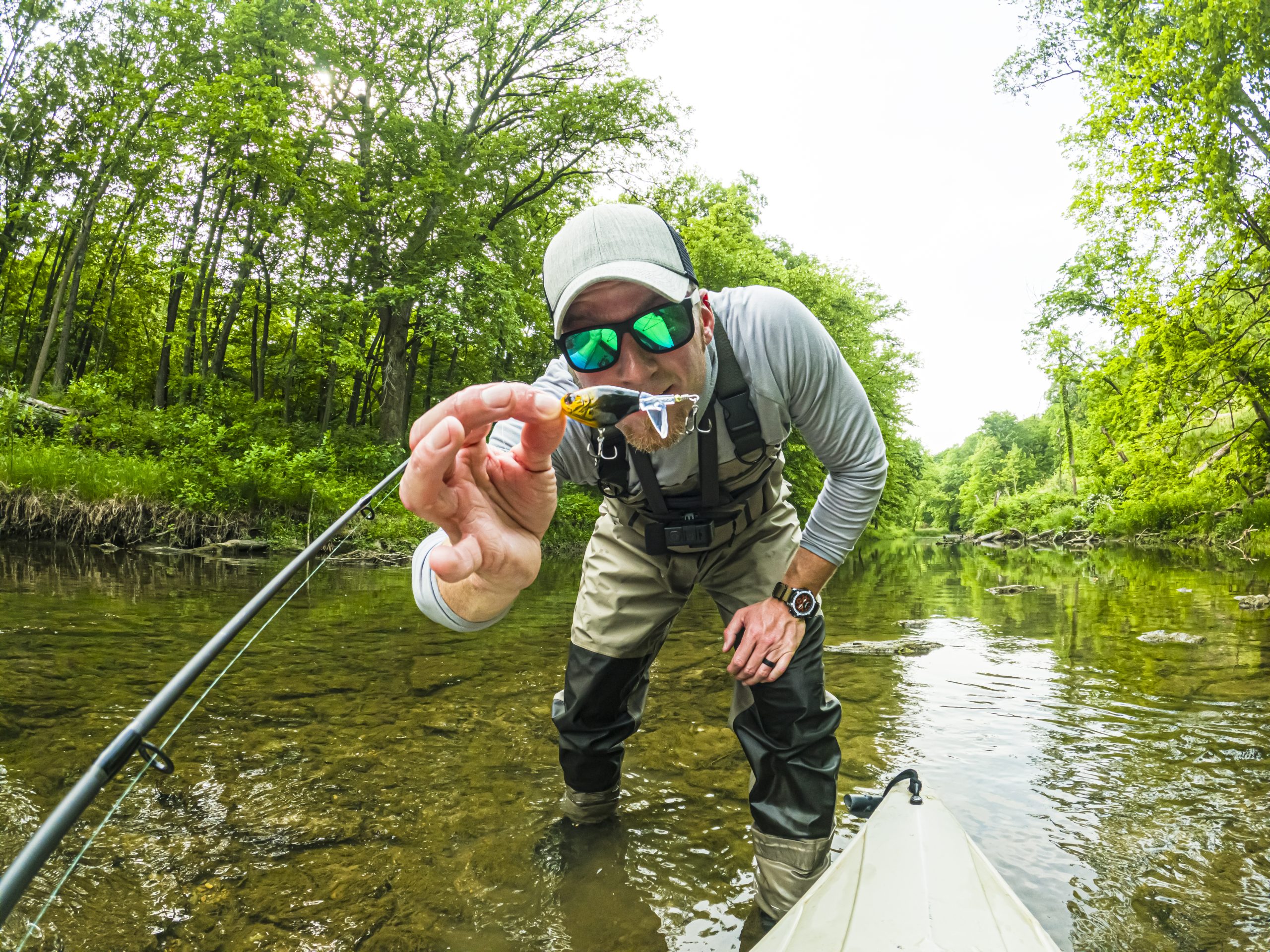
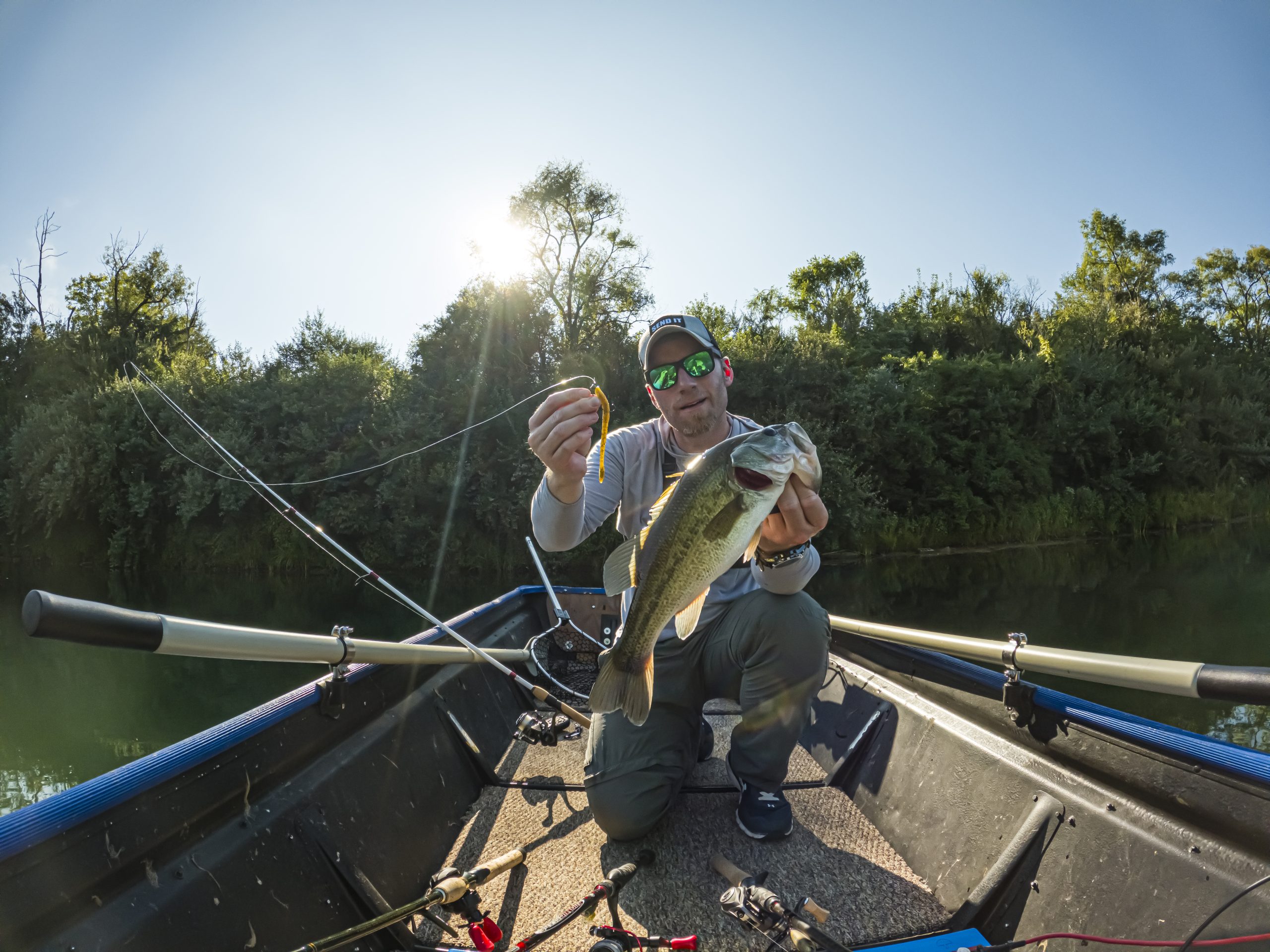
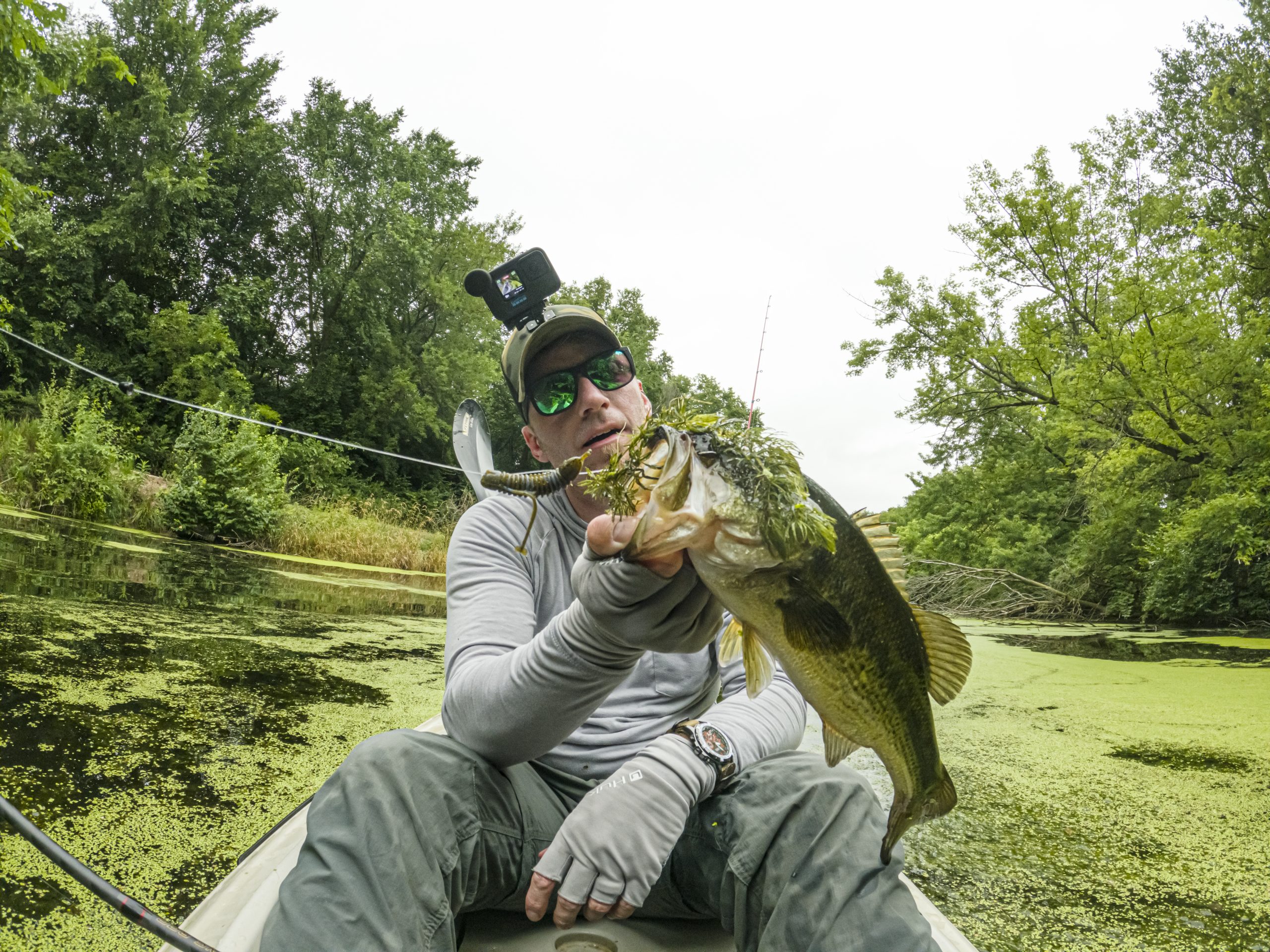
Last season, this paid off in spades, and I’m sharing the lesson with you because I had to physically and mentally prepare myself for the adjustment. I had to tell myself, “Today it’s cold. I’ll try topwater just to see if it works, and that’s it.” I thought I was wasting time, but the more I tested it, the more I realized something important:
The fish don’t see much topwater at this time of the year. They see a lot of it later on, when they are ‘supposed” to see it. When they zig, you zag. Don’t wait for permission.
Lesson #2: The 80/20 Rule is alive and well
This one is tough, because I’m just like you. I love tackle. I love the potential that comes with a new lure. Another purchase. It makes me dream about behemoths. This is the draw. New gear, new tackle, helps us feel productive because it allows us to envision what could be.
That’s a lot of fun. However, at some point, we need to start being honest with ourselves. When I started to log every catch (location, species, bait—yes, every single fish) six years ago, I was hoping to see patterns. I did. However, everything I expected to see… was wrong.
When I sat down this winter to analyze the cold, hard facts without any emotion or distractions, it became crystal clear that 20 percent of my bait selections had accounted for 80 percent of my fish. Could it be true? In my head, I love, love fishing swim jigs. They are a confidence bait for me. But my stats showed me that out of 355 largemouth and smallmouth bass last season… only two hit a full-size swim jig.
Two? Two! Impossible. So why didn’t it feel that way? Well first, both fish were chunks. On top of that, when I started fishing heavily again about six years ago, I relied on swim jigs to get in and around muck and sludge here in Illinois. It was my only horizontally-moving bait. Spinnerbaits and exposed trebles weren’t an option. But as the years went on, I found new locations with new types of water and cover, and in my experience swim jigs have not produced as well in crystal clear water. So, my emotions tell me one thing… but my stats tell me another.
Track this yourself. Start a log and see what methods produce for you. I bet you will be surprised with the results. A Minimalist Fishing staple states that fewer options create more focus. More focus creates better decisions. Better decisions lead to more fish.
You can be among the first to get the latest info on where to go, what to use and how to use it!
Track. Analyze. Reduce. You’ll pack lighter and adjust on the water faster. Remember: New gear never creates more fishing time. A cleaner system does.
Pack lighter, leave room for testing, of course, but assess honestly. You’ll catch more fish.
Lesson #3: The worst days teach us the most
This one sounds so… cliché until you live it. Again… and again… and again… In addition to a spreadsheet with simple catch statistics, I keep a fishing journal. I’ll make myself write a few paragraphs about every trip while they are still fresh in my mind (usually the next morning, but within 24 hours). Then, I’ll go back and read entries at random.
The difference in mood between easy and hard days cannot be overstated. This is a direct reflection of life in general. Let me explain.
On good days, it all clicks. You know it all. You have the bass figured out. Dialed. They can’t hide. You’re relaxed. Confident. You’re making casts with pinpoint accuracy. Setting the hook in a strong, calm manner. The fish are validating your efforts.
But there’s no growth happening here. Sure, it’s fun, but you’re on autopilot.
The bad days, on the other hand, strip you down. You don’t know anything. The lake must be empty. Dead. You’re anxious. Uncertain. Your casts are too loud and too long. You’re jerking the hook out of their mouths when you do get a bite. If it’s even a bite. Maybe it was a stick? Probably. A fish sure would validate my efforts.
On days like this, there is only one course of action…
Lock in.
Hard days demand that we work harder. They require a level of awareness that the easy days don’t. Suddenly, you pick up on the direction of the wind, congregations of birds, the water clarity, the lake bottom, the cover and structure, the food. Coasting isn’t an option.
It’s just like life.
During the good times, it all clicks. I can pay the bills, raise my kids, see my parents and grandparents, finish my work. I’m confident… but is there growth?
Then bad times come and they strip you down. You’re not going to cover expenses, your kids won’t call, you lose a loved one and your work is suffering. During times like this, there’s only one course of action…
Lock in.
Pray harder. Work more. Push through.
The rough days are what sharpen us. They mold us. They define us. The best anglers, and the best men and women don’t avoid hard days… they use them.
Thank God for these terrible days that teach us the most.
This season, I’m keeping these lessons on repeat
I’ll throw topwater before I should. I’ll leave the baits I never use at home. I’ll lean into the awful days, knowing that the hardest ones are the fastest path to better skills.
I’m excited to see what else I’ll learn, because these lessons from the water build us up into the most dangerous kind of fisherman: the one who can adapt.
Did you enjoy this post?
You can be among the first to get the latest info on where to go, what to use and how to use it!
