

Springtime Small Jaws on Normandy Reservoir
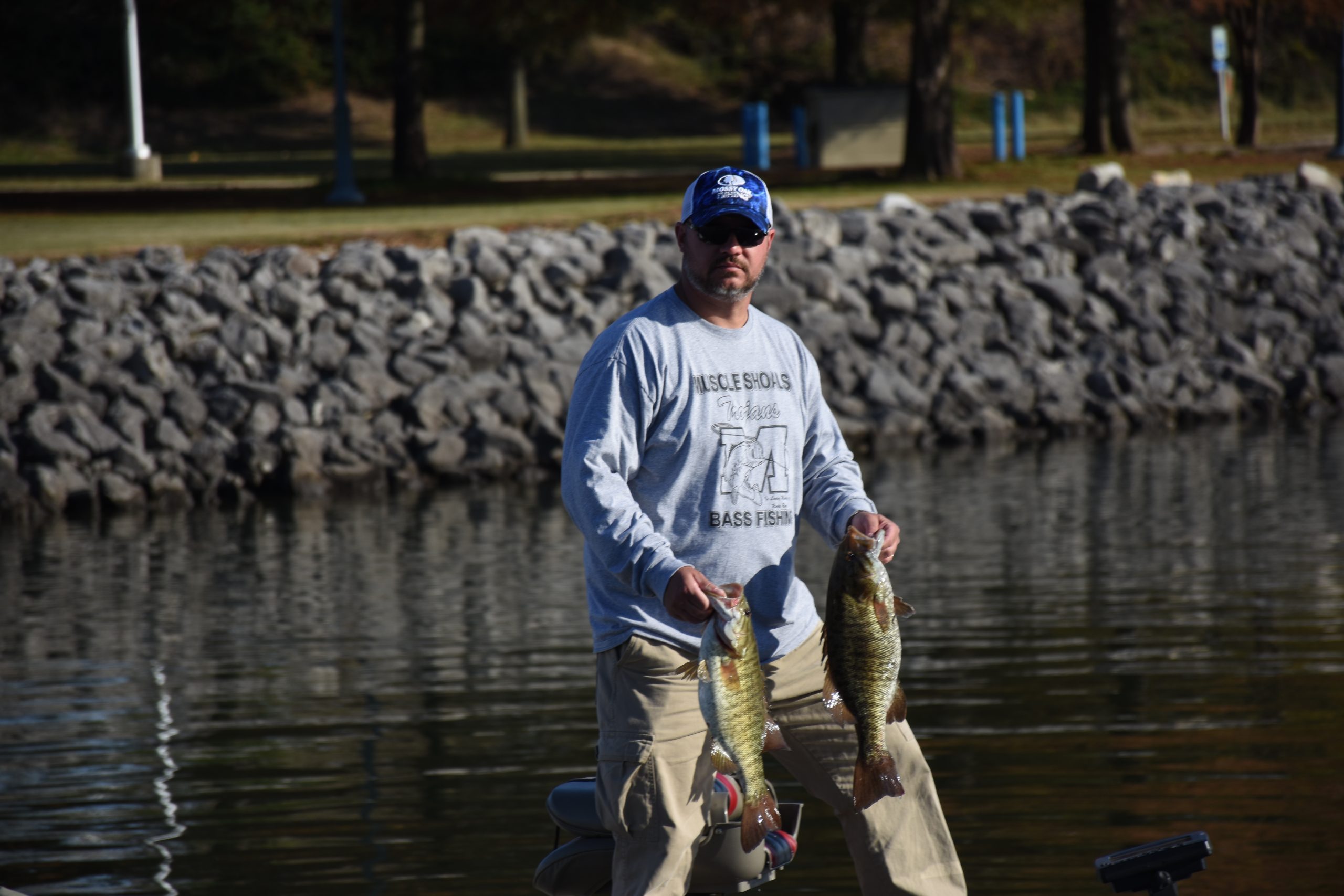
Normandy Reservoir is a part of the Duck River that rolls through Middle Tennessee. When you think of Normandy, think of a “man of constant sorrow,” as this is an impoundment on the Duck that was created when they put in the dam. The topography of the lake is a mirror of what you see on the shoreline. Steep drops. Flooded timber, houses and a church can be seen on your depth finder. It’s also one of the most underappreciated smallmouth lakes in the South, especially in spring, when the water starts to warm and the days get longer. The lake supports healthy populations of largemouth bass, spotted bass and walleyes. It’s also one of the top five crappie lakes in the Mid-South.
Understanding spring smallmouth behavior
Once spring arrives in the Mid-South, smallmouths begin moving from deep-water holding areas into transitional and staging areas. Once water temps reach the mid 50s, the fish become more active and begin feeding heavily in preparation for the upcoming spawning season. In early spring, they may still be deeper, but come mid- to late spring, they will congregate in shallower rock piles, points and shelves adjacent to deeper water. This is where a good graph helps, as Normandy is a deep reservoir, and finding these locations is much easier with quality electronics. Smallmouths in Normandy tend to favor cleaner and clearer water. If that area had a rock or gravel bottom, that’s even better. Just by simply targeting areas like this, your catch rates will increase dramatically in spring. To simplify, look for the following areas:
Main channel and river ledges—Smallmouth use these as transition zones between deeper and shallow water. Watch for rock ledges, submerged points, and wooded river channels that allow for ambushing baitfish.
Secondary points near deep water—Points that extend from banks toward the main reservoir provide access to deeper water while still offering shallow structure. Smallmouths often stage on points, especially ones with structure on them, before moving up to shallower flats as temperatures rise.
Rock piles, brush, and drop-offs—Natural cover such as rock piles and brush attract forage and provide ambush points. Smallmouths often hold just off these structures, ready to dart out for prey.
Selecting the right tools
You can be among the first to get the latest info on where to go, what to use and how to use it!
There is no need to break out the big rods for these springtime bronze bombers. A quality medium-light to medium rod is more than adequate. Those with faster tips are your best options. Early on, strikes will be subtle, so rod sensitivity is important. I prefer a 6- to 6 1/2-foot spinning rod and a 7-foot casting model for this situation. Reels are standard as long as they have a quality drag. Since these fish prefer the clearest of waters, stick with a good fluorocarbon line. Southern reservoirs get a lot of pressure, so stealth is always a concern in clear water.
Lures for spring smallmouths can vary year to year but here is a baseline starting point.
Finesse/soft plastics are the deal in early spring. Smallmouths are still a bit lethargic, so a slow and deliberate presentation is required. One of the absolute best southern smallmouth lures is the Charlie Brewer’s 4-inch slider worm. Fish it so slowly that you rub the paint off the jig head, and it’s hard to beat. In the soft plastics realm, 1/8- to 1/4-ounce tube baits have saved me from a skunky day more than once.
Spinnerbaits and blade baits are deadly about midway through spring. They move faster than soft plastics and get you aggressive feeding bites. Even if the water cools down with a cold front, you can “slow roll” these baits and trigger strikes.
Crankbaits work best in late spring. Shallow- to medium-depth runners are the norm. In southern reservoirs, there are two types of crankbaits for smallmouth: One looks like a shad and the other mimics the colors of a crayfish.
Time of day matters when hoping for a brown fish. Early mornings and late afternoons are always good. Late mornings can be good if you know where the schools of shad are going to be. A good bait ball has ruined many anglers over the years. Water temps in the Mid-South can change overnight, so keep an eye on that water temp. You’re looking for 50 to 60 degrees to optimize your time on the lake.
Spring on any Mid-South reservoir, especially Normandy, can be magical. Anglers must do their parts to understand smallmouth movements and what those movements indicate. If you gain that understanding, these deep, cold reservoirs are calling your name.
Did you enjoy this post?
You can be among the first to get the latest info on where to go, what to use and how to use it!
