
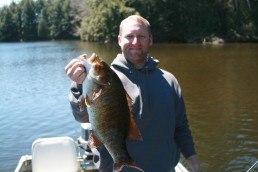
Rock Shoals: Bullseyes for Spring Smallmouths
Isolated rock shoals are integral to finding and catching spring smallmouths. Fish that use these locations stack and stage along their deeper edges. On lakes that have them, they’ll be smallmouth magnets.
Despite their positive characteristics, shoals can potentially be the most frequently-fished structures due to being such obvious targets and visible on lake maps and navigational charts. Side-imaging also easily reveals them, if you know how to use it. Many shoals are also marked by buoys as navigational hazards, so they are landmarks to the lake. As a result, they receive the heaviest fishing pressure, and smallmouths using these spots can quickly become conditioned as a result.
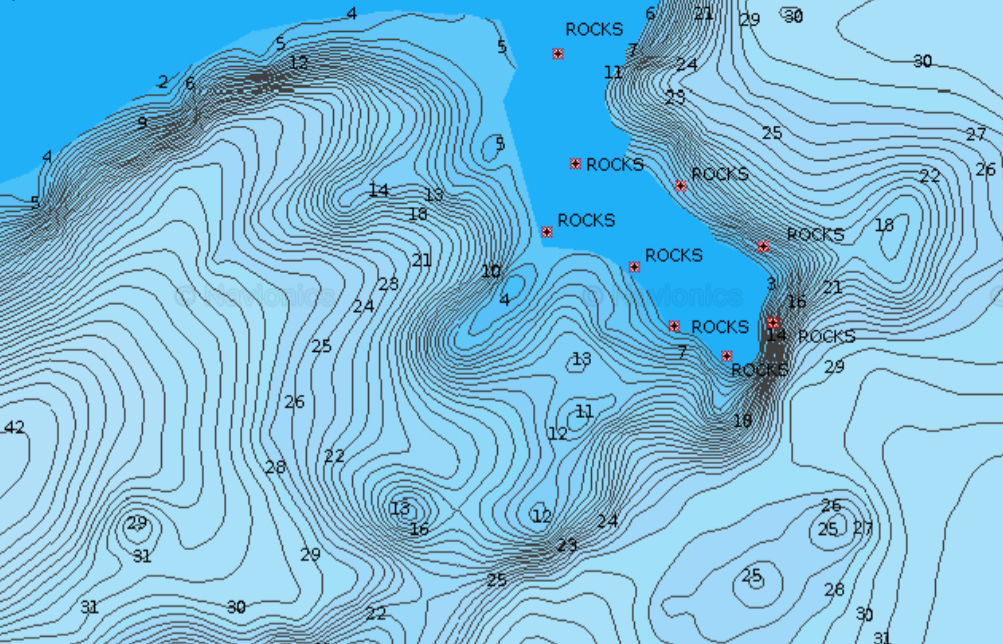
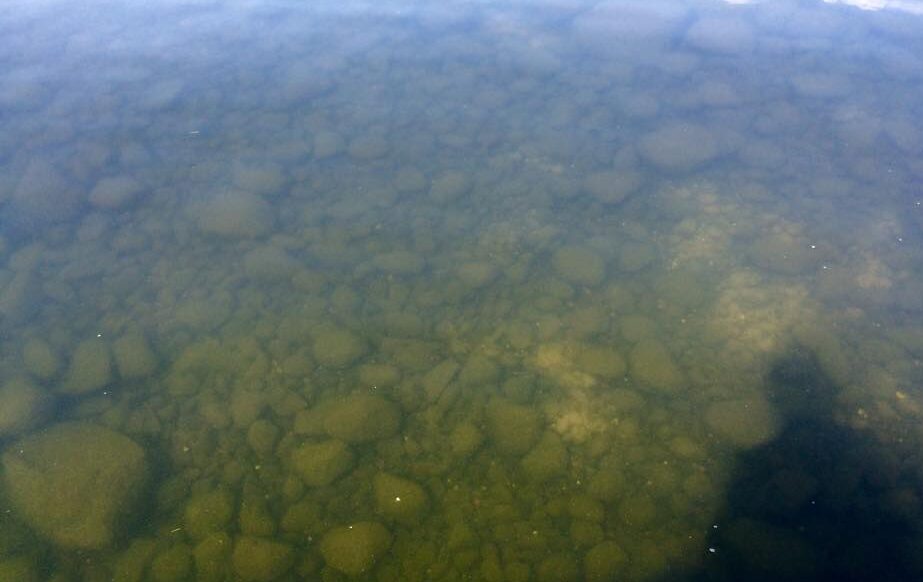
On the map, shoals are naturally-submerged ridges, shoreline protrusions, or bars consisting of a combination of gravel, palm-sized or larger rock, boulders, and hard, compressed sand. The best shoals are in depths of 5 feet and less, and provide sanctuary with a drop-off and access into deep water. Most areas are isolated, but if dispersed in a series, can form reef complexes. Shoals are important to the spawning success of not only smallmouth bass, but walleyes and suckers, which each utilize them a few weeks before smallmouths do.
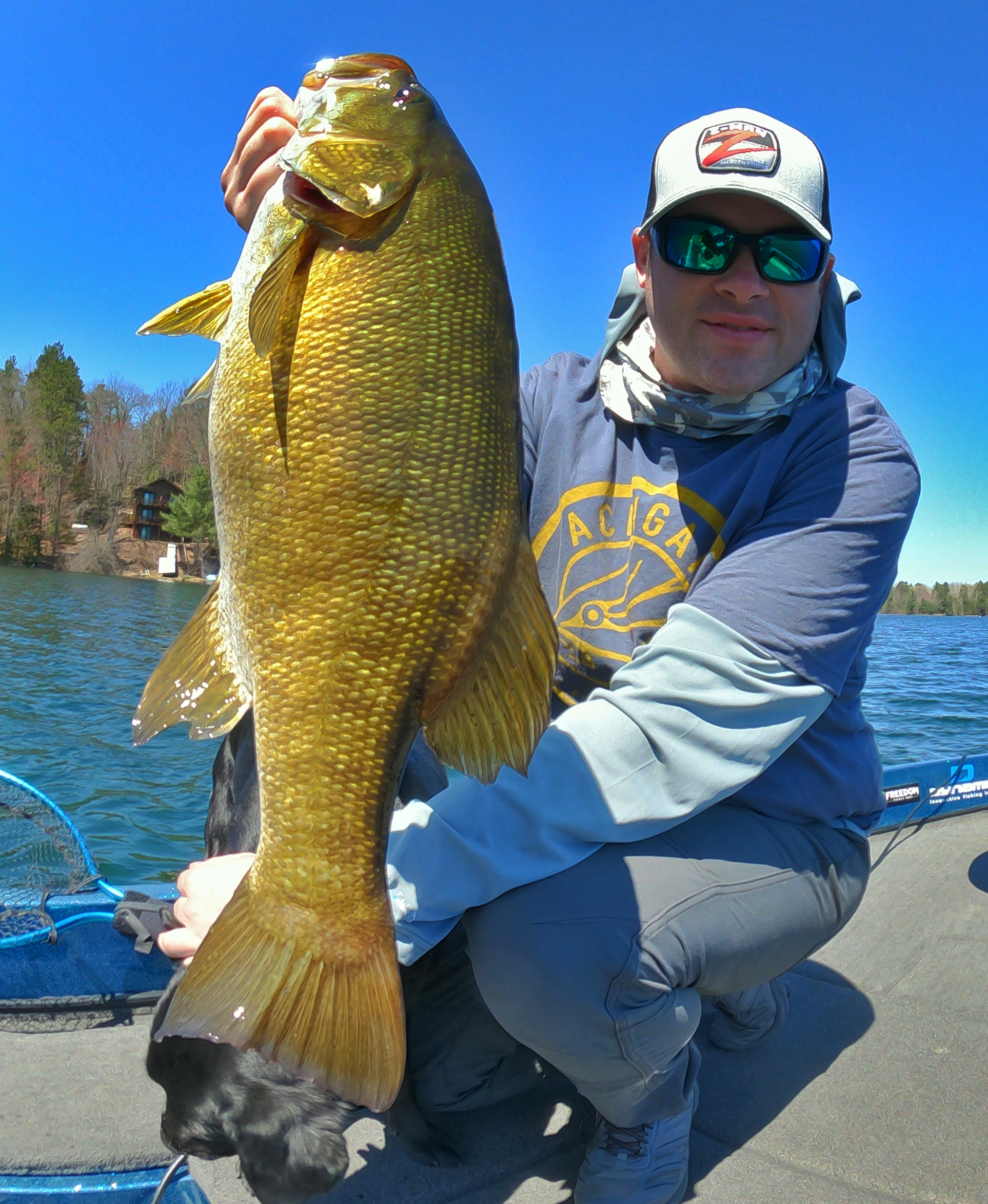
Most shoals will reliably have a fish or two on them. But like anything in spring, timing is everything. At the right place and at the right time, some shoals are capable of housing pods of 20 or more catchable, adult smallmouths. This scenario has played out on many spring afternoons, in which we camp off the edges, repeatedly catching dozens of smallmouths, before they become conditioned to our techniques.
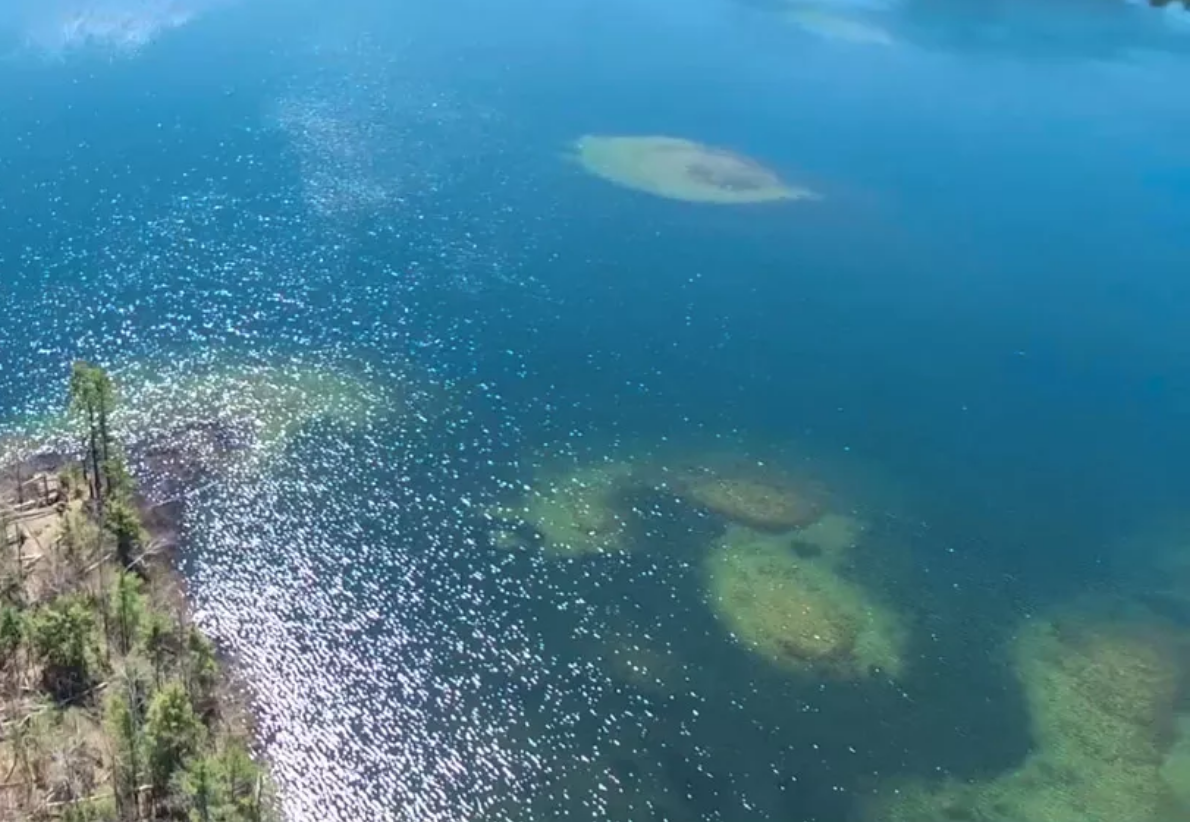
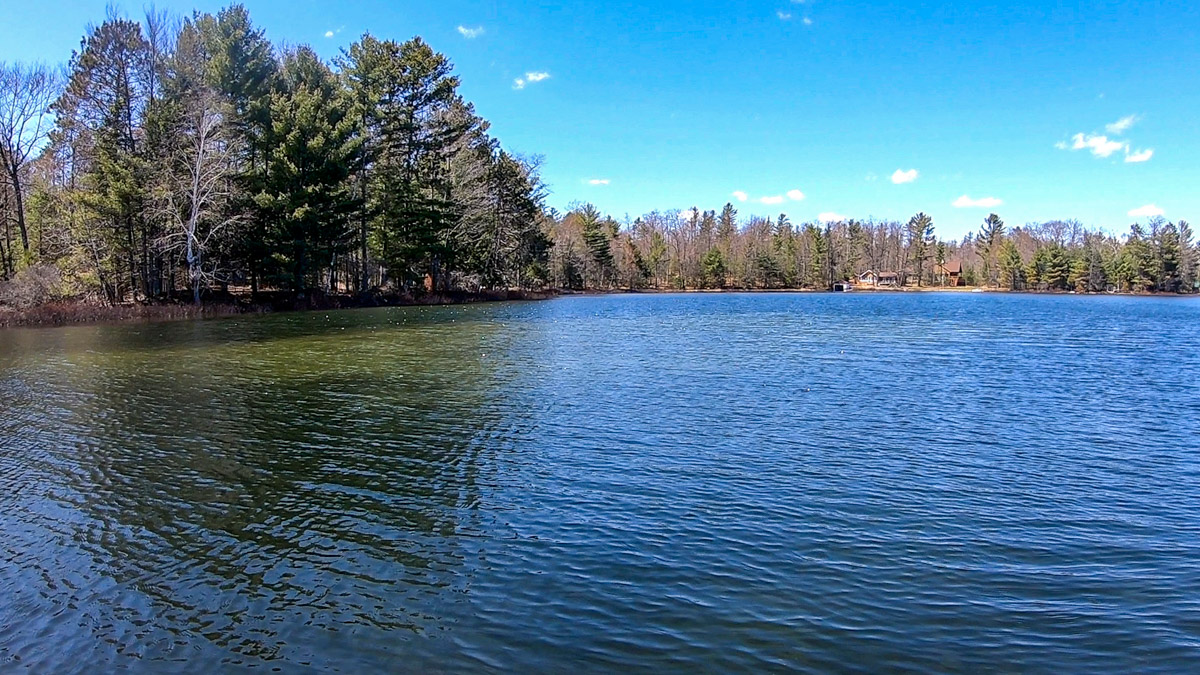
Rock shoals get fished the hardest by most boats, simply because they are easiest for anglers to find with side imaging. And on clear bodies of water, they show up easily on aerial images. Some shoals, if located nearshore, will also be visible to the naked eye.
Shoals that are displayed on most detailed lake charts and maps quickly become popular community spots. However, a good number of them are unmarked, unmapped, and are located in isolation from most other structures. These, in turn, hold the most unpressured fish in May.
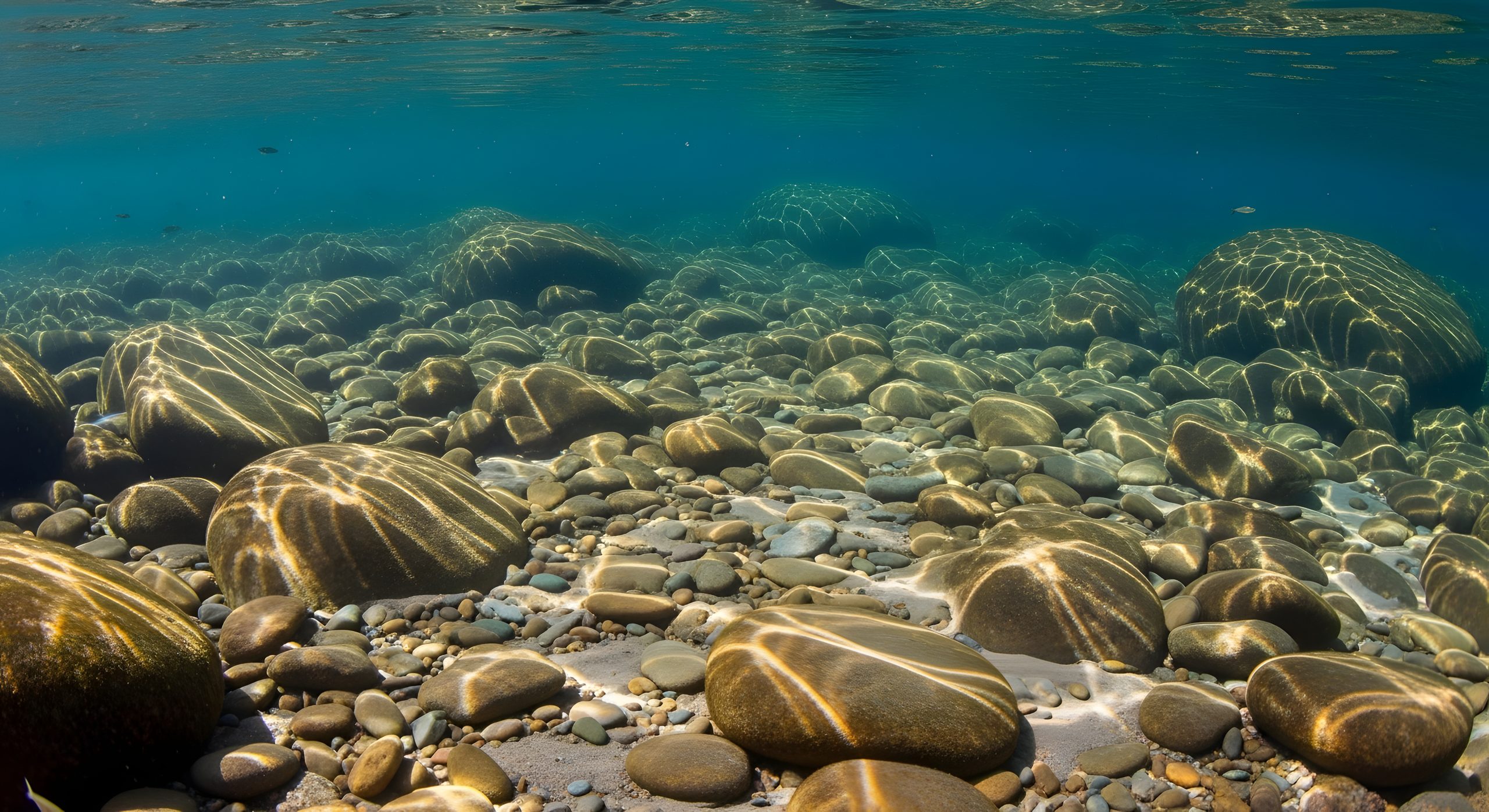
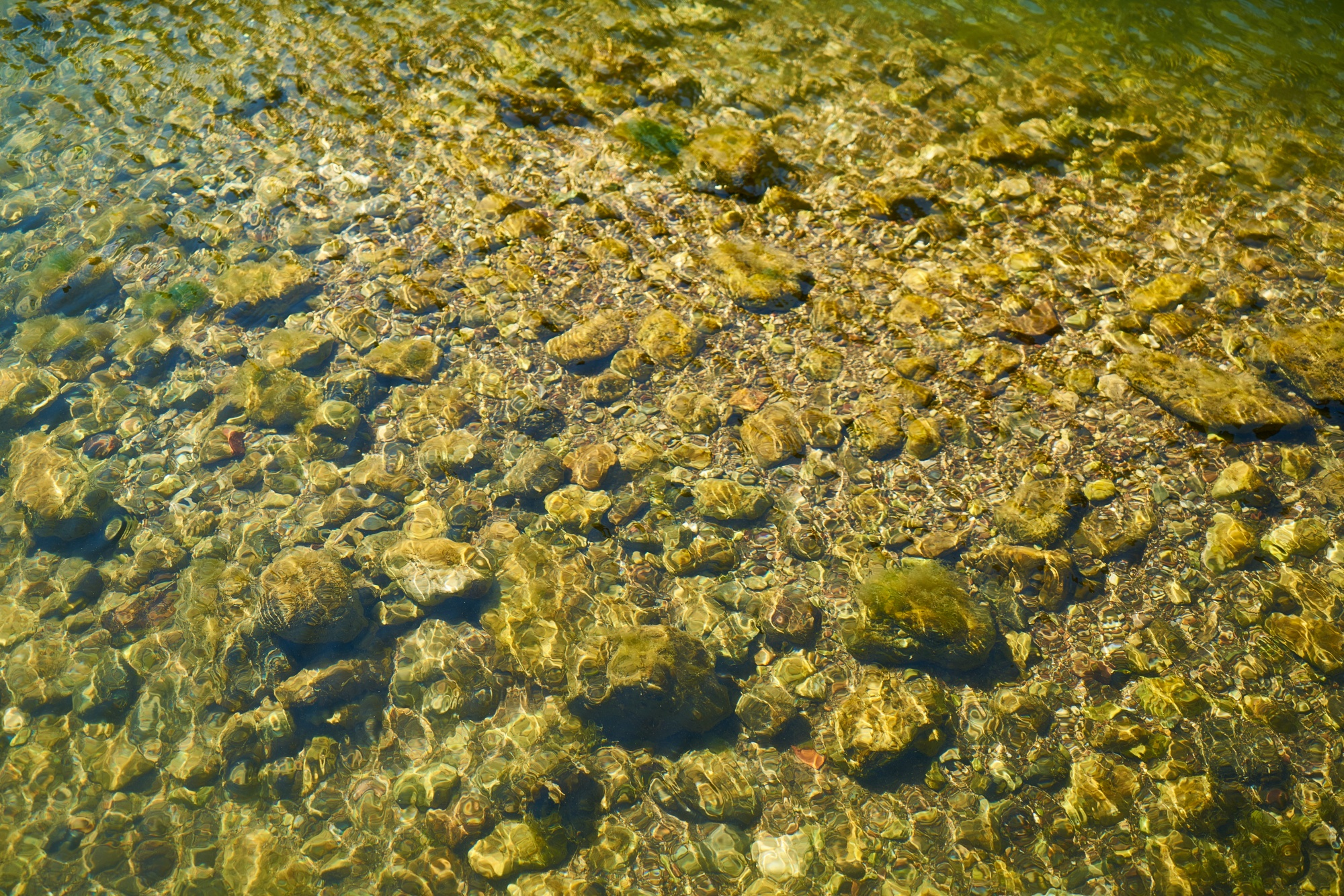
Boulders, palm-sized rock, and gravel atop bedrock are the most common shoal substrates. Find these spots, and they’re smallmouth magnets. Meanwhile, some of the largest flats you’ll find may eventually transition into large rock fields and shoal beds. Side imaging and 360 are tools you’ll need to find and pick them apart.
You can be among the first to get the latest info on where to go, what to use and how to use it!
Several of my best smallmouth fisheries contain multiple shoals where fish show up early in spring to feed and commune together. They all top out at 2 to 3 feet, but provide sanctuary with a drop-off and access into deep water. Some days, smallmouths may be feeding heavily up top; on others, they’re staging off the edges. To best catch them, hang and suspend a jerkbait in their faces.
Fish them slowly and methodically to coax lethargic bites. Work too fast, and smallmouths will lazily drift back down toward the bottom.
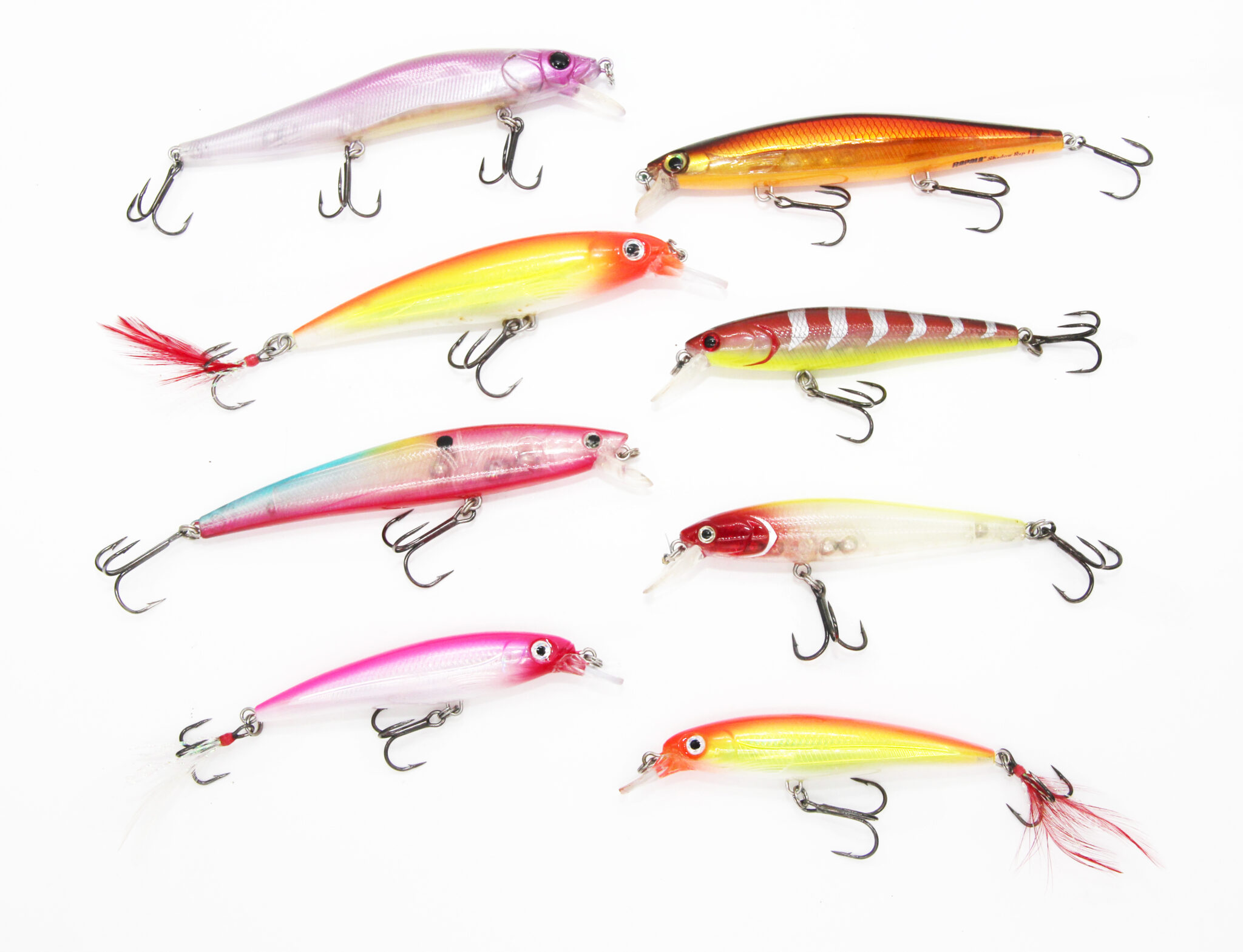
Try the deepest edges first, since water temperatures are still on the cold side. In these areas, I favor deep divers like the size 11 Shadow Rap Deep. It’s irresistible on a long pause in cold water, and will slowly sink deeper. Instead of jerking, give it more subtle pulls to achieve depth. I’ll wait patiently in between pulls; if necessary, upwards of 30 seconds. Rip downward to push it deeper.
As water temperatures approach the low to mid-50s, smallmouths will progress shallower to the shoal. Now, you’ll want fish to more aggressively, but still maintain that slow pace. I favor working with an X-Rap 08 and 10, Dynamic Lures J-Spec, and the defunct 4-inch Matzuo Phantom Minnow; the wide tail kick and loud rattle of this bait continues calling them in.
The Rapala Shadow Rap has connected with big smallmouths atop these structures, but the thin lip has a propensity to break off, and body cavity does not hold up well to rock deflections.
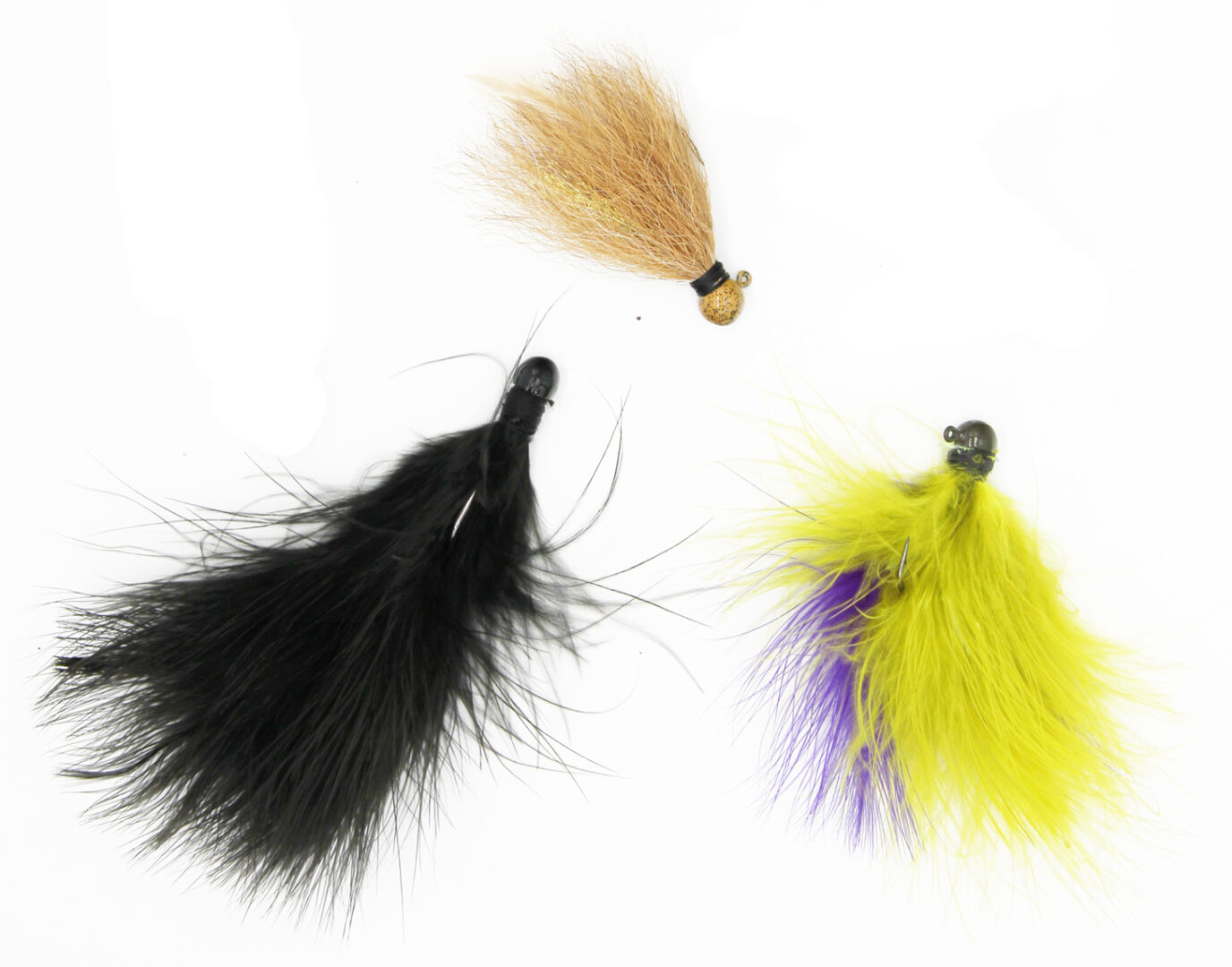
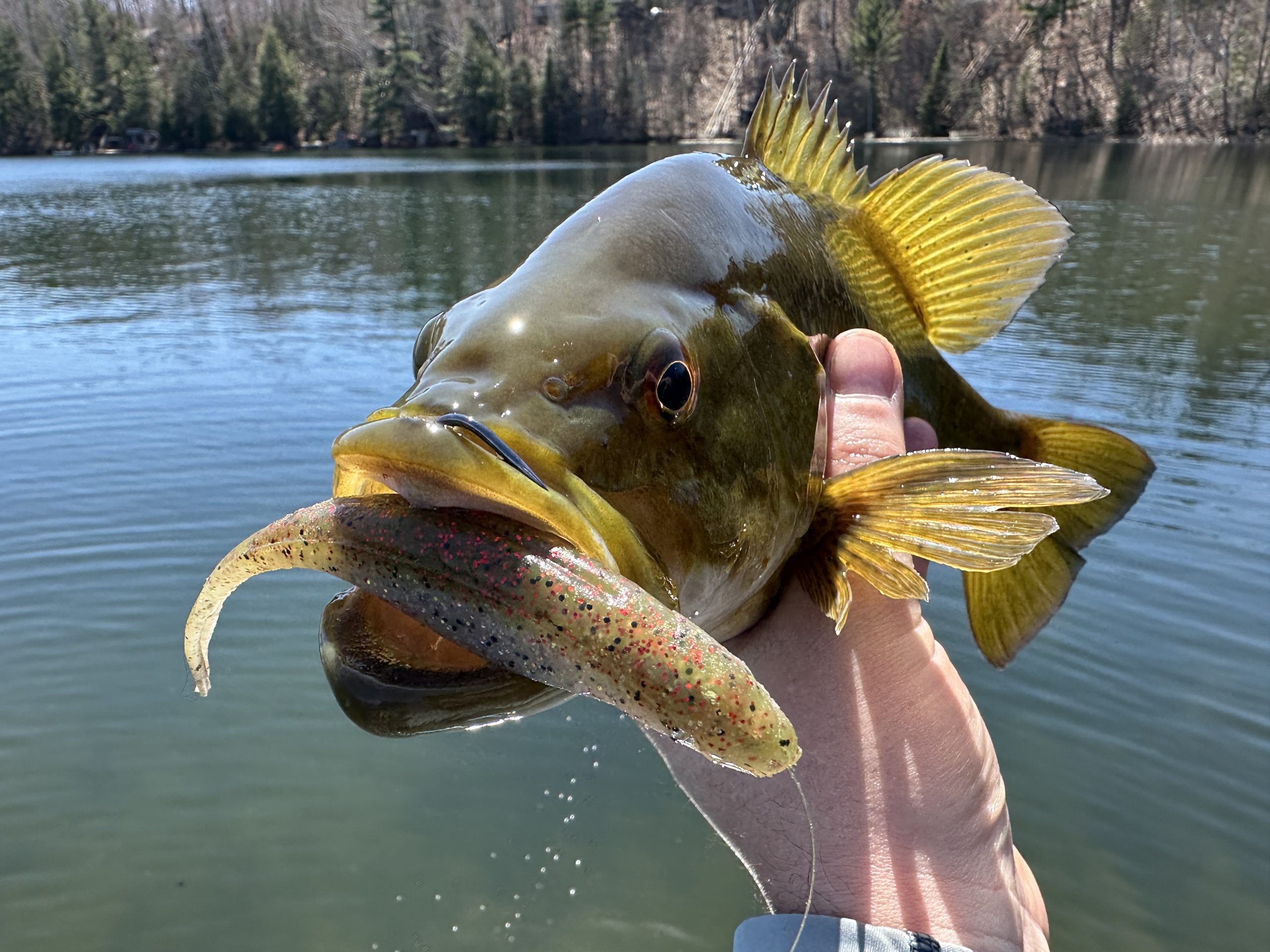
When all else fails, a hair jig will catch these shallow rock dwellers with proficiency. Tubes, Ned rigs, and finesse plastics are also worthwhile.
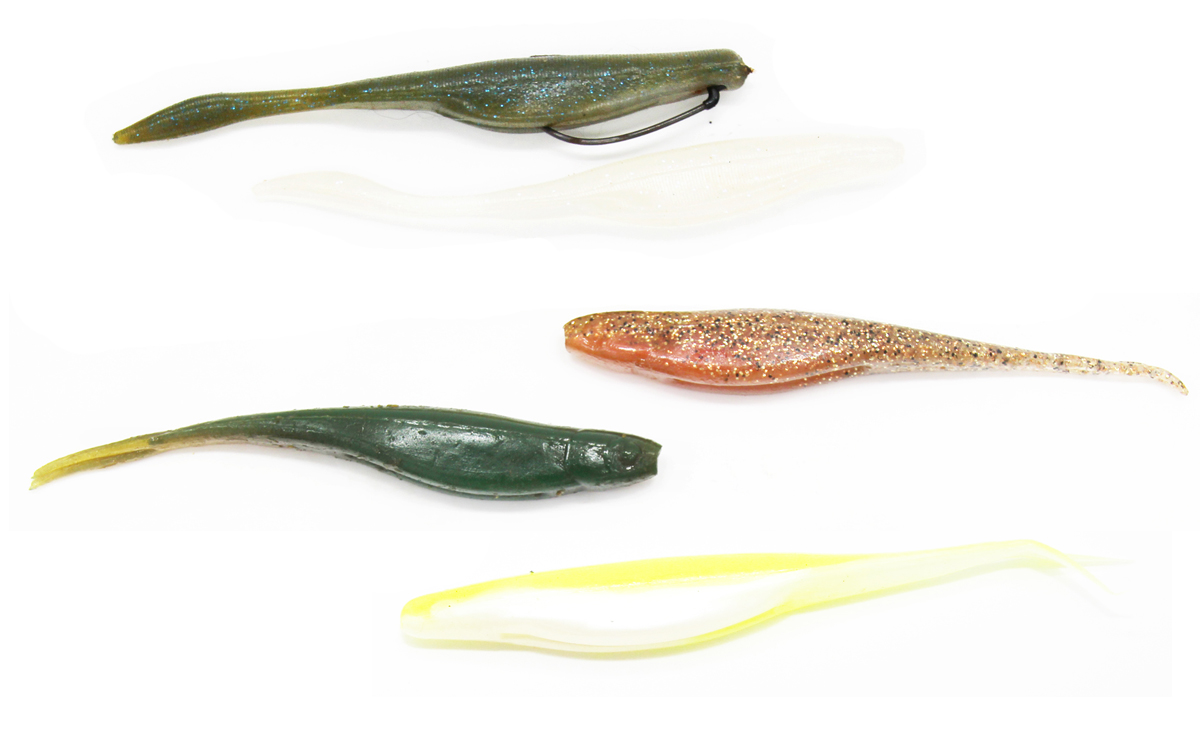
Select bright, visible colors for clear water. Bright, unnatural colors such as hot heads, clowns, hot pinks, chartreuse and copper oranges consistently outperform realistic, natural colors for me.
Shoal smallmouths can condition quickly, if concentrated heavily. Try a soft jerkbait after the initial window expires. I work mine as a slow-sinking glide bait, but it can be fished with the same cadence as a hard jerkbait to draw strikes. Soft minnows trigger reluctant strikes from wary and conditioned fish that your hard baits likely blew past fish moments ago. They will produce in these areas when a hard bait won’t.
Wherever you fish this month, seek out rock shoals and visit them repeatedly throughout the day, depending on sunlight penetration and wind direction. Once on the spot, closely follow your electronics and gauges. If the water is warming, stick around and camp on the spot for as long as necessary, especially if the spot is known to collect smallmouths each spring. They’ll appear and disappear throughout the afternoon.
If the sun beats down on it during midday, it’s going to attract smallmouths all month long, whether atop or along its edge.
Did you enjoy this post?
You can be among the first to get the latest info on where to go, what to use and how to use it!