
Add Snares to Increase Your Versatility This Season
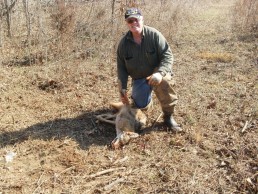
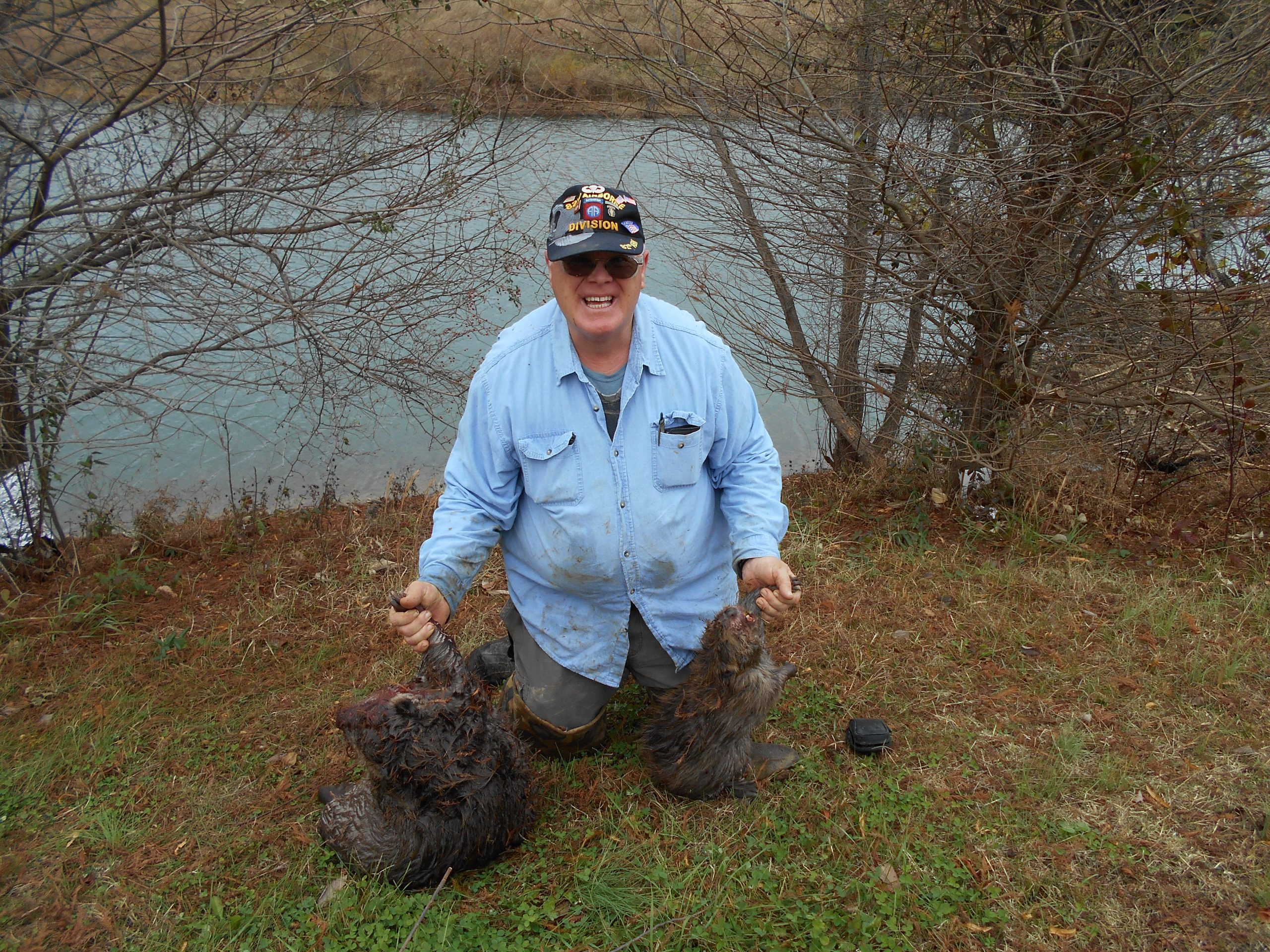
Snares are lightweight, compact, inexpensive, versatile tools for trappers educated in their use on a trapline. Snares can be used to take furbearers from muskrats and mink to coyotes, bobcats, beaver and otter. In most cases, the same snare can be used for most of animals pursued on the trapline. The only time a trapper may need specialized snares is for snaring mink and muskrats, and for otter. That’s because of the very-small-diameter cable required for snaring for mink and rats; and more swivels required for otter snares, due to their rolling when caught.
Trappers can even save a few dollars by buying snare components and assembling the snares themselves at home in their workshop. Note: Do not skimp on swivels; they can help prevent fur damage when used close to the loop and can lessen cable damage.
Snares can be working and waiting to catch furbearers when regular traps are frozen in mud, snow and ice (unless the snares are coated in ice as a result of an ice storm). Always check your state’s trapping regulations before purchasing or using snares on your trapline. My home state of Kentucky allows snares to be used, but the lock must be a one-piece design and no choke springs. I cannot use my preferred lock, which is a CAM-Lock, with teeth.
Snares can be used in any situation where a body-grip trap is used (within legal requirements), are lighter in weight, and cost less to purchase than most body-grip traps today.
Snares can be purchased in cable sizes from 1/32- to 1/8-inch and larger. Snares for mink and muskrats are typically 1/32- or 3/64-inch to 1/16-inch in diameter. Snares that are to be used for foxes, coons, bobcats, beavers, coyotes and otters normally have a cable size of 1/16- to 3/32-inch in diameter. My personal preference is 10- or 15-foot snares with an adjustable tie-off end in 1/16- or 5/64-inch cable size for most applications.
Two types of cable are used for snaring: 1×19 crucible cable, and 7×7 Galvanized Aircraft Cable. The 1×19 cable is a bit stiffer and holds a round loop better, especially in snares made from smaller-diameter cable, such as 1/16-inch cable or smaller. The 1×19-inch cable will typically be faster closing, especially if the snare is “loaded.” I have used both 1×19 and 7×7 cable with good success; however, I prefer the 1×19 cable for snares made from 1/16-inch cable, so I have a nice round loop.
Snare preparation begins by boiling new snares in dish detergent and water to remove the factory oil. I use Dawn dish detergent simply because I have found that it does a better job for oil removal than others. The next step is to pour off the water and rinse the snares thoroughly with a hose. Add more water to the pan, place the snares in it, then add baking soda to the water and boil it for 30 minutes to an hour. Perform this step twice and then hang the snares outside for a few months to be “aged” by the weather. They will turn dull grey after a time. Store snares in a clean, odor-free container until you plan to use them on the trapline. Always handle snares, once treated, with clean gloves to prevent odor contamination.
You can be among the first to get the latest info on where to go, what to use and how to use it!
All animals can be caught with snares. Use caution should where you set snares to avoid non-target catches, much the same as you would for body grip trap usage on dry land. You don’t want a dog or cat in your snare. These animals can be released from foot traps but may end up dead in a snare. So, use caution and common sense and do not set snares where livestock or pets could be caught! It’s not worth the price of a pelt or a black eye for trappers.
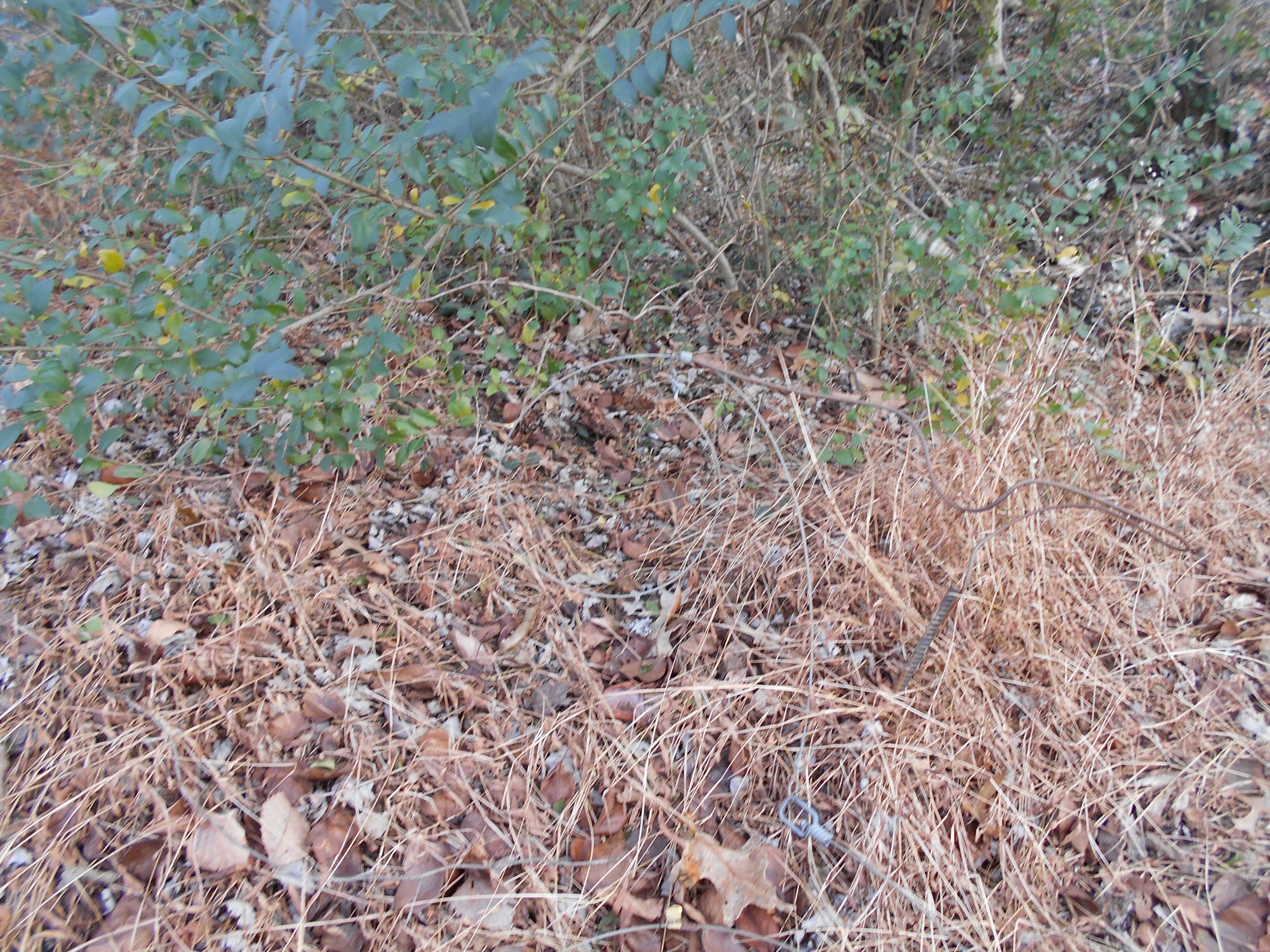
Snares are the ultimate “blind sets.” You catch animals in snares by placing them in trails, so the animal places the loop on its neck as it travels down the trail. Animals are used to encountering vines, small twigs and other minor obstacles in their everyday travel routes.
Always set the snare so the bottom of the loop is directly over the center of the trail and keep it perpendicular to the trail. Built correctly, snares can be used as target-specific devices, for specific animals, by using certain loop diameters, with the bottom of the loop set a specific distance off the ground. Animals can become “snare-shy” if they are used incorrectly, when they are used in more open areas, with no scent control, or after an animal chews their way out of a snare.
Snares can be set to avoid opossums and skunks by keeping an 8- to 9-inch loop, 8 to 9 inches off the ground, as an example for fox and bobcats. This loop size and distance off the ground will catch fox, bobcats, and bigger coons, but miss these non-target animals, which will pass under your snares and not get caught (in many cases). You may miss a lot of coyotes with a snare setup like this unless it’s set in really brushy terrain; or you can add coyote-specific snares down the same trail. Nothing is 100 percent, but snares that are set with a specific loop size and distance off the ground help avoid non-target species.
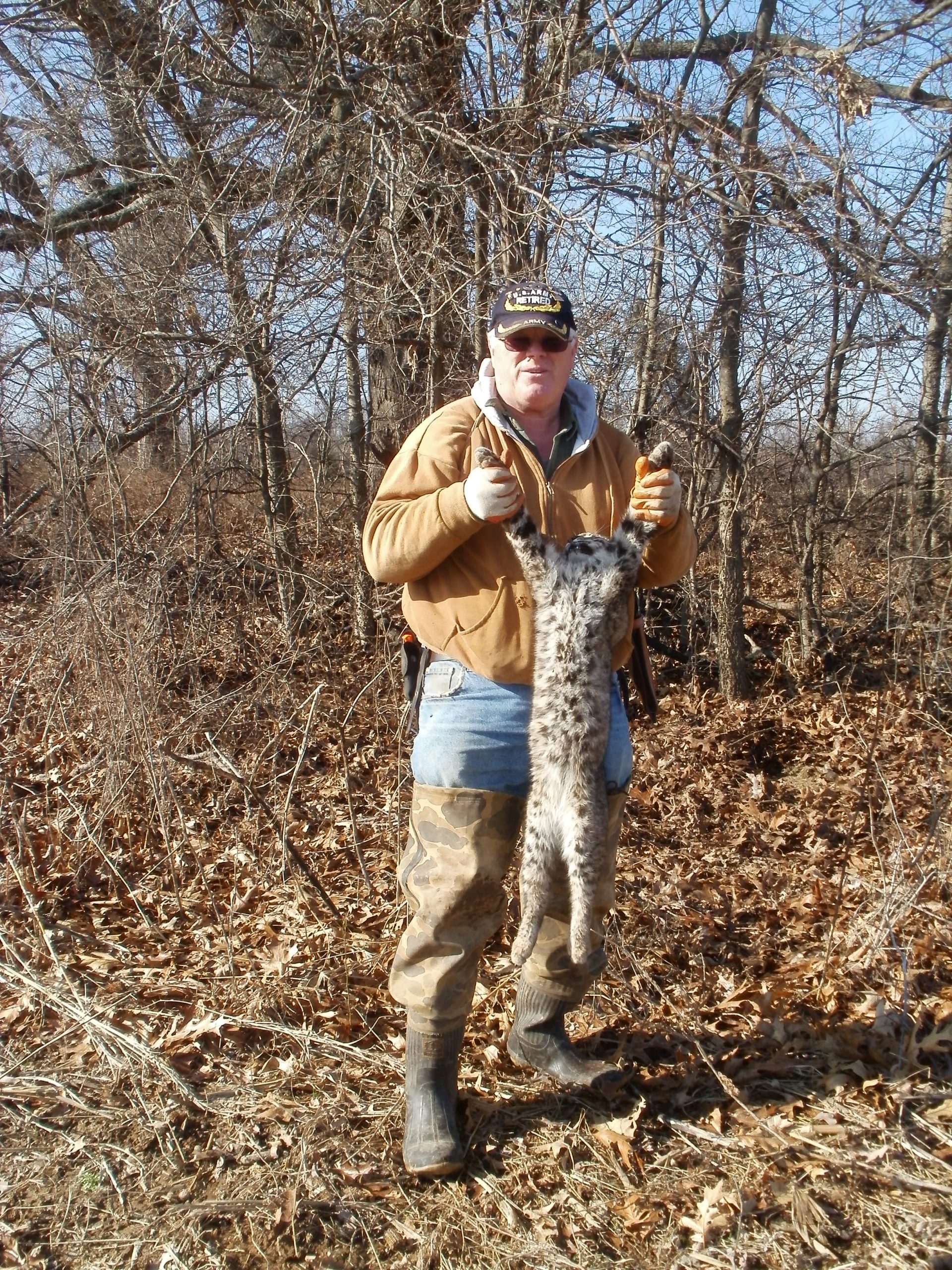
Snares can also be valuable assets for catching trap-shy coyotes, beaver and other animals when you encounter them on the trapline. With subtle blending and guiding, “loading” the snares with smaller-diameter cable (i.e. 1/16-inch diameter cable), in the right situation, with plenty of brush for the animal to fight and to tangle on in the immediate area—especially for coyotes); snares can pick up critters that are avoiding your trap sets when used correctly and with good scent control procedures, much like you would for deer hunting.
In an era where animals that are visible when caught or seen by the public, and expensive traps are hard to replace if stolen, snares are subtle, low-visibility tools that are not as readily seen by passersby. Where snares are set in many situations, the snare itself, and any snared animal, is in a brushy environment and less visible to the public. Snares can be rigged with a drowning cable so that animals such as beaver, otter, mink and muskrats are in deep water, away from sight.
Trappers must review each situation and determine what is necessary to catch an animal and prevent it from being seen (and possibly stolen) by others. Treated correctly, snares are difficult to see unless someone is searching for them, or an animal is caught in the snare. I’ve had situations where I’ve snared a coyote and did not realize that I’d caught anything until I couldn’t see the loop in the trail! The snare was long enough, and there was enough brush, that the song dog got out of sight, even for me.
Snares are low-cost, lightweight, and inexpensive assets tin any trapper’s arsenal, wherever these tools can be legally used on the trapline. They catch animals when and where traps can fail, due to weather conditions, and they require less maintenance than traps.\
Snares can be low-cost tools, but snares should never be left in the field when the season is over. Snare locations need to be identified by the trapper so that the snares can be picked up at the end of the season and animals are not caught out of season. It is the trapper’s responsibility to account for and retrieve his snares each season.
NOTE: I strongly encourage all “snaremen” to use deer stops and breakaway devices on all their land snares, so that accidental deer catches are released without harm. They only cost a few cents per snare and are well worth the extra money.

Did you enjoy this post?
You can be among the first to get the latest info on where to go, what to use and how to use it!
