
Universal Crankbait Trolling Tactics for Early-Season Walleyes
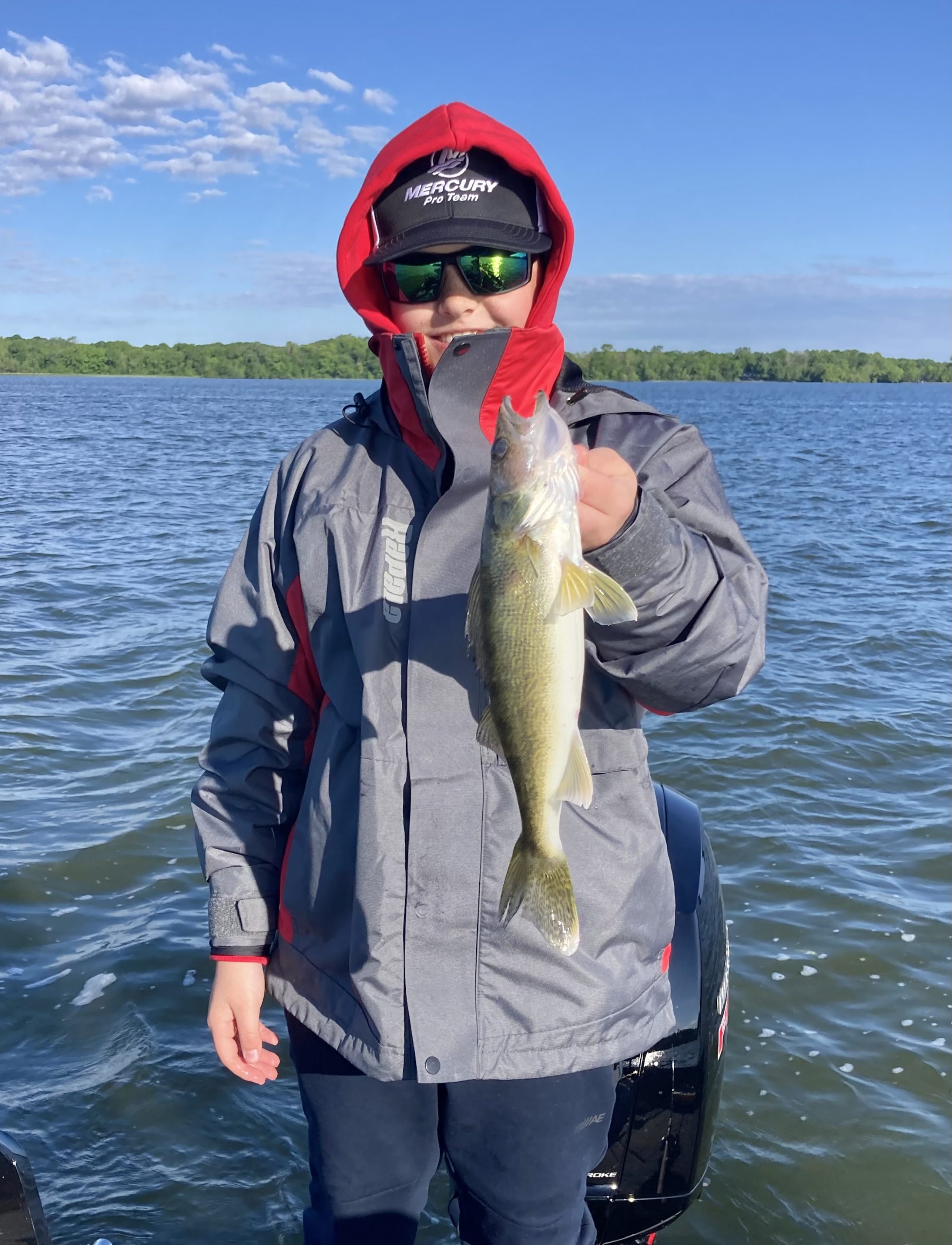
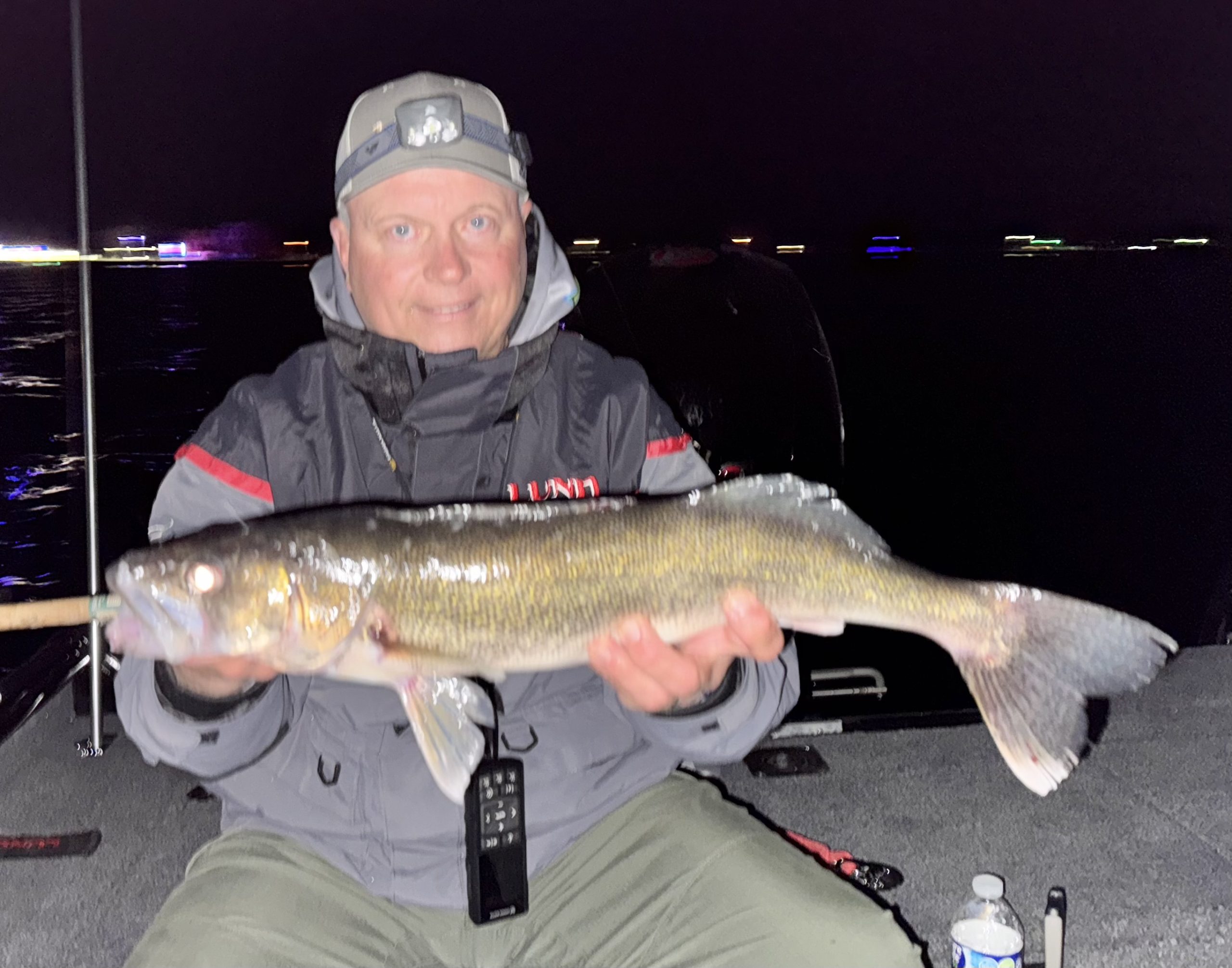
“There’s one! You take it Parker,” said my friend Cory. Parker grabbed the rod out of the rod holder and soon had a 21-inch walleye sliding into the net. “Nice start,” I observed.
We were trolling crankbaits on Minnesota’s Mille Lacs Lake at 12:45 am on the Minnesota fishing opener. We had started at midnight, trolling three different styles and colors of crankbaits in 10 to 12 feet of water along a rocky shoreline. It was a little cold this mid-May night, but the wind was not too bad, so we were optimistic. By 12:40, we had not had a bite, so we slid out to 12 to 14 feet deep, and sped our trolling speed up from 1.6 to 1.8 mph. That almost instantly led to the first fish.
We barely had the #7 Berkley Flicker Shad back out to join our other two baits when an 18-inch walleye hammered it. Cory slid this fish into the livewell and noted, “I think those two slight changes that we made might be the ticket.” Another eye on the same bait a few minutes later showed that one more change was needed: #7 Flicker Shads back on the other two lines as well.
By sunrise, we had caught 32 walleyes and put our 6 allowed fish in the livewell for some good eating. After sunrise, the bite slowed, and we were cold and ready for a hot breakfast. What a great start to the walleye season for the three of us!
May and early June in the upper Midwest and trolling crankbaits go hand-in-hand with catching walleyes on almost any lake that the Minnesota state fish swims in. On that opening night, we were on one of Minnesota’s walleye factories, pulling crankbaits at night along a rocky shoreline. We were using the Minn Kota Ulterra Quest on my Lund 1875 Impact XS to quietly pull our baits 60 feet or so behind the boat. We were using the cruise control and contour follow features of the Minn Kota linked to the Humminbird Explore 10 to effortlessly maintain our desired trolling pattern, with our hands in gloves or pockets to stay warm until a rod buckled over in the holder. These features also allowed us to stay on target and leave the other two lines back when we hooked a fish.
The power for this amazing system was provided by my Amped Outdoors 36V Lithium-Ion battery and charger system. Six hours of trolling in small waves by Mille Lacs standards barely nicked the power available from the Minn Kota/Humminbird/Amped Outdoors system.
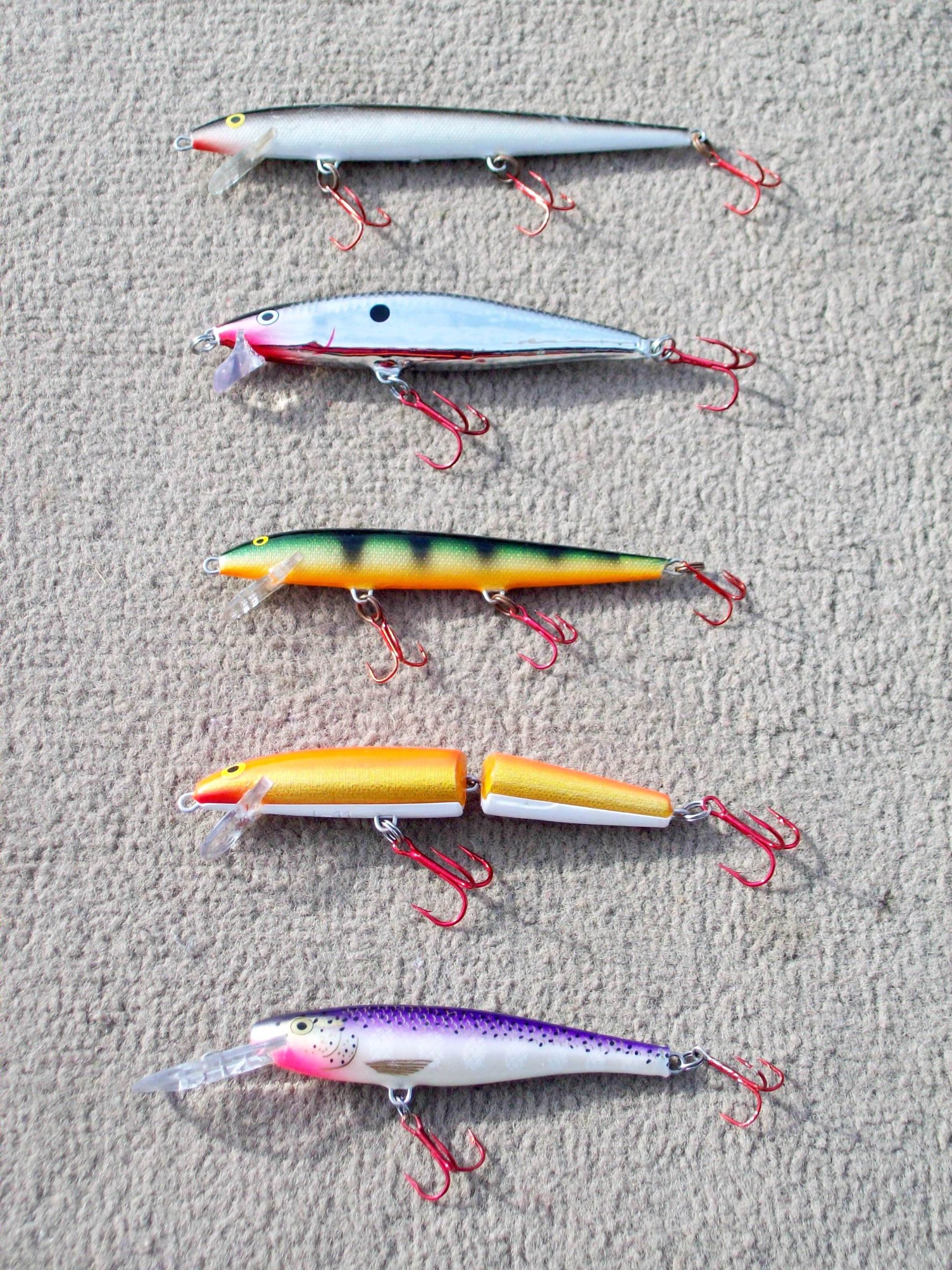
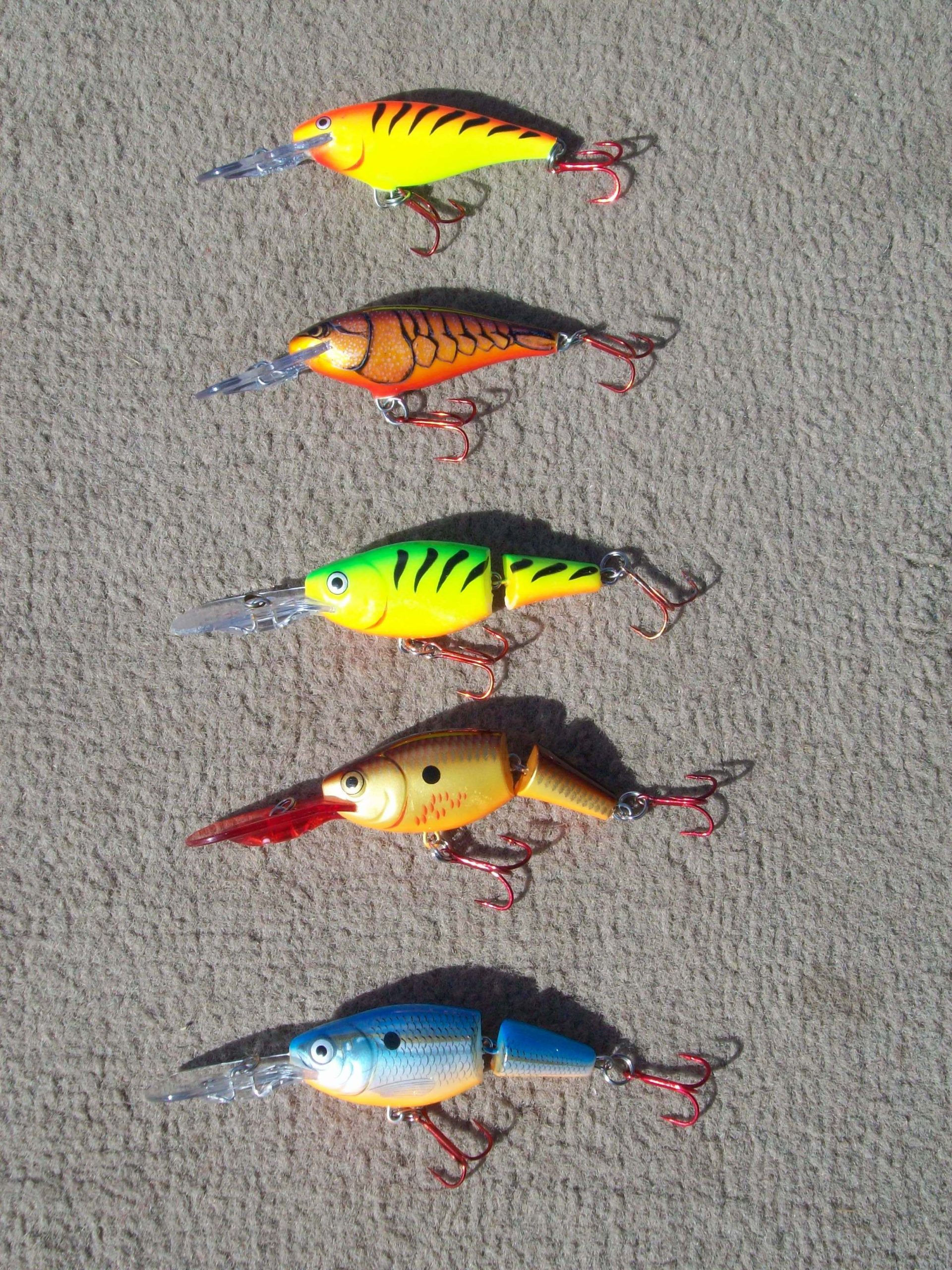
Fishing can be downright convenient and fun with the right equipment. We started out with two shad-shaped and one minnow-shaped bait, in three colors including bright and more subtle natural colors. The fish quickly showed us they wanted the #7 Flicker Shad that night, in either a perch or gold/orange color pattern. Once we dialed the baits in with the right speed and depth, we had a fish on most of the time.
A week later, my son, my dad and I were on a small prairie lake in south-central Minnesota. This lake has a maximum depth of 22 feet, is mostly soft bottom, and has a good weed line around most of it. We headed to this lake on a day that would be too windy for bigger lakes like Mille Lacs, but could lead to a pretty good walleye bite all morning on this smaller lake. We started trolling the windy side of the lake, with 2-foot waves slamming against a weed line that followed the shoreline and formed an inside turn before extending out along a point.
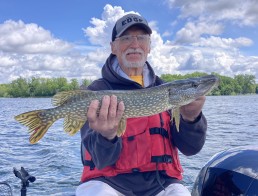
We put back a #7 Flicker Shad, a #7 Rapala Shad Rap, and a #7 Jointed Shad Rap to work just above bottom along the edge of the gradually-filling-in weed line in 12 feet of water. As we continued to catch walleyes and pike, we were able to shorten our trolling pass to about a 300-yard stretch from the tip of the point past the inside turn. That cloudy, windy morning, color didn’t matter, nor did the bait being jointed or not. Our first three baits all caught fish and stayed in the water all morning. We caught around a dozen 14- to 16-inch walleyes and boxed a fresh meal, and released about another dozen pike, one bass, and one crappie. The Amped-powered Minn Kota/Humminbird system came through like a champ again, battling the waves and keeping us on course and at the right speed.
These two trips, in the span of one week, demonstrate a very effective, early-season walleye strategy: trolling crankbaits relatively close to shore. In addition to rocky shoreline flats and near-shore weed lines in these two examples, this technique works on shoreline gravel and sand flats as well.
This technique could range from trolling shallow-running minnow baits like Rapala’s Original Floating Minnows, Husky Jerks, or X-Raps over 4- to 6-feet-deep sand and gravel flats, to trolling deeper, shad-style baits like the Shad Rap or Flicker Shad along developing weed lines, at or off the first main shoreline break in as much as 16 feet of water. Deeper lakes with clear water will likely see you fishing deeper than on shallower, more stained-water lakes. Wind and cloud conditions will also impact which flats, and where on the flats, that you will fish.
You can be among the first to get the latest info on where to go, what to use and how to use it!

The four main keys for this early-season trolling approach are:
First, find warmer water with baitfish activity near shoreline spawning areas.
Second, figure out the depth the fish are most abundant at. Depending on water temps and weather conditions, there could be walleyes up shallow, further out, and even hanging on or below the first major drop-off. Side-finding and Live Imaging sonar technologies can help identify areas fish are most concentrated in, or at least the depth they are scattered about in.
Third, match the right diving depth and action of lure as well as color. Diving depth can be figured out quickly, but you will have to experiment with the shape and action of your crankbaits, as well as the color, until the walleyes show you what they want.
Fourth, get the speed right. Generally, I am moving 1.5 to 1.8 mph with minnow baits, and 1.8 to 2.2 mph with shad baits. The colder the water, the slower I generally start out moving. I have had some good trips pulling a Rapala X-Rap over 4- to 5-foot sand flats at 1.2 mph, with subtle pulls forward of the bait every 10 seconds, allowing it to fall back to wobble along before the next pull forward. Again, you will have to experiment to see what the fish want.
For rods, reels, and line, I like a 7-foot to 7’6” medium-power, moderate-action baitcast rod paired with a baitcast reel spooled with 10-pound-test Berkley Fireline Crystal. My St. Croix/Abu Garcia combos in this length and action allow me to feel and see the swimming action of even subtle minnow baits, so I know if they get fouled with weeds; and provide plenty of power to fight and land walleyes and bonus pike and bass. The soft action also allows a fish to inhale the crankbait more before the rod loads up, giving you much more consistent hookups than you would get with a stiffer, faster-action rod. The thin diameter, no-stretch Fireline gets baits deeper without as much line out, and also helps telegraph the action of the lure up to the rod tip.
Set your drag a bit loose at first with the no-stretch line, and don’t set the hook hard, whether you are holding the rod or taking it out of a rod-holder. Just tighten up the line and start fighting the fish. You can tighten or loosen the drag as you fight the fish, depending on how big it is and how much pressure it is putting on.
When early-season walleye fishing gets started, pull out the crankbaits and cover some water to find and catch post-spawn walleyes. In Minnesota, this starts with the opening of our season in mid-May and continues through early June, depending on the lake and prevailing weather, weed growth, and water temps. It is a fun way to fish, and don’t let anyone tell you it is “simple” or boring. If you are doing it right, you are constantly making changes to your location, depth, speed, and baits until you get dialed in to a pattern that puts walleyes in the net.
What worked yesterday won’t always work again today, so you have to be active and flexible. The results will be worth it.

Did you enjoy this post?
You can be among the first to get the latest info on where to go, what to use and how to use it!