
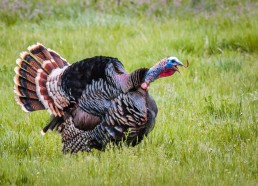
Preseason Scouting Lays the Groundwork
When it comes to turkey hunting, preseason scouting is often overlooked. Either that, or preseason scouting just turns into a lot of calling, or owl hooting. However, much like with other big game, a solid, preseason scouting plan is paramount to repeatable success.
Scouting is not only about finding a bird once or even knowing where that bird sleeps. It’s about understanding what that bird does from sunup to sundown, where it will be in the morning versus at noon when the temps rise, and what route it takes to get to the primary roosting area. When done right, preseason scouting can turn opening weekend from a guessing game to a well-calculated, laid-out plan.
Maps are your friends
The best scouting begins at home with topo maps, aerial imagery, and property boundaries. These tools help eliminate nonproductive areas and allow you to focus on more productive areas. This also maximizes your time on the ground as well. Look for combinations of hardwood ridges, open fields, creek bottoms, and saddles that connect any of these areas.
When studying an area, pay close attention to south- and east-facing slopes that green up before other areas, field edges and logging roads, any ridges that connect multiple drainages, and, like deer, look for natural funnels that are conducive to travel. This type of “surveying” helps build a framework, so when your boots hit the ground, you are moving with a purpose, versus just walking around.
Boots-on-the-ground scouting
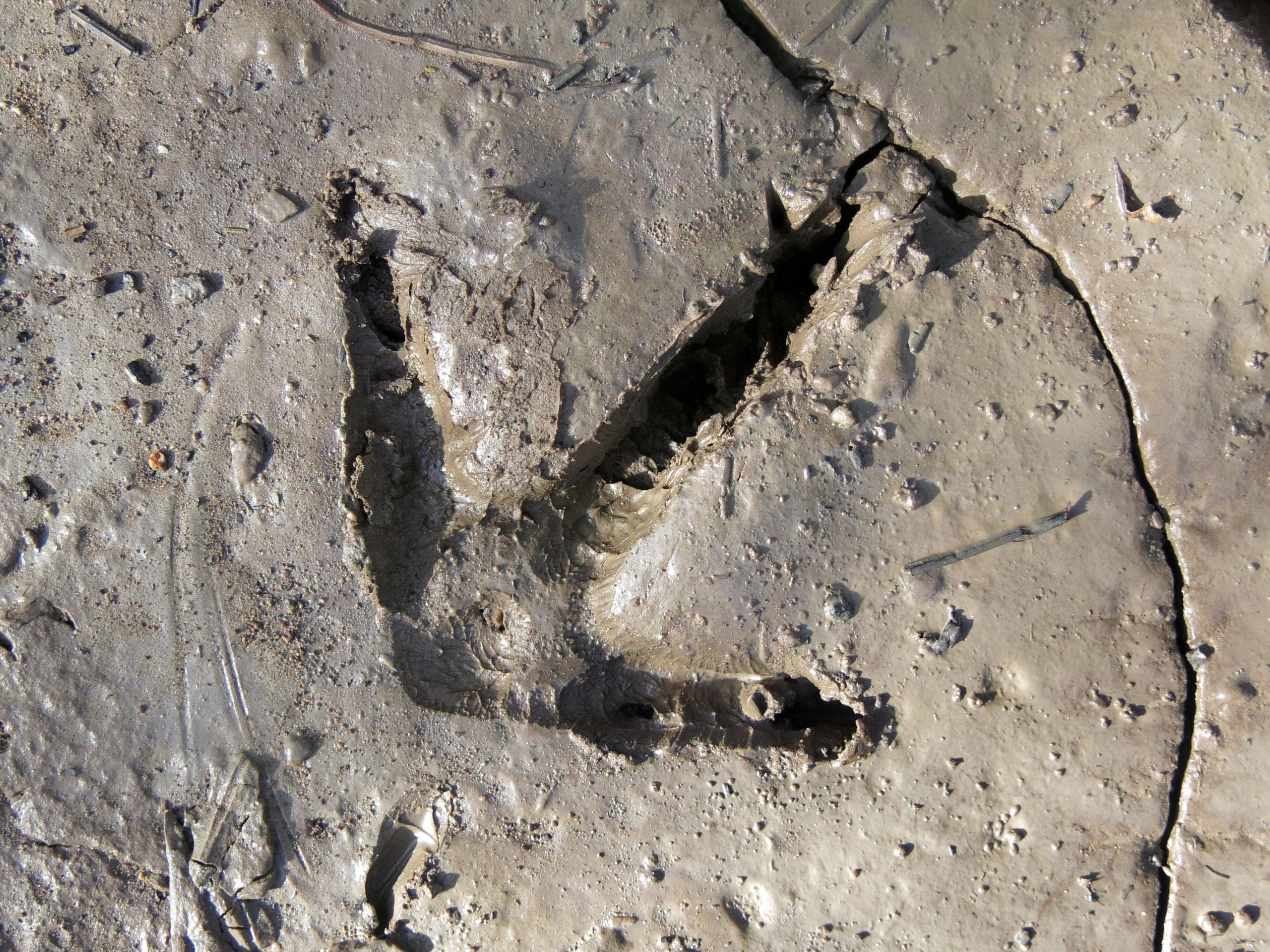
Once on the ground, your job is to confirm turkey use, not to chase, and certainly not to call. The best advice you will ever hear is to leave the calls home when scouting a new area. Look for tracks in soft ground near logging roads, creek beds, and field edges. This will tell not only if birds are using the area, but the approximate sizes of said birds.
Be on the lookout for droppings as they are also a crucial piece of the proverbial puzzle. Long, J-shaped droppings tend to indicate gobblers, whereas more rounded droppings suggest hens. Both should tell you something. A high concentration of droppings is indicative of a “loafing area” where the flocks spend their time during midday.
You can be among the first to get the latest info on where to go, what to use and how to use it!
Feather piles signal a strutting or dusting zone. Dust bowls are the shallow depressions in soft or sandy soils; these are excellent signs for an area’s consistent use and are often overlooked by hunters only focused on gobbling activities.
At some point on your scouting adventure, you will find roosting areas. Although critical, you must not put pressure on these areas and risk the birds relocating. Be watching for ground that appears whitewashed beneath stands of hardwoods, and feathers under specific trees. Roosting areas must provide the flock with both visibility and security, so ridge points, creek beds, and field edges are prime areas.
Once you locate a roost, back away and listen from a distance. You don’t need to see them fly up; you just need to hear them. Getting too close will educate the gobblers—or worse, make them move.
Understand daily travel patterns
Preseason scouting is about patterns, not single encounters. Turkeys tend to follow consistent routes between roosts, feeding areas, and strut zones. Look for worn paths through timber, along fence lines, or across saddles where terrain naturally funnels movement.
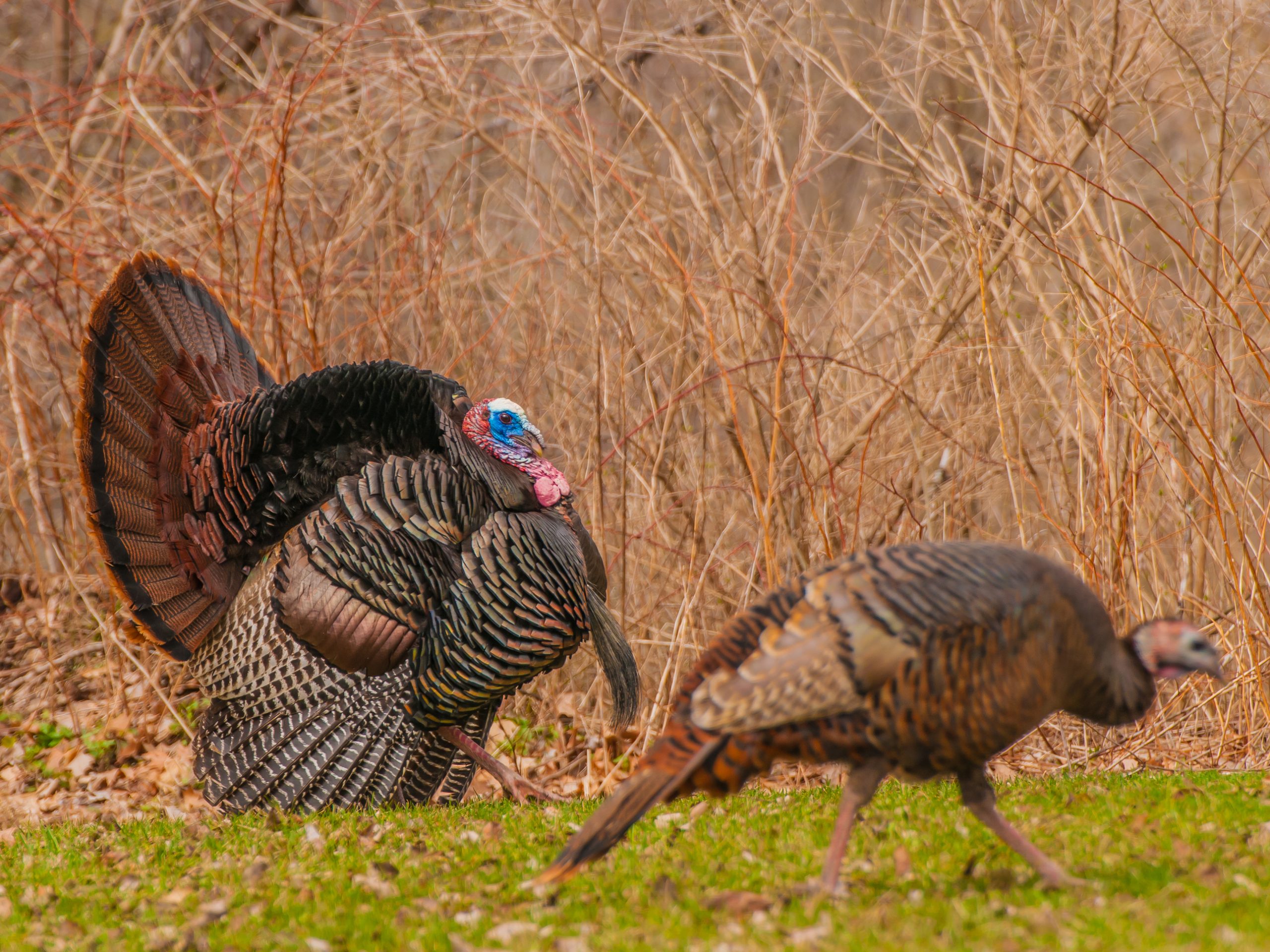
Strut zones are often located in open timber, field edges, or logging roads where gobblers have visibility and feel secure displaying. These areas may not be where birds spend the entire morning, but they are frequently revisited during mid-morning and late-morning hours. Don’t be afraid to use trail cameras to verify that you are correct in your location. Just don’t place them too close to a roosting area.
Calling during preseason scouting should be minimal, if at all, and intentional. Overcalling educates birds and can shift their patterns before the season even opens. Owl hoots and crow calls are the best option, if you must use calls. These elicit shock gobbles while not mimicking a competing gobbler.
Public land
One of the biggest mistakes hunters make is assuming preseason patterns will remain unchanged once the season opens. Increased human activity, calling pressure, and hunting disturbance quickly alter turkey behavior. This is the norm on public land and is the reason we look for multiple setup locations on each flock.
Preseason scouting is an investment with no guarantee of success. However, it is the most reliable way to tilt the scales in your favor. When the woods come alive next month in the Mid-South, success will not come by luck. Time spent scouting in March and Early April will pay dividends.
Did you enjoy this post?
You can be among the first to get the latest info on where to go, what to use and how to use it!
