
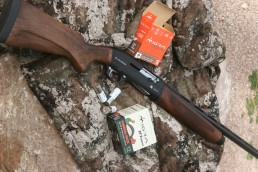
A New 12-Gauge Autoloader out of Turkey
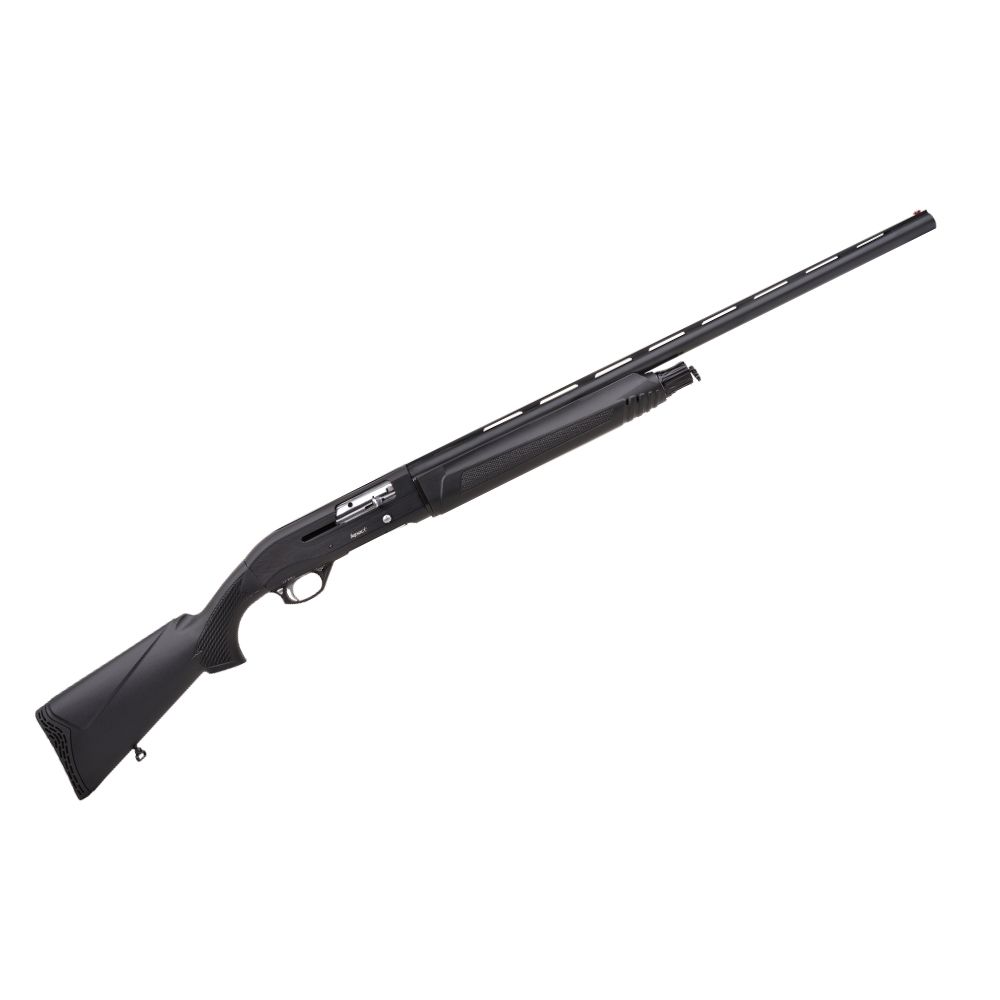
As sold through SAT Imports LLC in Scottsdale, Ariz., the new Adamson autoloader is a cast-off in terms of its basic design features. This shotgun takes on the look and feel of several American-built products, as well as additional upper-end, smooth-bore systems that, like this Turkish-built creation, come to us from across the pond.
The Adamson Impact was designed and built in a state-of-the-art factory in Turkey. Looking the gun over, it is obvious to me that someone was paying a whole lot of attention to what a number of other manufactures were offering the shooting public by way of autoloading shotguns.
Starting from the fore-end back, the gun takes on a very slim look and feel just ahead of the receiver. The fine-grained Turkish walnut and cleanly checkered pattern is almost an exact copy of a Benelli SBE’s forward furniture. I match the receiver to a Browning Gold or Winchester SX3.
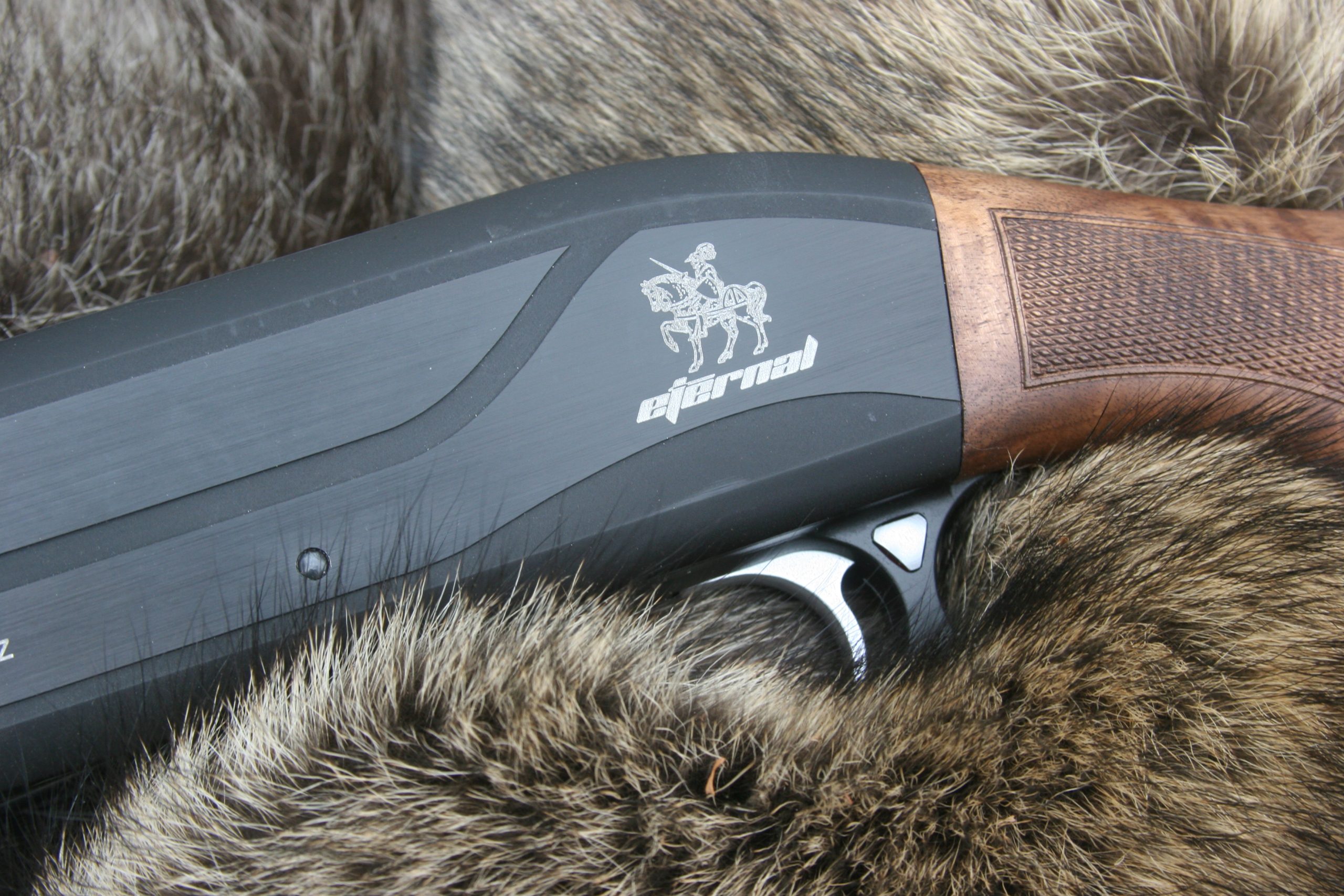
Control surfaces are well fitted, and extreme care has been taken to polish them clean, with no sharp edges. The bolt release button is right-side-forward and is large enough to function even with heavy, cold-weather gloves. A Benelli-like, auto-feed system is installed with the exact same control used on the Italian imported shotgun. A cross-bolt button safety is located just behind the trigger guard in, again, a right-hand operating configuration.
The raised, brightly polished side panels on the receiver carry a deep, old, Colt-style Royal bluing. The upper and lower ends of the receiver are dull-blued for reflection reduction when the gun is mounted in the firing position. For the most part, surface finishing is very good, with few design surface features that are exclusive to the guns brand name.
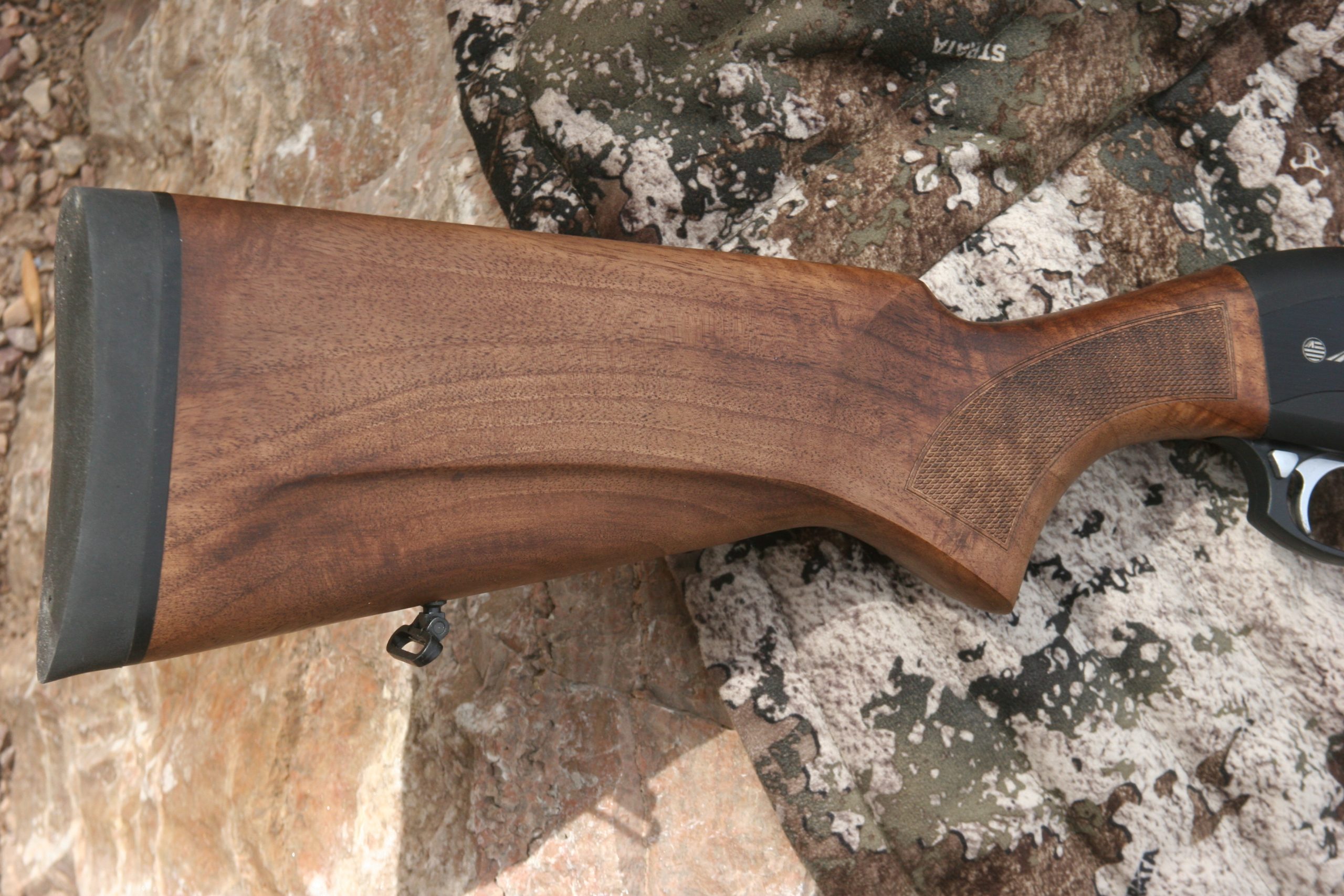
The butt stock is very well fitted to the receiver metal and retains some distinctive, sweeping line cuts that run from the receiver to the recoil pad. This wood pattern is unique to the brand, and I must say very creative and pleasant to look at when nothing is flying.
The end cap on the fore-end and butt stock retain sling swivels which are common on many shotguns built across the pond. This means a whole lot when I have to carry a bag of decoys, and my shotgun, to a stream bank location or lakefront marsh area. When field testing the shotgun, again, those features stood out as real and effective assists to me as a hunter.
In another area of basic receiver construction, the gun is very much like Remington’s 1100.
However, the bolt is heavy, chrome-plated, carries some major mass regarding size, and is pushed buy a valve gas system not unlike many others in use today. In this area, the snags can surface in that good looks only go so far. The key question here is, simply, “Can the gun shoot?”
Field test application
Test shooting started on a trip to South Dakota’s brand-new, state-of-the-art range system, including computer application targets to 1200 yards, on the 4000-acre shooting center located near Rapid City So. Dak. Much of my future testing will include this amazing, sportsmen-funded shooting center.
From a 100-yard rifle zero bench on a no-charge section of the range, I proceeded to run a basic function test using MIGRA, and Federal heavy game loads. The high-performance loads would see field applications on a local ranch that I was doing some pest and predator control work on at the time. In general, I do not like fake test setups, and as such, much preferred real-world scenarios. When undertaken in this way. more than one gun has not made the grade.
Shooting MIGRA 2 ¾-inch, 4/6 duplex style loads in lead shot at a payload weight of 1 1/4 ounce, the gun was being prepped for pheasant and grouse hunting on the South Dakota open prairie, as well as some general varmint reduction work n a local cattle ranch. However, even the best-made plans can at times go astray.
Shooting MIGRA field loads about halfway across the function test, the butt stock worked loose from the receiver anchor point. In terms of function, the gun had been running like a top, and everything regarding the test was coming up in clover. There were no feed issues, and general controls set up very much like the copy of the Benelli system of magazine cut off control and elevator feed had performed nicely. However, with the loose butt stock and a fear of damaging it, as in cracking the nickel-featured walnut wood due to recoil, I ended the live fire sequence at that point of the testing. Lacking an extended tool and even time allotted, the gun went silent for the remainder of the review.
You can be among the first to get the latest info on where to go, what to use and how to use it!
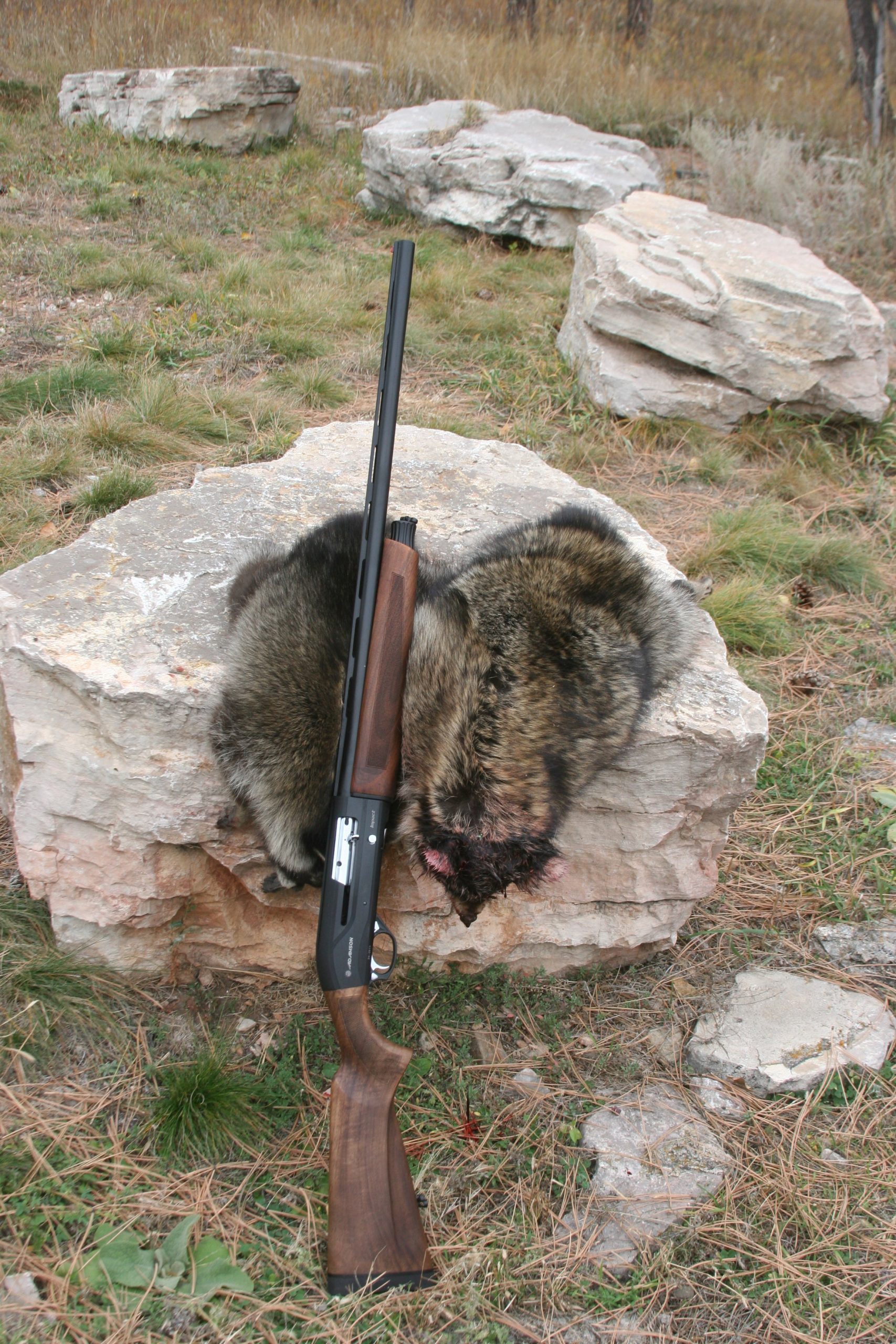
However, by getting some of the previous field time with the Impact 12-gauge, being that it was called up for previously indicated work against troublesome raccoons, I had been able to gain some real-time information regarding the shotgun’s performance level.
What the loose butt stock did do was generate a new issue, being where to go and what to do regarding warranty coverage on these imported shotguns? The test gun came to me lacking any paperwork whatsoever. I also did not get very far trying to line up someone who could answer these questions. Therefore, buying any imported firearm that is not backed by American brand names, like those offed by Mossberg, for example (Silver Reserve), will require some research through your dealer, or import agency handling the retail level of the indicated gun.
Where the general price of an autoloading shot gun with an American brand label running close to or at $1,000 or more, the Turkish-built Impact is selling for about 1/4th of that figure. What I am getting at here is, doing some legwork or firing up a computer could save the buyer one pile of hard-earned money. That stated, however, at the time of this review, American government regulating tariffs could factor into any price regarding products coming across the pond.
Limited pattern work indicated that the shotgun patterned true to point with some slight amount of built-in elevation. At no time did the system fail; however, in normal testing, I do run a great variety of ammunition through test guns. This test, therefore, has been based on standard-pressure field loads versus a change to target-grade, lower-pressure products. With a heavy return spring and an overbuilt, massive bolt assembly, I tend to think the gun is best used with field grade hunting loads.
Without question, this shotgun is heavy at 7 1/2 pounds dry weight (empty).
Built from all-steel construction materials right down to the vent rib, the package carry some mass. It would seem as though Turkey’s gun builders have as yet not moved over toward as much carbon fiber and alloy metals as the western world, as well as some of European countries, have of late.
As such, by way of pure steel construction, I observed no issues with the shotgun’s function whatsoever. The vent rib is sturdy, nicely made, and uses a red bead at the muzzle. The shotgun comes with five, Beretta-style, forward threaded choke tubes giving the hunter/shooter a wide range of options regarding payload control downrange.
Even though heavy, the gun points well, but I feel is best applied to waterfowl hunting or other static gunning events. However, it could be my age showing up just a bit here; as a young man, I carried a double 10-gauge Richland far and wide.
With service or repair points located, I tend to believe this shotgun is a good buy in terms of what kind of cash the shooter needs to lay down on the gun counter.
At a time when a dollar is not going as far as it once did, taking a hard look at this autoloader is not the worst idea shooters could come up with of late.

Did you enjoy this post?
You can be among the first to get the latest info on where to go, what to use and how to use it!