
Trapping Sheds
Looking for, finding, and collecting shed antlers has become one of the most popular activities among not only hunters, but all segments of the population. Lots of folks are now spending late winter days looking to bring home a pile of discarded whitetail deer antlers.
There is no limit to the uses for these shed antlers. The creativity of some of these decorative pieces is truly amazing. I have seen them made into everything from centerpieces to lamps to door handles. Others just like to pile them up and make their piles bigger each year. I have seen some very attractive antler coat racks, as well. Either way, the mice and squirrels are getting fewer and fewer antler treats each season.
Before doing research for this article, the only sheds I collected were ones I accidentally stumbled over while turkey and mushroom hunting. I have a modest collection of various sizes. I also have other items in my collection, such as deer skulls and skulls with the antlers still attached (deadheads). There are lots of surprising things to find on the forest floor if you are looking for them on purpose.
There are a few keys to learn to make shed hunting more than just luck. Understanding that antlers loosen on a buck’s head before they drop is a fact that can center your attention on specific places and terrains. I like to look first in places where major feeding trails cross any or all of the following: creeks, ditches, fence lines and roads. These are all spots that can cause a buck to jump. Quite often loose antlers are jarred and fall off as the deer hits the ground after a jump.
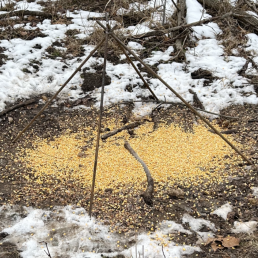
I now have become a very serious shed hunter. My friend Steve Lewis and I began building “antler traps” a couple of decades ago. These are made most often of rebar or wooden posts. A small Teepee is constructed, and corn is placed on the ground inside. As the buck’s head moves in and out of this structure getting to the corn, antlers are knocked off.
One important thing to think about before you build an antler trap is whether this can be considered baiting? Check and double check the regulations in your area. The other drawback of this plan is that every animal in the timber will want the corn you put in your trap. Rebaiting is a constant effort.
You can be among the first to get the latest info on where to go, what to use and how to use it!
As you consider building an antler trap, one of the first things to consider is where to put it. For optimal chances of successful shed trapping, put out as many as possible on heavily used winter trails and near food sources. Remember to check them regularly. Better yet, place trail cameras on your traps. This way you can keep a current inventory of the sheds as they are knocked off at each location.
If constructed correctly, which I highly recommend, your shed traps will be extremely portable. You can move them throughout the winter to try to get more candidates for a deposit. It also makes them easier to collect in the spring to store until needed next winter.
The bottom line to finding shed antlers is that you must go out into deer country at the right time of year to find them. You can intentionally find many more deer season leftovers than you will by waiting to accidentally stumble across them.
And always remember to look for shed antlers during turkey season. They could be lying right next to the mushrooms that you are also searching for.
If you enjoy spending time in the outdoors, check out the articles in every issue of MidWest Outdoors. Subscribe on our website.
MWO
SHARE THIS POST
Did you enjoy this post?
You can be among the first to get the latest info on where to go, what to use and how to use it!