
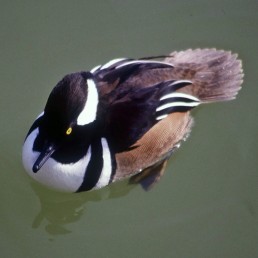
The Early Pursuit of Webfoots
We waterfowl hunters are a strange breed. We get up in the middle of the night, drive countless miles to set out decoys in the dark. Then we sit or stand, peering through puffy, sleep deprived eyes at the horizon to see dark spots in the sky.
As the dark sky begins to show signs of awakening with orange streaks, the first flight of birds appear. Gone are the monotony, cold, and sleepiness as we prepare to begin the morning’s shoot.
So it is during teal season, the first of the waterfowl seasons. Mosquitos buzz around your head and feast on your flesh. Teal and the other small ducks are the first to migrate.
Teal are like ill-mannered relatives. You do not know when they will arrive, or even if they will arrive in time for the season. All conditions must be perfect. As they arrive, the birds may spot another location that is more to their liking and drop in for the duration. Then for some unknown reason, they may just pick up and leave.
Puddle ducks, teal frequent freshwater sloughs and rivers. They feed by dipping to get vegetable matter. Once discovered, they spring into flight.
The call of a teal is like that of a mallard in pattern, but much higher in pitch. Hunters give a blue wing teal call during the season, as the blue wings are the most likely of the two species to be present.
Teal will work quietly, which requires callers to use a high ball only to get their attention, and let them work in noiselessly. If they are not responding, try a very fast, but soft, feeding chuckle as they close. This will encourage them to drop right into range.
You can be among the first to get the latest info on where to go, what to use and how to use it!
As for decoys, some teal dekes set in a few groups of three to five provide all the “confidence” they seem to need. One can use about 15 teal decoys with a few mallards or pintails for color. Even a bluebill will get their attention. Teal do not like to fly over other ducks when they are landing. They seem easily upset. Leave an open fly and kill zone between decoy spreads.
If the spread is working, the teal will drop in low, hard, and fast. If that is not happening, then something needs adjustment in the spread. Teal do not land and then float into a spread. They will be on the water immediately and take off the same.
One way to get teal to return to the spread is to use a teal whistle to encourage their curiosity. They will turn and take another look at the location. Use care in calling teal. A little calling goes a long way. Just use it to let them know you are present.
Use natural materials for your blind and stay hidden. Listen carefully, as usually you will hear the little rascals before you see them. Be prepared to shoot quickly. Practice early before the season with clay targets, either the 90 mm or 60 mm size. Learn to shoot fast at crossing targets.
Getting out early in the pre-dawn light is a pain, but the dividends of great scenery and an early season for duck hunters make it worth the effort.
For more hunting insight from the pros who know, check out the next issue of MidWest Outdoors, available by subscribing on our website.
MWO
SHARE THIS POST
Did you enjoy this post?
You can be among the first to get the latest info on where to go, what to use and how to use it!