
Are the Ducks Really Being Short Stopped?
Well, as Yogi Berra once famously said, “It’s déjà vu all over again.” I don’t remember what he was referring to, but when it comes to waterfowl migrations, it certainly does apply.
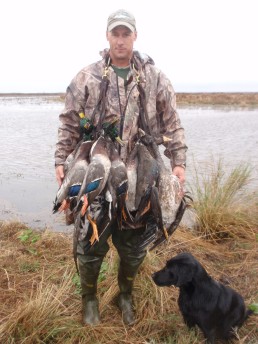
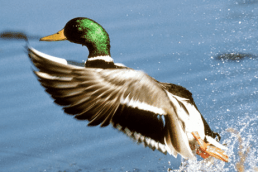
A quick scroll through Facebook on your computer will acquaint you with a good ole boy down in Louisiana who’s just moaning and groaning because the ducks just aren’t piling into his local honey hole the way they used to. We’ll call him “John.” By “ducks,” he means mallard ducks, because teal and wood ducks, and a smattering of other sorts, are still abundant. But he doesn’t want “little” ducks; he wants big, chubby, greenheads. I’ll tell you why presently.
Here, in a nutshell, is what all the hullaballoo is about. For many centuries, driven by frigid winter winds, most of North America’s waterfowl fled south, ending up along the northern coast of the Gulf of Mexico. (Or is it the Gulf of America?”) Louisiana was a prime wintering spot for these birds, and duck hunting became a way of life for many of the local residents. Generation after generation passed the tradition along, and the region became famous for this special natural resource.
The similarity between Gulf Coast Louisiana today and southern Illinois in the late 1990s is unmistakable. There are three huge waterfowl refuges at Illinois’ southern tip that hosted hundreds of thousands of wintering Canada geese each year. The local economy and society were woven into the goose migration. There were two seasons there: Hunting season… and getting ready for hunting season.
But a while back, the geese stopped coming. Instead, they piled up in northern Illinois, feasting on endless fields of waste grain, and roosting in retention ponds, cemeteries, corporate campuses, soccer fields, and numerous other refuge-like areas. They are still there, and the hunting is great.
I believe the main reason both the ducks and the geese changed their well-established migratory patterns was climate change, notably warmer winters. Waterfowl move south in fall pushed by harsh weather in increments until they find open water, food, and security, and there they stay until the next storm comes along. If their water doesn’t freeze, and snow doesn’t cover up their food, those birds aren’t going anywhere. Why would they?
You can be among the first to get the latest info on where to go, what to use and how to use it!
And now, with the geese gone from southern Illinois for over 25 years, and the ducks abandoning the Far South, southern hunters are looking for reasons, just as their northern counterparts did many years ago.
Of course, climate change has changed the waterfowl’s habitat, and there is nothing to be done about that. So, some Louisiana hunters have desperately come to the conclusion that the migration is being “short-stopped” by massive flooding of corn fields in Missouri by hunting clubs and guides. Well, that dog just won’t hunt, because while flooded corn will attract ducks, it surely won’t keep them from flying away, especially if they meet gunfire every time they try to get to the corn. The birds will simply find a safer place to feed; they always do.
So now, faced with the prospect of no ducks due to climate change, which they can’t control, they are attempting to shift the blame to other duck hunters. They even have enlisted a U.S. Senator to introduce legislation banning hunting over flooded corn. How about flooded timber?
I don’t know where this is headed, but judging by what happened in Illinois under similar circumstances, after several public hearings, waterfowl biologists simply told the hunting club owners, “The geese are gone. Get over it.”
Oh, yeah, I promised to tell you why “John” wants big ducks. He owns a commercial duck hunting club, and his customers want mallards. For him, it’s not about the ducks; it’s about the bucks.
Did you enjoy this post?
You can be among the first to get the latest info on where to go, what to use and how to use it!