

Understanding Bear Behavior
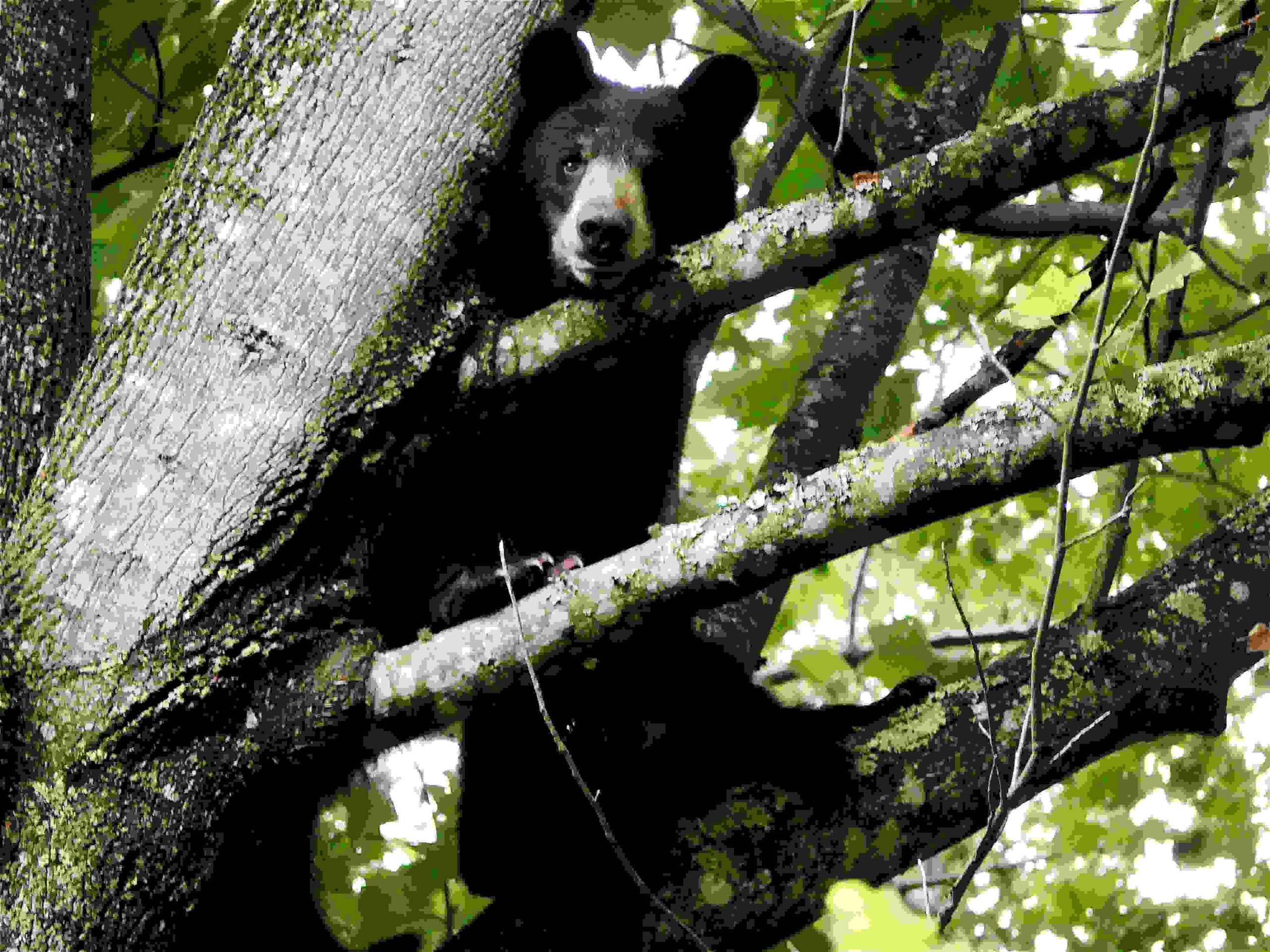
A great portion of the “hills and hollers” here in Tennessee and Kentucky offer promises of adventure, tranquility, and really remote camping, fishing, and hunting. Along with those adventures comes something with its own set of wilderness rules: the black bear. Bears are one of the main attractions in the Great Smoky Mountains National Park, and they draw quite a crowd during summer and fall.
The bears in southern Appalachia are perhaps the most “civilized” bears in the country. By civilized, I mean not afraid of people. We have all seen videos of tourists feeding these ‘friendly’ bears. After years of YouTube and Instagram videos, they have been deemed friendly; that is far from the truth.
Bears are not friendly, but they are extremely intelligent, apex predators. They have learned that people nearly always have something good to eat, and that they are willing to give food away. Therefore, a solid understanding of bear behavior and preventive measures are paramount to adventurous outdoor enthusiasts.
Bear behavior is pretty straightforward. They are generally shy and prefer to avoid human interactions. Food will override shyness, however, and bring animals in dangerously close proximity to humans. At that point, a wrong move can trigger defensive behavior from a bear; also at that point, you’re probably too close to do anything about it.
Other things can put a bear into a defensive posture. For example, if they are defending what they deem to be a food source, such as a cooler full of picnic snacks. A bear with cubs can be extremely dangerous, as can be a surprised bear. In short, a bear is always dangerous when it’s close to humans, so make it a habit to not get close to them when possible.
You can do numerous things to simply prevent close contact with a bear. Preventive measures keep you from needing to take defensive measures. Or, as an old football coach used to say, “The best defense is a good offense.” In this case, prevention is your offense.
You can be among the first to get the latest info on where to go, what to use and how to use it!
One of the simplest means of bear prevention is noise. As stated earlier, a bear is a shy animal and prefers not to interact with humans. If you know you’re in bear country, talk loudly, sing, clap your hands—anything that will make a nearby bear aware of your presence. A hiker’s bell attached to you or your pack is a great start. Hiking or camping in groups can also be effective, as bears generally avoid groups of humans that they encounter in the wild. Whenever possible, stick to established trails, as the bears already know that humans use these trails and tend to stay a safe distance from them.
Finally, and oddly enough, the easiest to do, and most common to not do, is proper food storage. Food is the one thing guaranteed to make a bear come close to you. When in bear country, the how and where of food storage is crucial. All food should be kept in closed, preferably bear-resistant containers when possible, and all food waste should be removed from campsites. If you’re backpacking into the wild, hang your food from a tree branch high enough to keep it away from bears; and far enough from where you’re sleeping to keep the bears away from you.
Never keep food should in a tent with you! A tent wall won’t stop a bear that smells the honey bun you had for a snack.
There are several non-lethal options for bear defense. Most lethal options are not legal in the parks, so we will pass on discussing them.
The first is bear spray—basically pepper spray on steroids designed for use against bears. It is a great idea to buy two canisters and use one to practice with. Second are air horns and whistles. These are good against black bears, as they will generally break contact upon loud noise. Third, mentioned earlier, are bear bells. These simply serve as a noise warning to let bears know you are in the area.
The best way to avoid bear issues is simply to avoid bears. Never feed them, store your food properly, and if you encounter a bear, simply back away slowly and go around. Most of the bears you encounter don’t want to deal with you any more than you want to deal with them.


Did you enjoy this post?
You can be among the first to get the latest info on where to go, what to use and how to use it!
