

Getting a Grip on Bowhunting Releases
Modern bowhunters have a plethora of gear choices, but beyond a bow, the release aid is most crucial. Over the past 25 years, release aid technology has evolved significantly, giving bowhunters more options than ever before. Today’s market consists of three main styles: The wrist strap release, the thumb button release, and the back tension or hinge style release. Each has pros and cons, and a specific application where it shines. The wrong release can hurt your “CCA”—consistency, confidence, and accuracy. The right release can improve shot execution, and make shooting your bow an even more satisfying experience. Understanding of the pros and cons of each style is imperative before deciding which one is best for your shooting style.
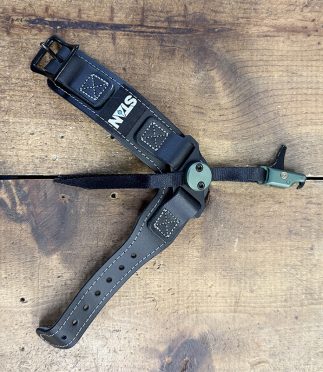 Wrist strap releases
The wrist strap release, often referred to as an index finger release, is easily the most common among bowhunters. It straps around your wrist and uses a trigger to activate. For a majority of bowhunters, this is what they started with, and there is a reason its popularity has never faltered.
Pros of wrist strap releases
The largest draws of the wrist style release are simplicity and familiarity. The fact that it has a trigger and is activated by a bowhunter’s trigger finger makes it both simple and familiar to all hunters. If we are being honest, most people can shoot one to an acceptable level in just a single session. Another reason this is the most popular release in the country is security. Once it is strapped to your wrist, it becomes virtually impossible to lose or drop. This one, little thing means more than many bowhunters realize. A couple byproducts of having a true trigger are that these releases are very easy to use with gloves, and bowhunters can draw and execute a shot pretty quickly with this release.
Cons of wrist strap releases
The downside is that wrist releases often encourage poor shooting habits. Because the trigger resembles a firearm trigger, many shooters develop “trigger punching” tendencies. Instead of executing a controlled surprise release, they slap the trigger the instant the sight pin touches the target. Over enough time, this can lead to target panic for just about any bowhunter.
The wrist release can also create a torque issue when gripped improperly, or even just gripped too tightly. Even the smallest inconsistencies can, and will, impact arrow flight. The main issue among bowhunters is precision. Many believe that a thumb for hinge release offers more for technical shooting. Lastly, a contingent of bowhunters don’t like the release being permanently attached to themselves for fear of it snagging on brush, clothing, and possible pack straps.
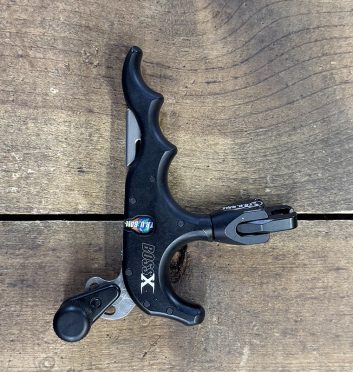 Thumb button releases
In the last decade, the thumb button, or just “button” release, has exploded in use among serious bowhunters. The button was “born” in the target archery world. Today, they are seen everywhere from the whitetail woods to elk camp. The main difference is that a button release is activated by the bowhunter’s thumb versus the trigger finger.
The pros of shooting a button
The main “pro” of a button is better shot execution. The thumb button promotes much better mechanics and cleaner shot execution than most wrist releases. Because the release is handheld, most shooters develop a more relaxed grip, and that improves anchor point consistency.
The button release also encourages shooters, through natural mechanics, to pull through the shot similar to back tension, versus simply punching a trigger. This reduces target panic and improves a bowhunter’s longer-range precision.
Another huge advantage is adjustability. Most quality button releases allow a shooter to make detailed adjustments to trigger travel tension and travel customizations. This allows bowhunters to drill down and match their shooting style.
Many bowhunters also appreciate the compact feel of a thumb release. Nothing hangs from the wrist, and the anchor point often feels more repeatable. For bowhunters who practice heavily during the offseason or compete in 3D archery, thumb releases often bridge the gap between target-level precision and hunting functionality.
Cons of thumb button releases
The biggest con, or drawback, is the learning curve. Bowhunters accustomed to wrist releases may initially struggle with anchor position, trigger activation, or accidental firing.
Thumb releases are also easier to drop. Unlike a wrist release, a handheld release can fall from a pocket, stand, or saddle. Many hunters now use release holsters or lanyards to address this issue.
Another potential drawback is that cold weather can also become problematic. Manipulating a small thumb trigger while wearing gloves is not always easy.
You can be among the first to get the latest info on where to go, what to use and how to use it!
The final con or concern is consistency under pressure. Some hunters revert to punching the thumb trigger during high-adrenaline moments, especially on close-range shots. While thumb releases can help cure target panic, they are not immune to it.
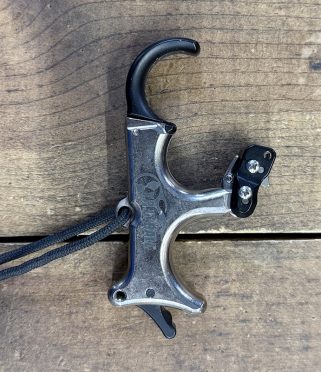 Back tension releases
, often called hinge releases, are designed to fire through rotational movement, rather than a trigger press. The release activates as the shooter increases pulling pressure, and rotates the release through proper back tension mechanics. Among experienced archers, these releases are often viewed as the ultimate tool for developing perfect shot execution. Many bowhunters shy from these style releases, and they want the flexibility of exact shot timing.
Pros of back tension releases
The greatest advantage is improved shooting form. A hinge release forces shooters to execute the shot correctly. Proper back tension, alignment, and follow-through become mandatory. Also, because there is no trigger to punch, many shooters experience significant improvement in target panic symptoms.
Back tension releases often produce exceptionally clean arrow flight. The shot breaks smoothly with minimal anticipation or hand movement.
For serious archers focused on maximum accuracy, few tools improve shot mechanics like a hinge release. Many competitive target shooters train extensively with back tension releases, specifically because they expose flaws in shooting form so effectively.
Cons of back tension releases
Despite their benefits, hinge releases can be difficult for many hunters to use in actual hunting situations.
The learning curve is steep. Improper use can lead to accidental discharges, especially during the draw cycle. New users frequently experience “surprise shots” before becoming comfortable. The first time that I used a hinge, the range looked like a crime scene! The release went off as I was drawing the bow, then I hit myself in the mouth and nose with a handful of metal release.
In fast-paced hunting encounters, back tension releases may feel too slow or too deliberate. When a bull elk steps into an opening for only a few seconds, some hunters prefer the speed and certainty of a trigger-style release. Treestand hunting can also expose challenges. Awkward body positioning, steep angles, or elevated heart rates can make precise hinge execution difficult.
Another issue is mental confidence. Some hunters never fully trust a hinge release in high-pressure situations involving live animals.
There is no universally perfect release aid. The best choice depends on shooting style, experience level, hunting conditions, and personal preference. Releases, like bows, are all the best for someone. What’s best for me might be a nightmare for you.
Get better results from the time you spend hunting. Use information from the pros found in every issue of MidWest Outdoors, available by subscribing on our website.
MWO
SHARE THIS POST
Did you enjoy this post?
You can be among the first to get the latest info on where to go, what to use and how to use it!
