
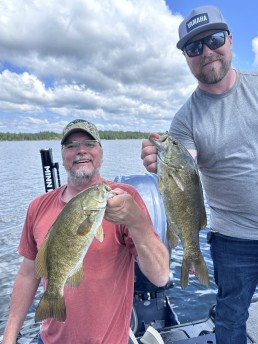
The Peak Spring Bite
Perhaps my favorite time of year to fish North Country lakes is in May and June, when the peak, shallow-water bite is in full swing, with warming water temps and hungry, post-spawn fish. And while it’s always fun to chase bass and panfish on small, western-Wisconsin lakes near my home, it’s always a greater thrill to roll north to the big lakes that are teeming with smallmouth bass and big walleyes. We’re blessed in this part of the country with some of the most dynamic, multi-species fisheries anywhere in the country. And there’s a strong lineup of “big water” to choose from when you consider the lakes we have within reasonable driving distance.
Given the harsh winter this year and how much ice has formed on lakes up near the Canadian border, I’m guessing we won’t see ice-free conditions until a week or two before the early-May fishing openers in Minnesota and Wisconsin. An early-season jaunt soon after ice-out gets the big-lake ball rolling for me. It’s tradition to try to schedule a trip within a week or so after ice-out on a chosen fishery, bundled up against the wind blowing across cold water, to ply the backwaters of bays with a big white fluke or paddletail, seeking hungry post-spawn pike. Or cast rock- and gravel-strewn shorelines and points for prowling walleyes or staging pre-spawn smallies. The action can be fast and furious, especially under sunny skies, along with some wind to roil the banks. And I so enjoy the “active fishing” process of casting small swimbaits, jerkbaits, and cranks to trigger fish to bite.
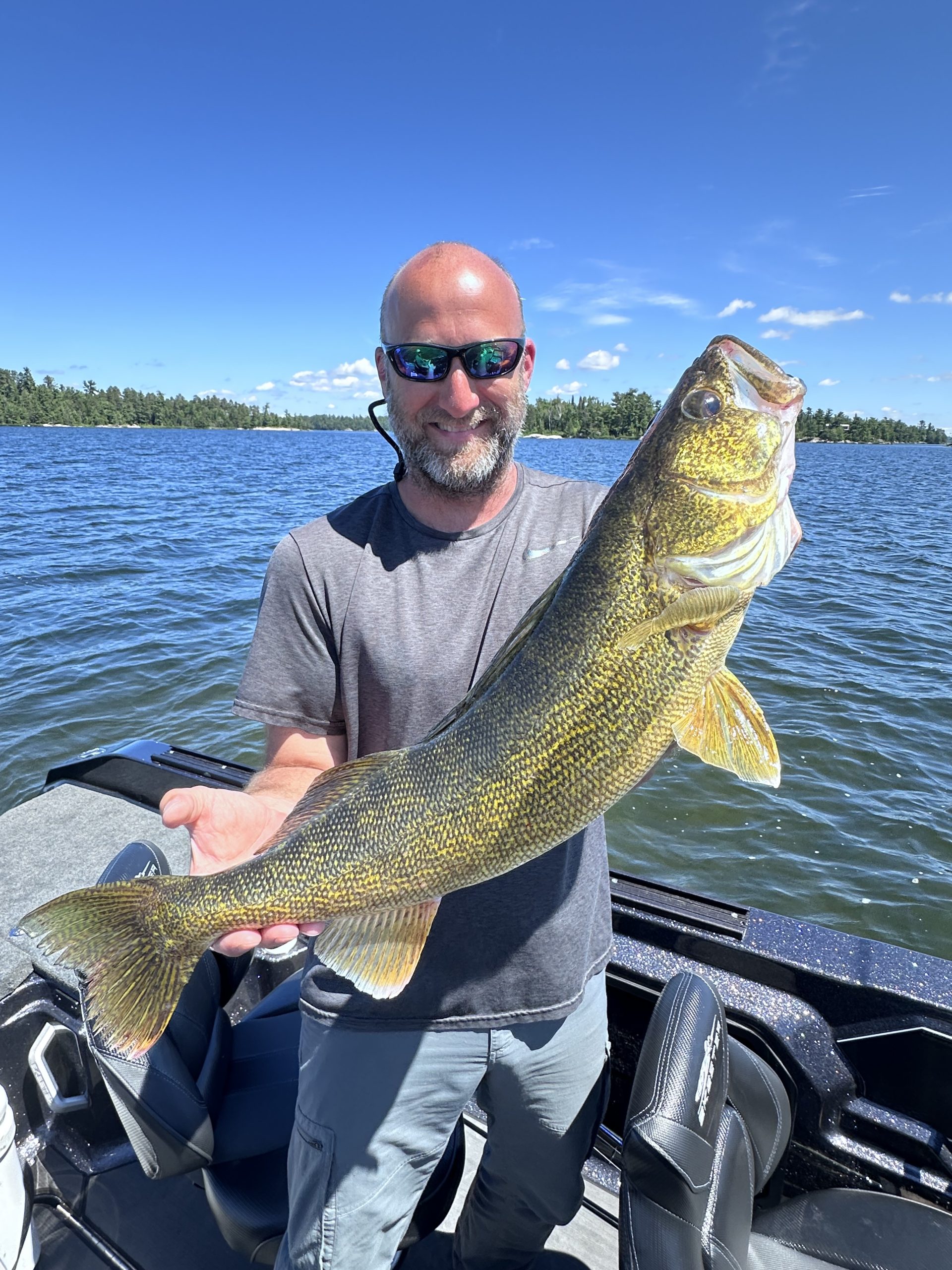
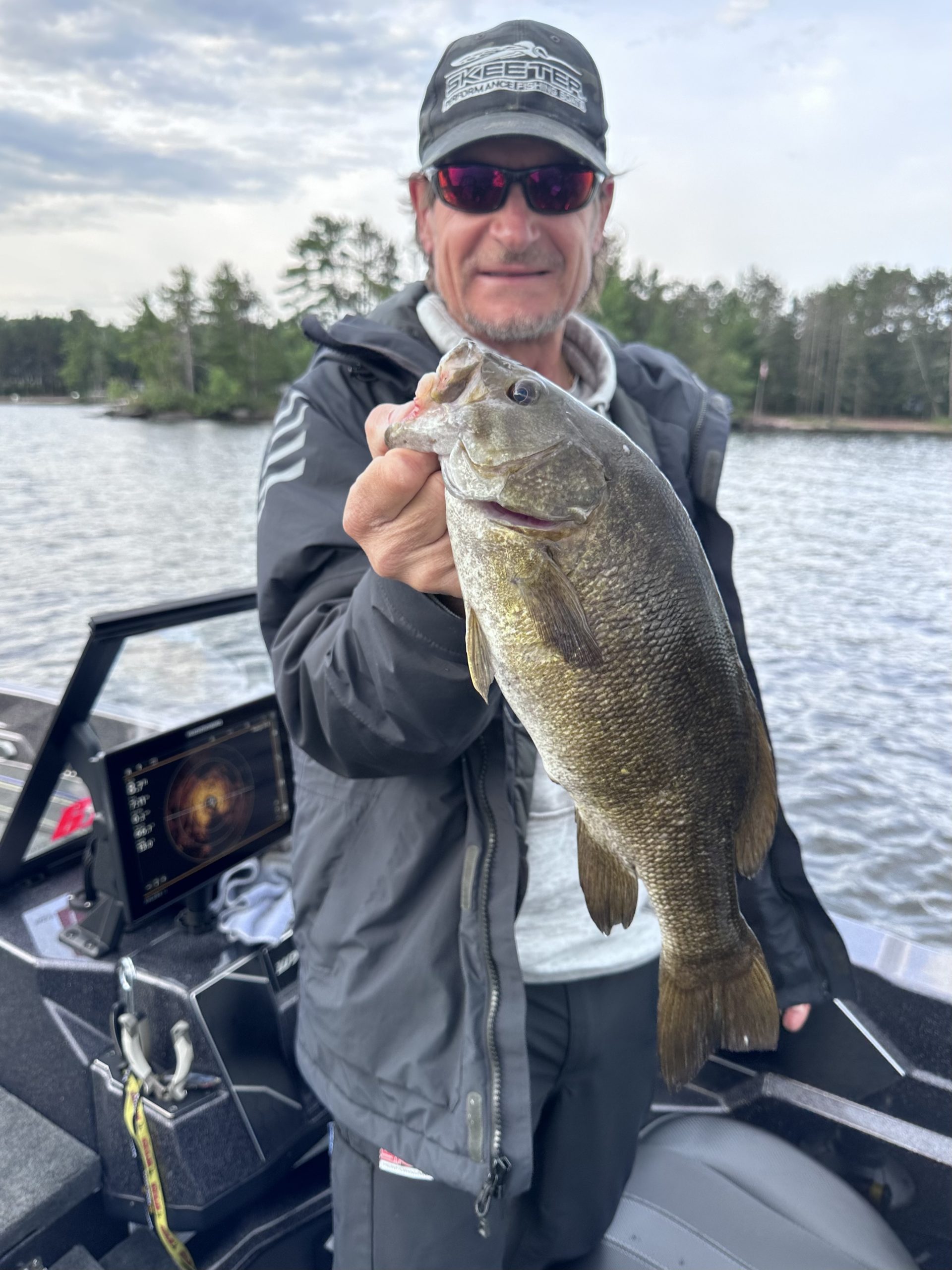
One of my favorite lakes to visit is Minnesota’s Rainy Lake. With ice-out typically around the first week of May, fishing during those first three weeks of the state’s fishing opener on this vast body of water can be a bit frigid to endure—but always tremendously rewarding despite the cold water. The walleye catch rate per angler fishing on Rainy ranks amongst the highest of any lakes in the state, and it’s also renowned as a world class smallmouth bass fishery. And some of the biggest pike in Minnesota also swim here. However, despite the allure of that May bite, the month of June ranks among the best overall for fishing anywhere in the upper Midwest, and Rainy Lake is no different.
You can be among the first to get the latest info on where to go, what to use and how to use it!
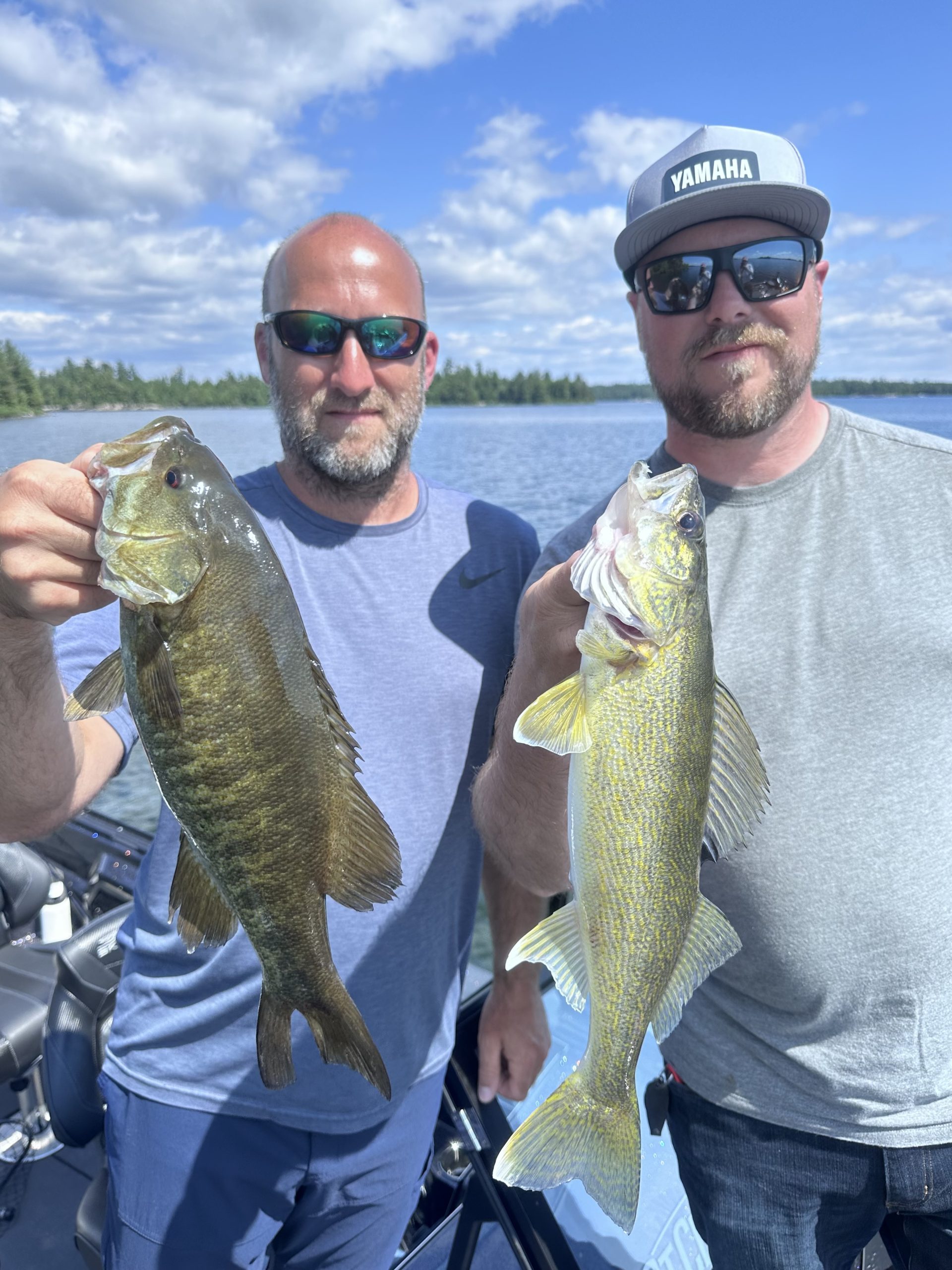
As water temps rise into the high 50s and the calendar turns to June, any lingering post-spawn doldrums the big female walleyes may have experienced have dissipated. They roam the shallows en masse to feed on baitfish and crayfish, joining smaller males that never left the shallows after the spawn. In tandem, the lake’s entire smallmouth population invades the bank as well, with males aggressively defending prime spawning spots and destroying any lure that comes close to them. The big female bass lay in wait, pushing shallower on warm sunny days to find a suitable mate; and slipping back to the 12- to 18-foot depths during gloomy cold front days to sulk, awaiting the full moon period and prime spawning weather.
If you’re lucky enough to have a trip to Rainy planned when weather conditions are optimal, you’ll enjoy some of the best bass and walleye fishing you can imagine. In previous trips, when hitting the conditions just perfectly, it can feel like every bass and walleye in the entire lake is swimming in less than 15 feet of water. And it’s not an exaggeration to say that that’s probably exactly what’s going on.
The tackle arsenal on the deck of my Skeeter is standard fare for this time of year on big, North Country lakes. It includes a Rapala Deep Mavrik jerkbait, a 3- to 3.5-inch swimbait like a Crush City Mayor rigged on a VMC jighead, a Ned rig, a shallow-diving DT crankbait in crawfish pattern, and a topwater popper. When the bass are post-spawn, sometimes two topwater lures will be handy—a smaller popper and a bigger walking or plopping lure. With bright sunny skies and calm conditions, is there anything more fun on the water than a steady topwater bass bite?
The fishing strategy is straightforward: Get on the trolling motor and work down any shoreline where you see that has gravel and rubble on the shoreline versus smooth, slab rock sections. This is your telltale sign that beneath the water’s surface, the right kind of structure to hold baitfish and crayfish is present. While not all such shorelines will be productive fishing spots—it can vary, given their proximity to shallow bays, wind direction on a given fishing day etc.— if you fish these areas with a mix of the aforementioned lures, you’ll catch fish. Another tip: For bass, concentrate on shorelines that offer protection from the prevailing northerly winds we get when weather is blowing through our region. Bass are conditioned to spawn on protected, south-facing shorelines and will linger in such areas even well after spawning season. It’s not until mid-summer/fall when they’ll set up on windy points and main-lake areas to feed.
The months of May and June are two of the best fishing months of the year in the upper Midwest. If you’re looking for a great vacation spot for one or more of your early-season fishing trips, you can’t go wrong with a visit to Minnesota’s Rainy Lake.


Did you enjoy this post?
You can be among the first to get the latest info on where to go, what to use and how to use it!