

The Most Overlooked Trigger in Musky Fishing
Modern musky fishing has traded simplicity for endless options. Forward-facing sonar, premium electronics, custom rods, specialized reels, and an endless array of lures give today’s musky anglers more tools than ever before. Yet after decades of guiding and observing how muskies actually respond in real world conditions, I’ve reached a clear conclusion: many anglers are making one critical mistake.
They’re simply doing too much.
A common misconception today is that more rod movement and more aggressive lure action automatically create more strikes. In reality, many retrieves are overpowered to the point that the lure loses the qualities that make muskies commit.
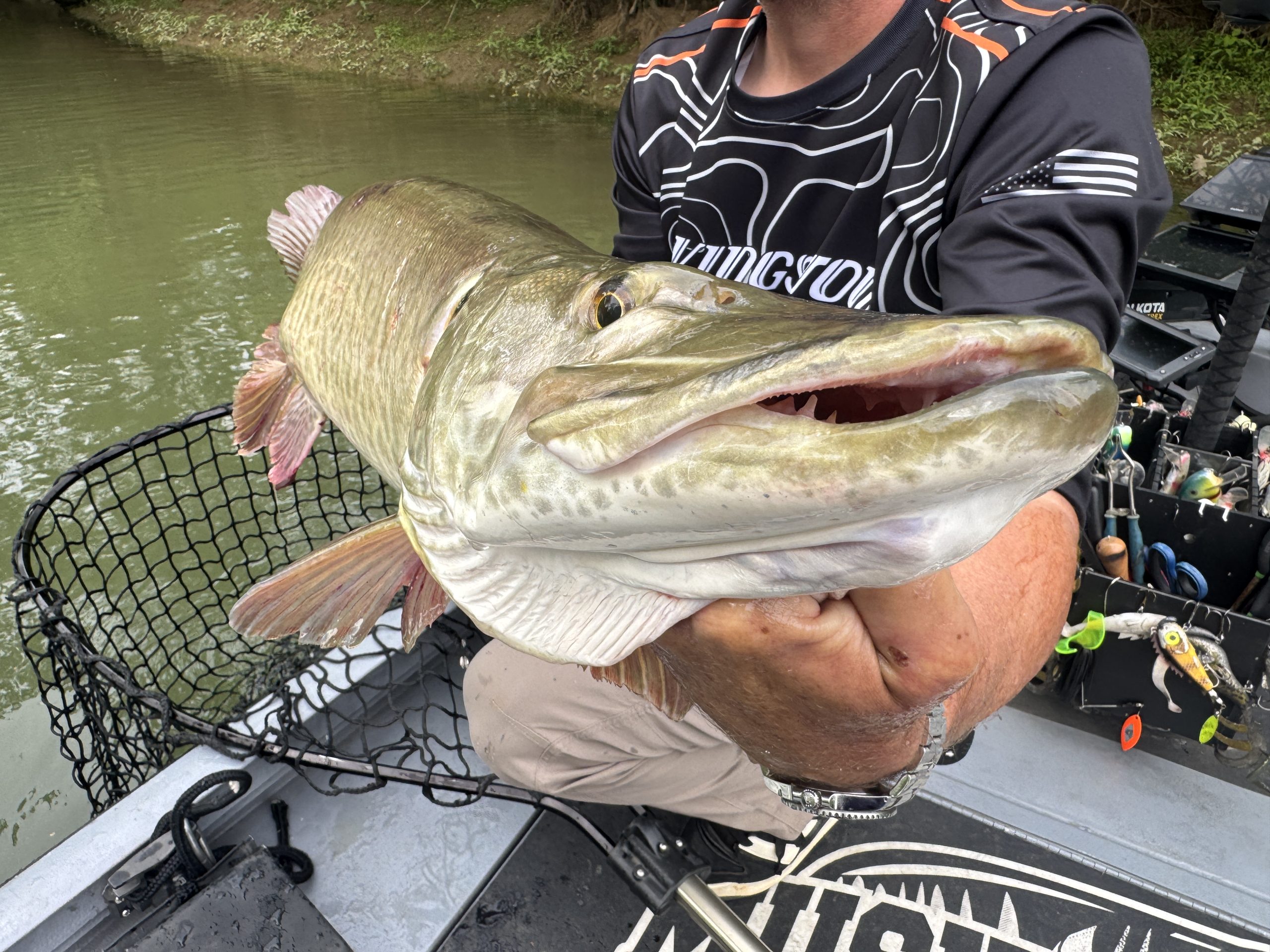 This has become especially evident in the age of forward-facing sonar. Anglers can now watch muskies’ reactions in real time, and a consistent pattern emerges: muskies are often more interested in subtle stalls, pauses, directional changes, and vulnerable movements than in violent, high-speed retrieves.
The power of the pause has become one of the most important triggering mechanisms in contemporary musky angling.
Time and again on the water, I watched muskies follow aggressive presentations without committing. Then, on subsequent retrieves that included a stall, a rise, or a moment of hesitation, the musky would suddenly strike. Not during the maximum movement, but during a key moment of vulnerability.
That observation changed how I approach both lure design and lure selection on the water. Instead of focusing solely on hyper aggressive action, I now prioritize baits that naturally create triggering behavior with minimal angler input. This is where modern lure designs begin separating themselves from traditional lures that lose realism and natural movement during the pause.
One lure I rely on heavily is the Livingston Lures Titan, along with the downsized Titan Junior. What separates them is not just the dive and rise action, but how naturally they behave during the pause. On the pause, both the Titan and Titan Junior maintain a natural wobble and subtle instability instead of stopping dead. This creates a longer window of vulnerability that muskies find hard to resist.
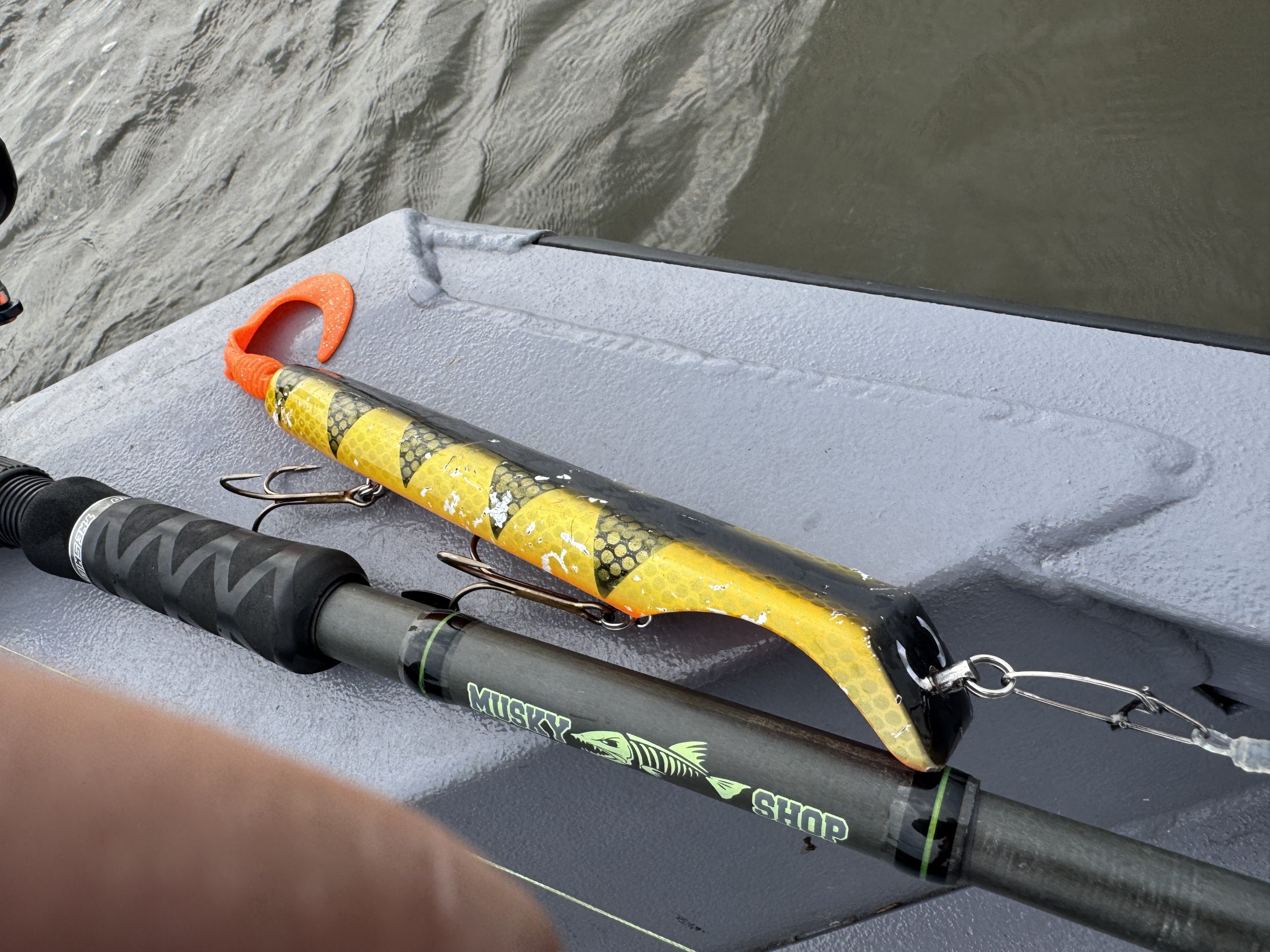 Many anglers underestimate how important it is for a lure to maintain natural vulnerability during the pause.
Muskies are apex predators, but they are also highly efficient. They constantly assess vulnerability. A bait that abruptly halts often feels artificial. One that slowly rises, pivots, hangs, or subtly drifts, appears far more convincing.
You can be among the first to get the latest info on where to go, what to use and how to use it!
Often, the rise is more important than the pull.
This becomes critical on heavily pressured waters. Today’s musky fisheries see far more angling pressure than in decades past. Muskies see the same retrieves, cadences, and lure styles day after day. The anglers who consistently trigger strikes are those offering something that feels less mechanical and more natural.
Sound plays a bigger role than many realize. Traditional hard baits can produce unnatural noise from hooks, split rings, and aggressive rattles. In clear or pressured water, this can work against you. Livingston’s EBS (Electronic Baitfish Sound) technology found in the Titan and Titan Junior stands out here by introducing actual baitfish sound patterns rather than unnatural, generic rattling. The result is a more believable underwater sonic footprint, especially during pauses when muskies are closely inspecting the bait.
The key in modern musky fishing is believable stimulation, not maximum stimulation.
The Titan and Titan Junior particularly excel during cold fronts. Their dive and rise action combined with subtle, natural sounds can be the final trigger that makes negative fish commit. In an era of oversized lures, excessive noise, and constant sonar activity, less is often more, especially when targeting trophy muskies in pressured systems.
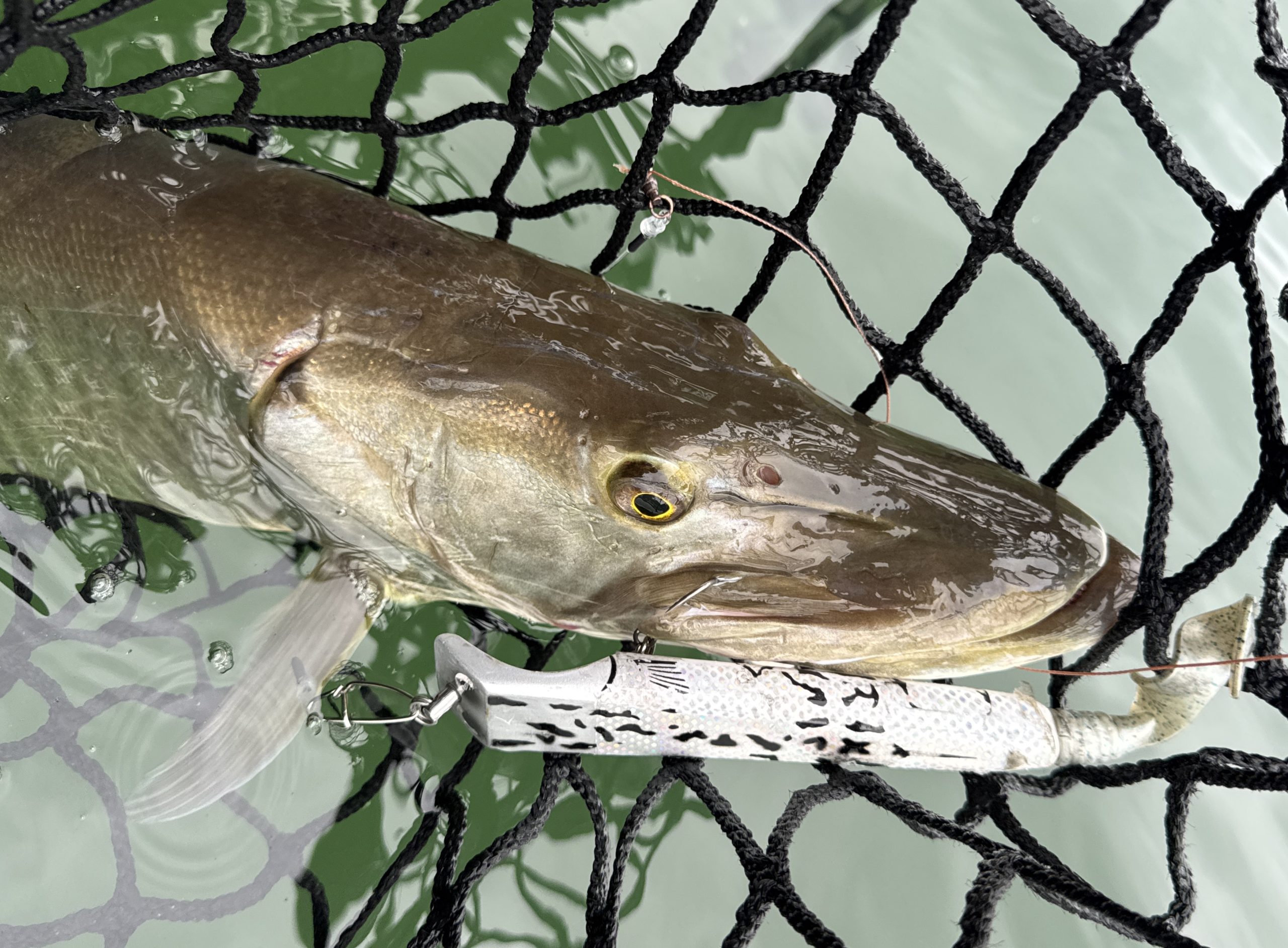 The anglers who consistently capitalize on the pause, understand that the best musky presentations are rarely the loudest, fastest, or most violent. They are the ones that create the greatest opportunity for a predator to strike.
In many ways, today’s musky landscape has become a game of refinement rather than excess. The most successful anglers understand when to slow down, when to let the lure “breathe,” and when to let the bait itself do the work instead of forcing every movement with the rod.
As technology continues to reshape musky fishing, one lesson remains surprisingly simple:
Sometimes the best thing an angler can do is less.


Did you enjoy this post?
You can be among the first to get the latest info on where to go, what to use and how to use it!
