
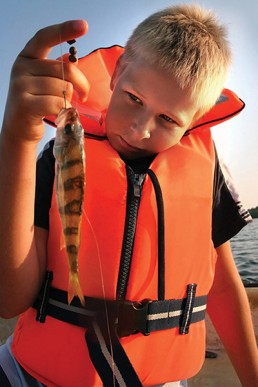
Safety First: Preparing Kids for Their First Fishing Adventure
A child’s first fishing trip is about more than catching fish. It’s about curiosity, fresh air, and learning to enjoy time near the water. But before the first cast, safety comes first. Kids are naturally excited around lakes, rivers, and ponds, and that excitement can make them forget basic precautions. A little preparation helps ensure the trip stays fun and stress-free for everyone.
Teaching water awareness early builds confidence. It also helps kids understand that fishing isn’t just about gear and bait. It’s about respecting the environment and staying alert. With a few simple steps, parents and caregivers can turn that first outing into a positive and safe experience.
Start with simple rules
Kids respond best to clear, easy-to-remember instructions. Before leaving home, go over a few basic water safety rules. Keep the language simple and repeat them often. For example, explain that they should never run near the water, always stay where an adult can see them, and keep both feet on the ground unless told otherwise.
This conversation doesn’t need to sound serious or strict. Present it as part of the adventure. You might say, “Before we go fishing, we learn the water rules—just like learning the rules of a game.” Framing safety as part of the fun helps kids pay attention without feeling overwhelmed.
It also helps to explain why these rules matter. Kids are more likely to follow directions when they understand the reason behind them. Saying “rocks can be slippery” or “water can be deeper than it looks” makes the message more real. These small lessons build awareness that carries over into future outdoor trips.
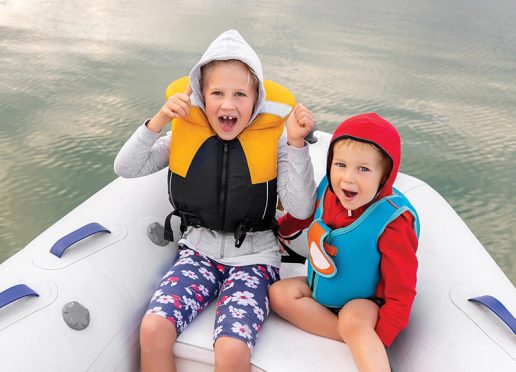
Life jackets first
One of the easiest ways to improve safety is by using properly fitted life jackets. Even if you’re fishing from shore, a life jacket adds peace of mind, especially for younger children. If you’re near a dock, boat, or moving water, a life jacket becomes even more important.
Make sure the jacket fits snugly without being uncomfortable. A good test is to gently lift at the shoulders. If the jacket moves up past the child’s chin or ears, it’s too big. Comfortable gear means kids are more likely to wear it without complaints.
Let kids try on their life jackets at home before the trip. Walk around, sit down, and pretend to fish. This helps them get used to the feel. When it’s time to head out, the jacket won’t seem strange or restrictive. Instead, it becomes just another part of the fishing outfit.
Modeling this behavior helps too. When adults wear life jackets, kids see safety as normal rather than optional.
Choose the right location
Not all fishing spots are ideal for beginners. For a first trip, look for calm water, gentle banks, and plenty of space. Avoid steep drop-offs, strong currents, or crowded docks. A quiet pond or small lake often provides the best introduction.
Easy access makes a big difference. Wide paths, stable ground, and minimal obstacles help kids move safely. You’ll also spend less time worrying and more time enjoying the experience. If possible, scout the location ahead of time to identify potential hazards.
Shade is another helpful feature. Kids can become tired quickly in direct sun. A comfortable environment keeps moods positive, and attention focused. When children feel relaxed, they’re more likely to listen and follow safety instructions.
Practice near the water
Before handing over a fishing rod, spend a few minutes just exploring the area together. Point out where it’s safe to stand and where they should avoid. Show them how close they can get to the edge. This quick orientation helps reduce surprises.
You can also practice simple movements. Demonstrate how to walk slowly near the water and how to step around rocks or plants. Kids often learn best by copying what they see. Turning these actions into a mini lesson makes safety feel natural.
Encourage them to ask questions. They might wonder why the water looks darker in one spot or why the bank slopes downward. These conversations build awareness and confidence at the same time.
Keep gear simple
Complicated setups can distract from safety. For a first fishing trip, keep equipment minimal. A basic rod, small tackle box, and simple bait are usually enough. Less clutter means fewer tripping hazards and easier supervision.
You can be among the first to get the latest info on where to go, what to use and how to use it!
Show kids where to place gear when it’s not in use. A designated spot keeps the area organized and reduces confusion. It also teaches responsibility. When children learn to manage their equipment, they become more mindful of their surroundings.
Avoid sharp hooks lying around. Keep them stored safely until needed and assist with baiting when possible. This prevents accidental injuries and keeps attention focused on the experience rather than frustration.
Watch the weather
Weather plays a big role in water safety. Wind, rain, or sudden temperature changes can make conditions unpredictable. Checking the forecast before heading out helps you avoid unnecessary risks.
Even on warm days, water can be cold. Kids who slip in may react quickly to the temperature. Dressing in layers helps them stay comfortable. Non-slip shoes are also helpful on wet ground.
If conditions change, don’t hesitate to wrap up early. Ending the trip on a positive note is better than pushing through discomfort. Kids remember the overall experience, and a safe, enjoyable outing encourages them to look forward to the next one.
Build water confidence
Some kids are naturally comfortable around water, while others are cautious. Both reactions are normal. Building confidence gradually helps children feel more secure. Simple activities like tossing pebbles, watching fish, or practicing casting away from the edge keep them engaged without pressure.
Swimming ability also plays a role in overall safety. Even though fishing doesn’t require swimming, basic water skills add another layer of protection. Many families consider professional swim lessons for kids before spending more time around lakes and rivers. These lessons can teach floating, basic strokes, and how to stay calm if they accidentally enter the water.
Confidence doesn’t mean removing supervision. It simply helps kids remain calm and responsive. When children feel comfortable, they’re more likely to follow directions and enjoy the experience.
Stay close and engaged
Supervision is the most important safety tool. Stay within arm’s reach for younger kids, especially near docks or uneven banks. Avoid distractions like phones or multitasking. Fishing with kids works best when you’re actively involved.
Talk with them throughout the trip. Ask what they see, what they feel, and whether they’re comfortable. These conversations help you spot concerns early. They also keep kids focused and less likely to wander.
Sharing the experience strengthens attention. When kids feel included, they’re more likely to stay nearby and follow instructions.
Make safety part of fun
Safety doesn’t have to feel like a list of warnings. Turn it into part of the adventure. You might create a “water safety checklist” and let kids help review it. Or play a simple game where they point out safe places to stand.
Celebrating good choices reinforces positive behavior. If a child remembers to walk slowly or stay back from the edge, acknowledge it. Encouragement helps them understand that safety is something they’re doing right.
Over time, these habits become automatic. Kids begin to recognize safe behavior without reminders. That’s the goal—building awareness that lasts beyond one trip.
A great first memory
A child’s first fishing trip can spark a lifelong love of the outdoors. Preparing ahead ensures that memory stays positive. Simple rules, proper gear, and close supervision go a long way. Choosing the right location and keeping things relaxed helps kids feel comfortable and excited.
As children grow, these early lessons become second nature. They learn to respect the water, pay attention to their surroundings, and enjoy fishing responsibly. With a thoughtful approach, the first trip becomes more than an outing; it becomes the start of many safe adventures to come.
Did you enjoy this post?
You can be among the first to get the latest info on where to go, what to use and how to use it!
