
Plan and Purchase for 2026
Since February is a shorter month, I like to let people know, “Hey, it’s time to think about fishing open water again.”
Your ice shack might be getting a bit claustrophobic by February. I’m not one of the legions of icemen, so by the time Cupid is testing his new compound bow with non-lethal, heart-shaped arrows, I find time to plan where I want to fish when open water reappears. And then I get what I need to be ready to roll.
In chronological order, rivers come first. They shed ice quicker than lakes, and most host walleye populations that are on the way to spawn, and hungry enough to feed, on the way upriver to dam spawning areas, as well as replenishing afterward on their way back downstream and home.
Rivers are not just spring hot spots. They can produce all year round and can save an outing, especially in summer.
For lakes, start with small, shallow waters, and leave the bigger ones for later, as they take longer to warm after ice-out. I like bass, and some less-than-100-acre spots can save your day.
I remember taking an outdoor editor on an outing in mid-May. I pre-fished a deeper lake and basically slept at the wheel instead. No fish. I needed a place for the next day, so I went to a 60-acre lake on a wing and a prayer… which was answered. We caught fish from the get-go and ended with a bunch of largemouths on tube jigs. Nothing oversized, but a few dozen willing recruits. The article he wrote for his next column was quite nice.
There are a few lakes on my list up to about 200 acres. Some of the bass in them like me. But not all the time, as I have had some tough days on them as well. Maybe it’s just the fish saying, “Don’t puff out your suspenders today, buddy.”
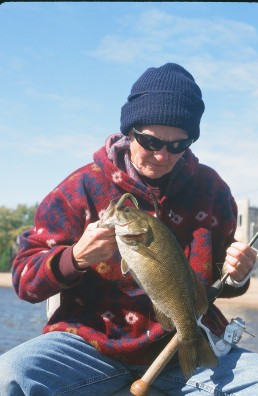
Bass are catch-and-release until the first Saturday in May. I like to fish for them from April through June, then gradually switch over to larger lakes, where you can find spawning bass later and have enough water and cover to mine all depths as the season progresses. This article focuses more on spring, but the info and bait choices can be used all season.
You can be among the first to get the latest info on where to go, what to use and how to use it!
You can’t go wrong with jigs for river walleyes. You may have to go deeper early, and in heavier current. (Summer and fall usually bring lower water levels.). So, it never hurts to have an assortment of jigs available. Round, ball head jigs from 1/8- to 1/2-ounce give you some weapons. In many cases, using just a jig and minnow works. I also like plain heads, and painted fluorescent orange or chartreuse heads, especially in off-color water. Rigging them with a plastic grub also works, especially if you want to add a little more bulk to your offering. Having some lighter- and darker-color trailers can provide the ticket. And I don’t mind putting a minnow on, even if the jig is dressed. For a change-up, try a Bass Assassin 4-inch WE Turbo Shad as a swimbait.
You don’t need a ton of baits for lake bass, either.
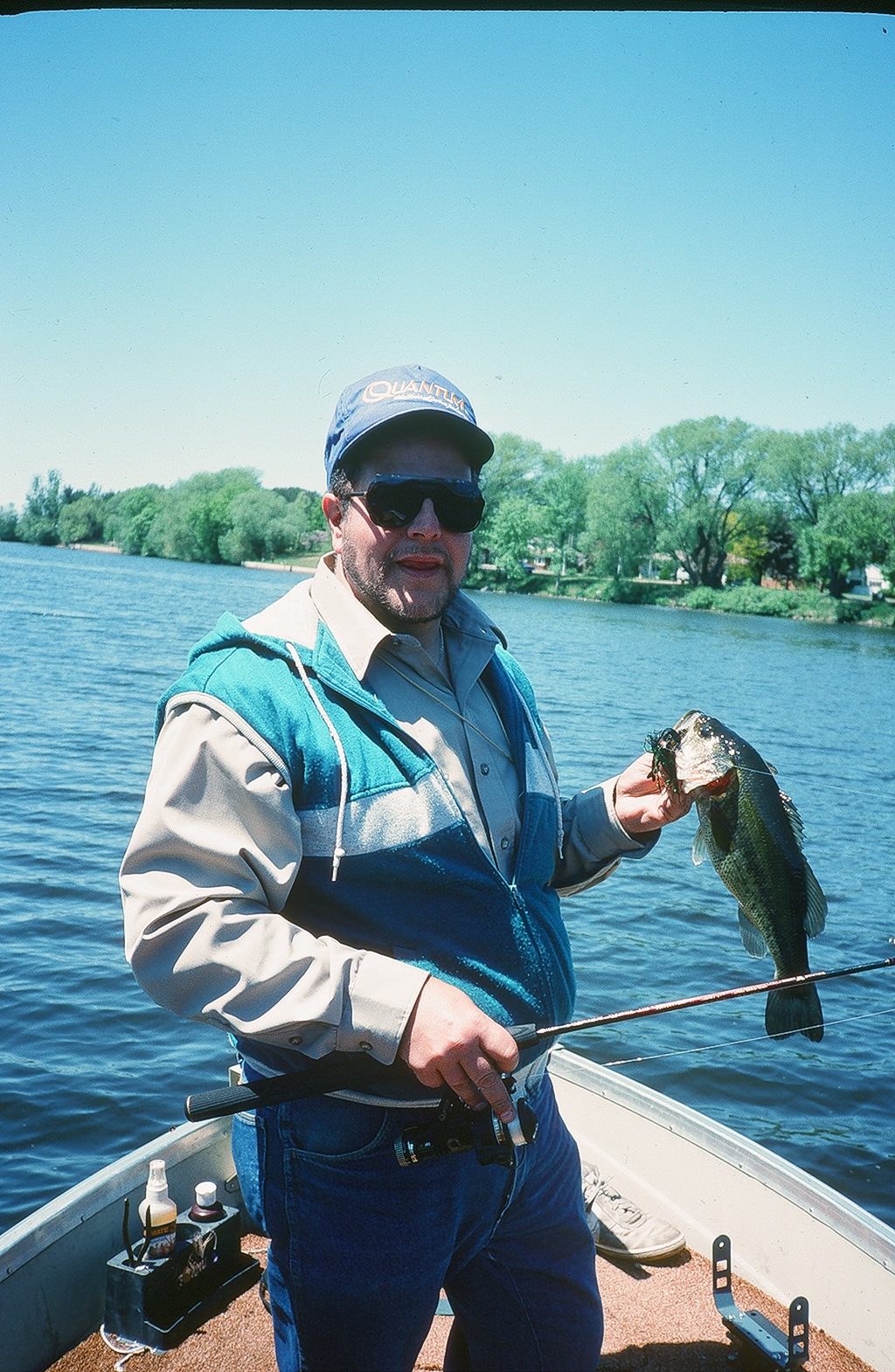
It is hard to beat a silicone-skirted bass jig and a craw-type trailer. An assortment of jig weights from 1/4- to 1/2-ounce should handle most fishing. Shallow lakes warm quicker and fish go shallow earlier. For wood laydowns and weeds I usually start with a 1/4-ounce and go from there. Berkley’s MaxScent Power Chunk or Creature Hawg has been productive. Black and blue, or green pumpkin with a dash of blue, are key colors. Match the trailer colors. You can also swim jigs in and around cover.
I also like the Yamamoto Senko, for two reasons. First, they are a great throwback lure if a bass hits your jig but isn’t hooked. They also are wonderful weightless baits. If the bass are not tight to cover, back off deeper, to weeds that are starting to bloom. Rig the Senko Texas-style on a 3/0 weedless round bend or wide gap hook and work it slowly though the new weeds. It will draw strikes if the fish are sitting in place, waiting to move. A lot of times, the Senko bite can be very light, so be vigilant.
Crankbaits, jerkbaits, swimbaits and spinnerbaits are also worthwhile. Shallow and deep, suspending crankbaits are good search baits along drop-offs, as are minnow-shaped jerkbaits. A shallow, square bill crankbait navigates the limbs on brush and laydowns with minimal snagging.
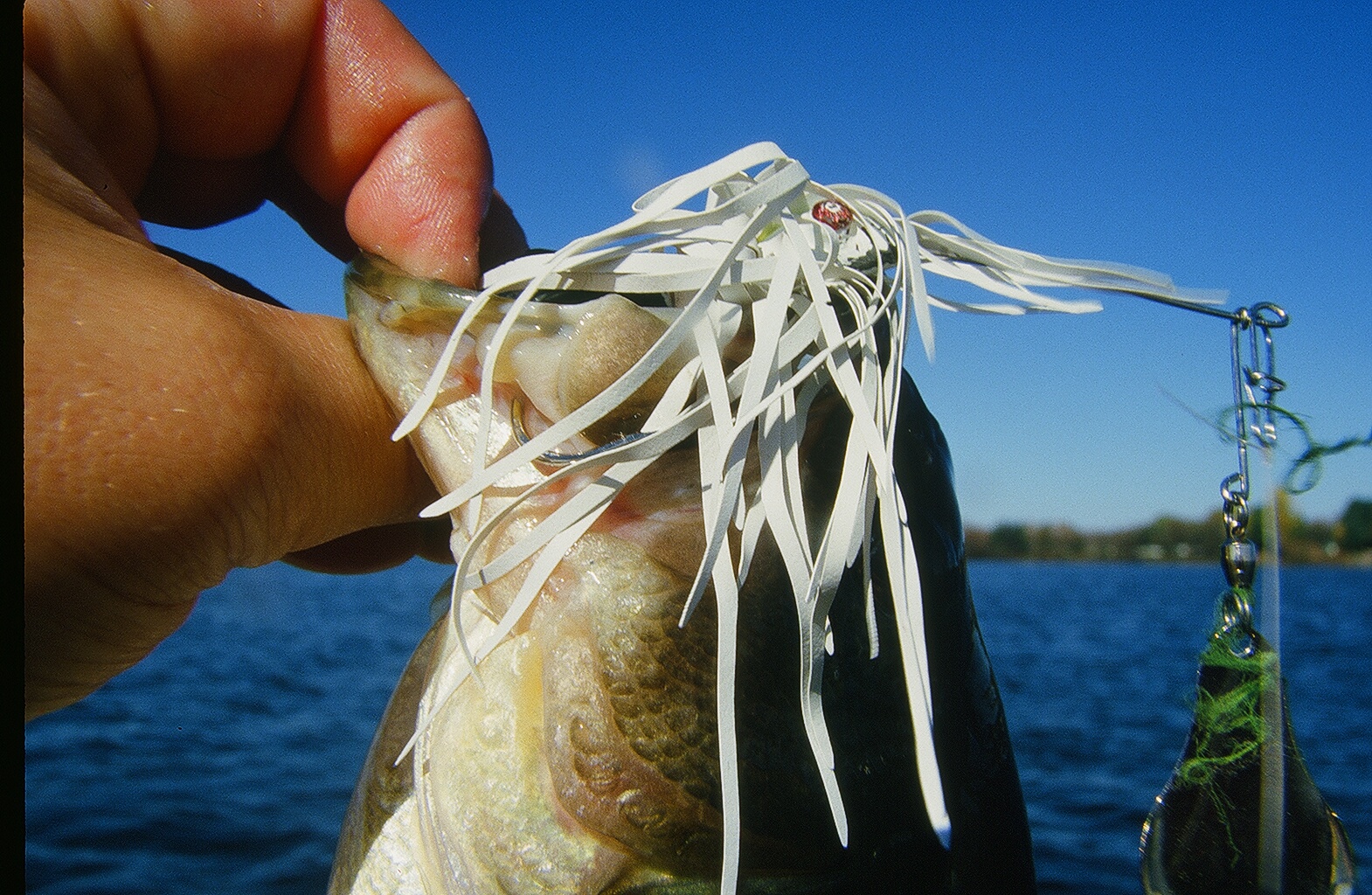
A spinnerbait—white is my first choice—is still a good fish catcher. Get one with twin willowleaf blades for shallow use, and a single bladed Colorado which can also call in fish via vibration. Add in a ChatterBait bladed jig, and tip it, and your spinnerbaits, with a Bass Assassin 4-inch Elite Shiner boot-tailed plastic swimbait. The kick on the boot tail intensifies the interest on these baits. I usually hit plastics with a dash of Bang Combo scent when using mobile baits.
These baits also work year-round. As the season progresses you might find other baits, like hollow-body frogs for slop fishing success. But these are tried-and-true.
Depending on how close you are to various waters, I’d suggest looking at 5 to 6 lakes and 2 or 3 rivers within easy driving distance. You can add or subtract for other time frames, like summer, based on your success. It won’t be long now, so give it a shot.


Did you enjoy this post?
You can be among the first to get the latest info on where to go, what to use and how to use it!