
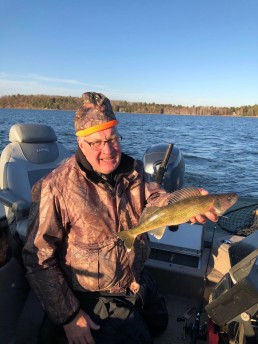
Opening Night on Walleye Water
When the ice finally let’s go in Minnesota, I feel it before I see it.
The first warm day of spring always pulls me back to the lake. Up here in west-central Minnesota, where long winters grip the land, that first stretch of open water feels almost like a reward. Around here, ice loosens, the wind softens, and open water returns like an old friend. Walleye season marks the true end of winter for me. Every year, I promise not to get worked up about the opener. Yet when that warm day arrives, I check the forecast like a kid on Christmas morning. Spring doesn’t start on the calendar; it starts when the ice gives way.
That’s when it’s time to get the boat ready—check the batteries, retie rods, and dig out the tackle box we swore we’d organize before winter ended.
Lately, though, something feels different.
Midnight launch
I first noticed it with my fishing buddy Dave. We’ve spent every walleye opener on the same northern lake. Our ritual hasn’t changed.
The night before, we load the boat under a dark sky, headlights sweeping across gravel and pine. A thermos of coffee sits between us, steaming in the cold. By the time we reach the landing, it’s usually gone lukewarm. Just before midnight, we stop at the bait shop and wait in line for prized shiner minnows. The smell of lake water, sawdust, and fresh bait hangs in the air. Nets splash into tanks. Aerators hum. The bucket of minnows feels like home.
We know our fishing starts at 12:01 a.m.—the exact moment the season opens.
Wind, weeds, walleyes
My buddy has a knack for reading walleyes. “Cloud cover and a southwest wind—they’ll stack up on the break outside the weed line,” he says. More often than not, he’s right. Walleye fishing has a rhythm, and small changes in water temperature and wind direction can reposition fish overnight.
Early in the season, walleyes key on the spawn and slide shallow to chase shiners. Success comes down to understanding both location and forage. If you’re heading out for the opener, pay attention to the wind. A southwest breeze and warming water often scatter the fish onto the first break.
In the dark, we start by trolling a shallow-running crankbait to cover water and contact active fish. As the sun rises, we switch to long casts with a 1/8-ounce jig tipped with a live shiner, letting it settle to the bottom before lifting it gently and retrieving it slowly, just fast enough to keep contact. One early-season morning, a bright gold jig and shiner produced steady action; we cast it out, let it rest, then worked it back with patient lifts, waiting for a hungry walleye to move in and pick it up.
Not like before
Last spring, after an hour without a nibble, he glanced across the water and said it out loud.
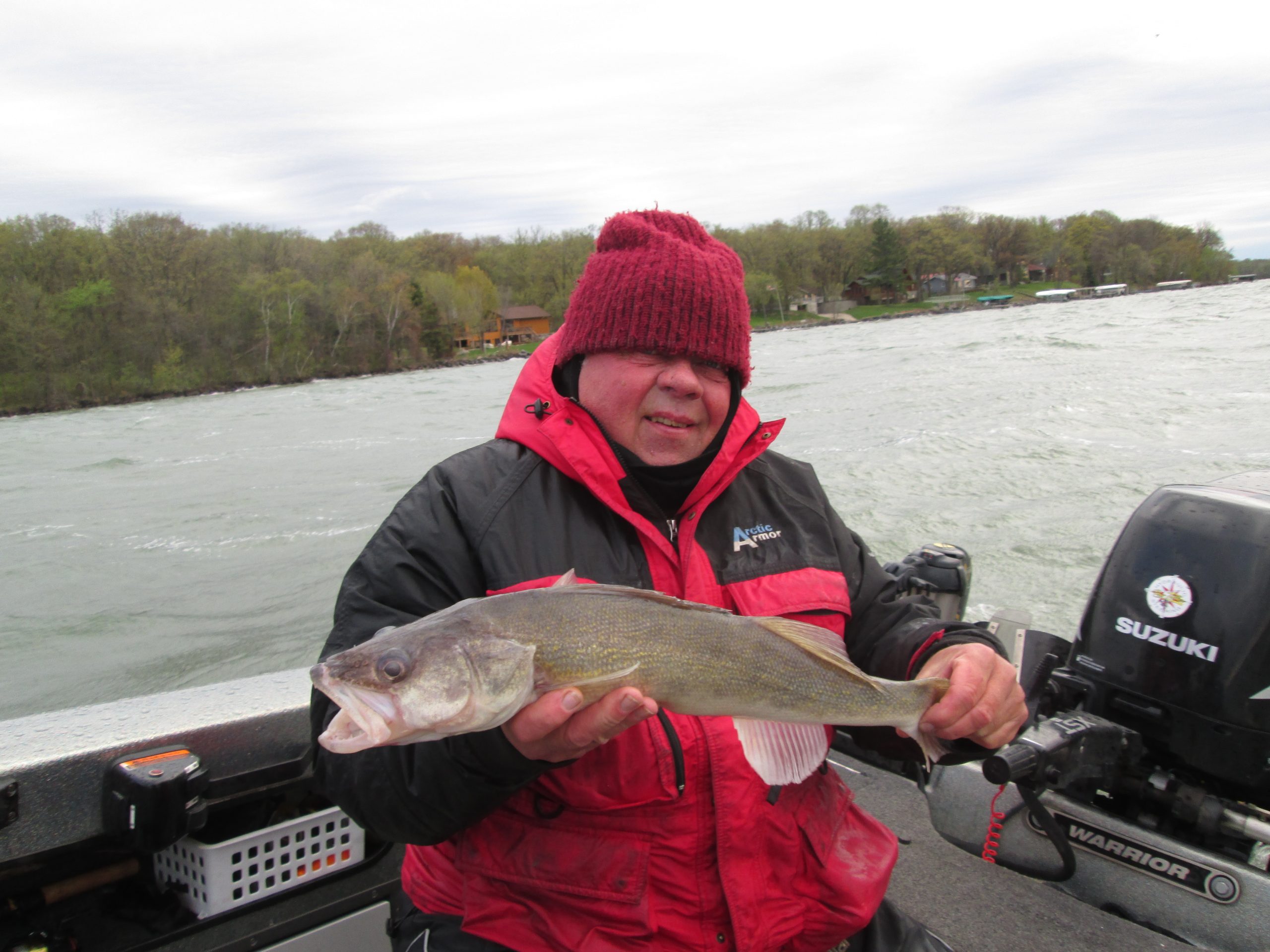
“They’re not where they used to be.”
You can be among the first to get the latest info on where to go, what to use and how to use it!
Not angry. Just noticing.
At the landing, others echoed the same thought. The water was clearer. The weeds weren’t the same. Timing felt off. Some blamed warmer springs; others pointed to zebra mussels or shifting forage. One thing was clear: The fish weren’t where they used to be.
It wasn’t just the fish.
The old bait shop we visited closed last year. The owner retired, and no one stepped in. Now, most folks order gear online. No more long conversations with old-timers. No handwritten photos thumbtacked to the wall. Instead of scooping lively shiners into a metal bucket, anglers talk about plastics that imitate everything.
At the landing, aluminum boats sit beside high-tech rigs with screens glowing like cockpit dashboards. Forward-facing sonar. Digital contour maps. Live-bait management systems. It’s easier than ever to find fish.
One afternoon, I watched a teenager catch a walleye, snap a quick photo, and slide it back into the water. He wasn’t admiring the fish. He was measuring something different. For a moment, I wondered if some of it was slipping away.
What stays
Then came a calm evening. My buddy and I drifted along a shoreline as the sun slipped behind the pines. The lake smoothed to glass, holding the last light of day. We hadn’t caught much. I don’t even remember how many. It didn’t seem to matter.
He leaned back, breathed in the cool air, and said, “Even if the fish change, this part doesn’t.”
And he was right.
Walleye fishing here has always been about more than limits or electronics. It’s about ritual. The first cold bite of morning air. The quiet hum of the motor at idle. The feel of a jig ticking bottom. The steady weight of a fish in the dark.
Fish may move. Technology may hum louder at the landing. Old shops may fade into memory. But as long as we launch before midnight, ease into open water, and drop a line at 12:01 a.m., something steady remains.
Opening night isn’t really about where the walleyes are.
It’s about why we’re there.

Did you enjoy this post?
You can be among the first to get the latest info on where to go, what to use and how to use it!
