
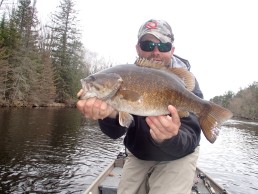
High-Water Versus Low-Water River Smallmouths
I don’t know about you, but I favor fishing rivers during high water and moderate-flow events, versus low water and drought-like conditions. Whether the river system is high or low, flows fast or slow, river fisheries offer unique fishing situations to experienced smallmouth anglers.
High-water smallmouth strategies
In high water, I often find myself casting upstream or cross-current, whereas in low water, I mostly cast downstream. During high-water floats, we seldom float for distance, while on low-water floats, smallmouths and their dispersal throughout the system force us to float several miles
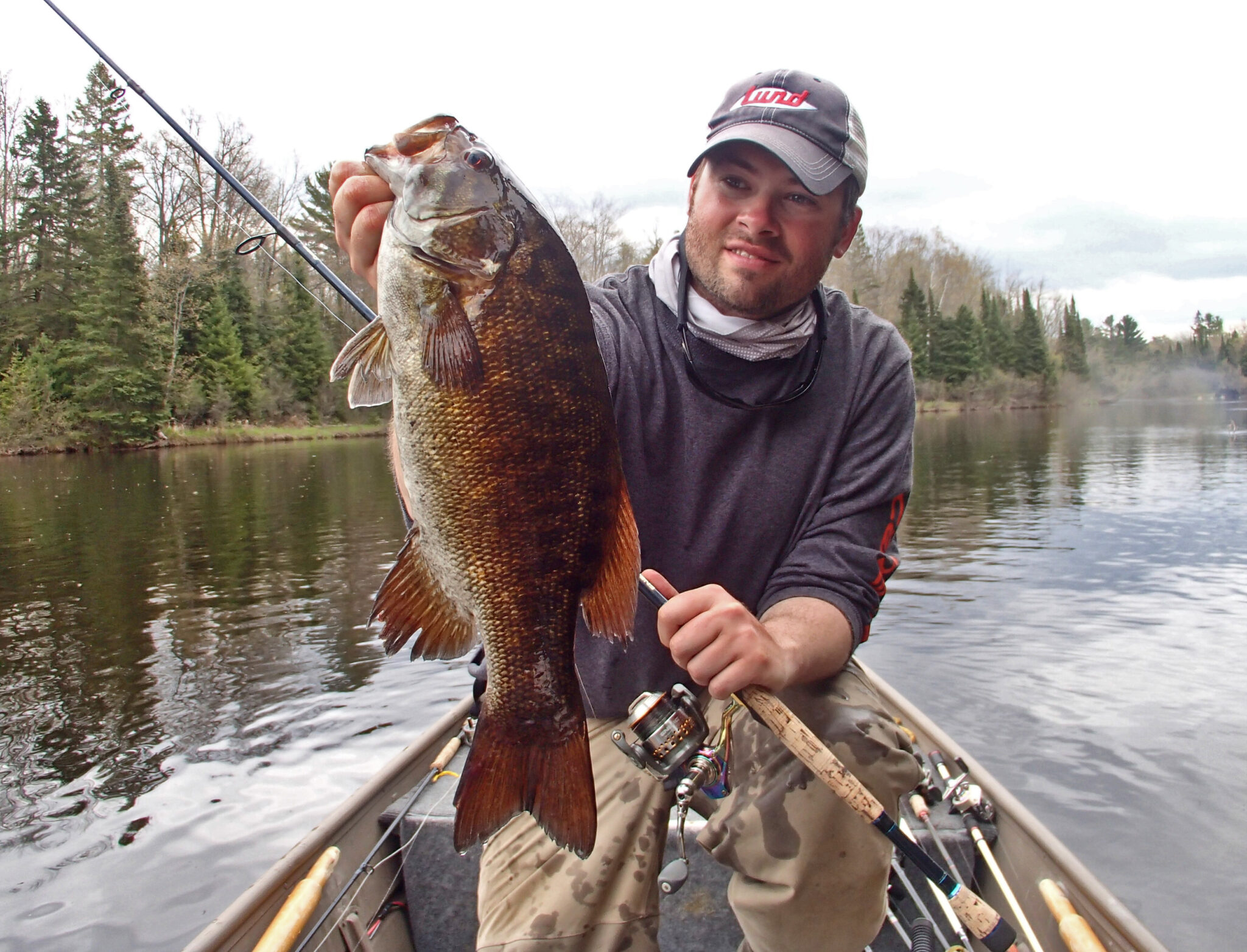
When fishing from my river boat (a 1448 jon), I approach spots from both upstream and downstream sides and slip along downriver with the trolling motor. When the current is too strong for Spot-Lock, I toss out a 3-arm river anchor to hold the boat in place. As the bow of the boat faces upstream, I cast upstream and cross-current toward the breaks into each hole, and past the structure being targeted, allowing the river’s current to do its work in bringing my lures downstream.
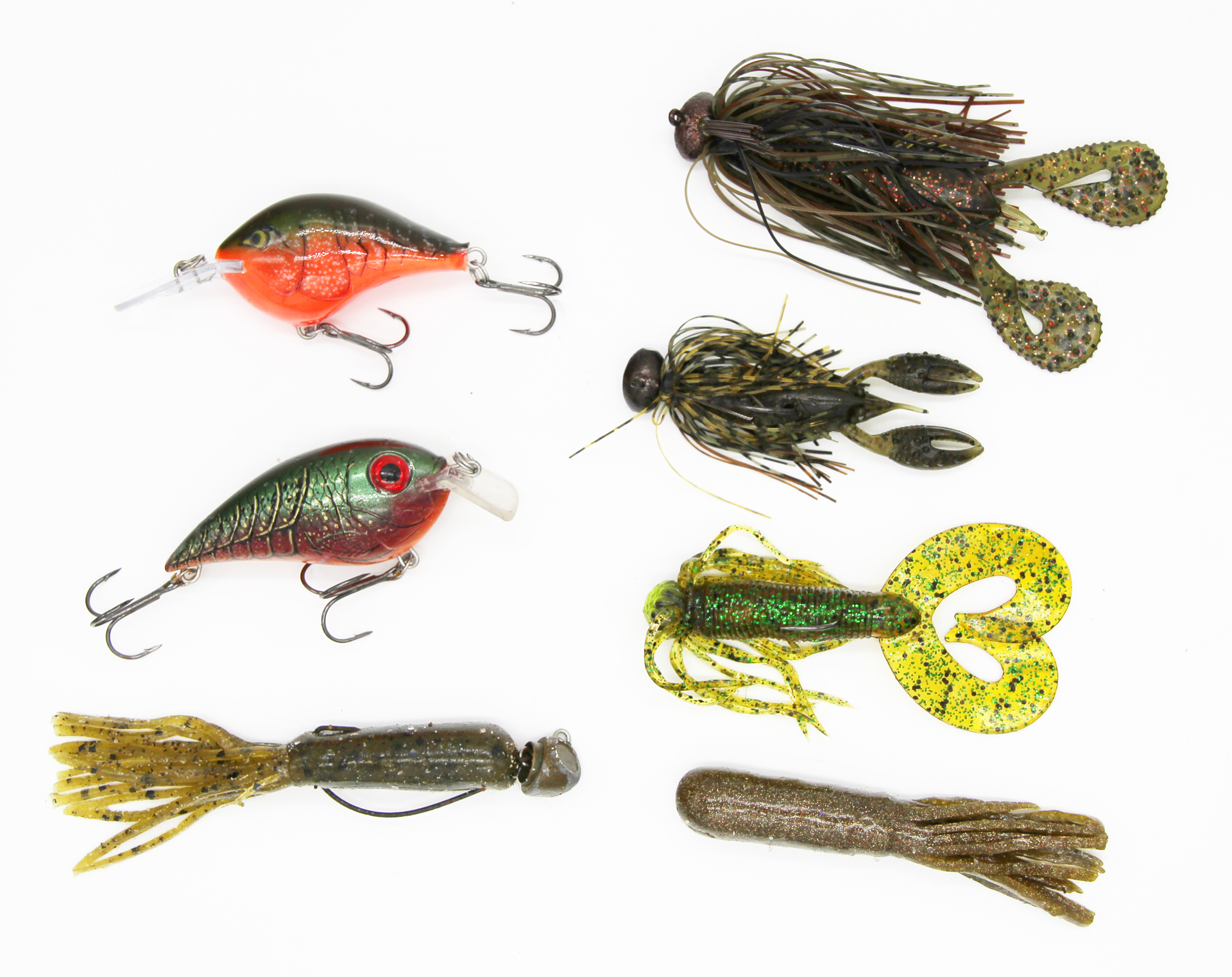
The faster the current and deeper the area, use heavier lure weights to fish effectively fish through it. I rely on tubes, football jigs, hula grubs, and crankbaits are relied.
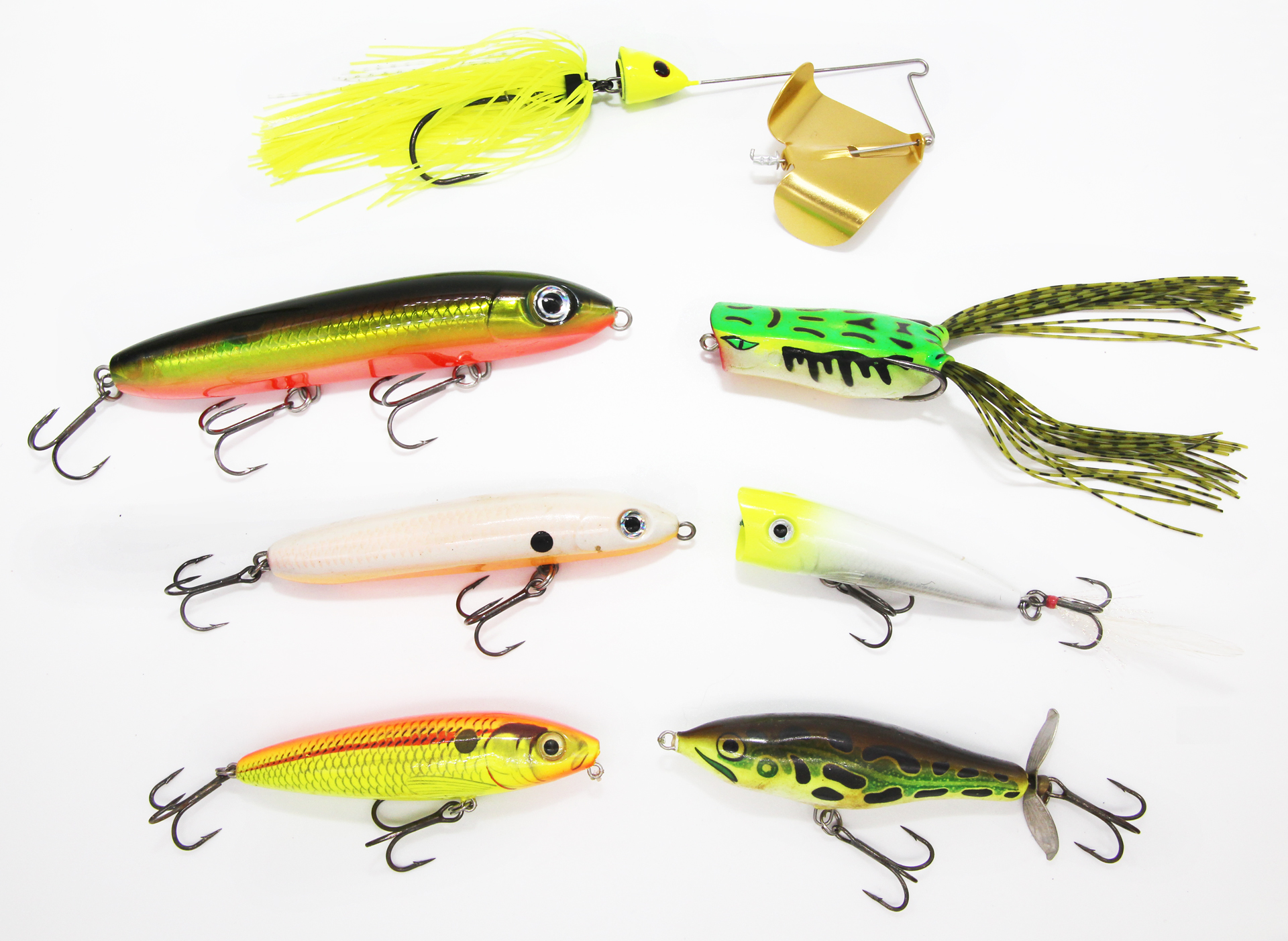
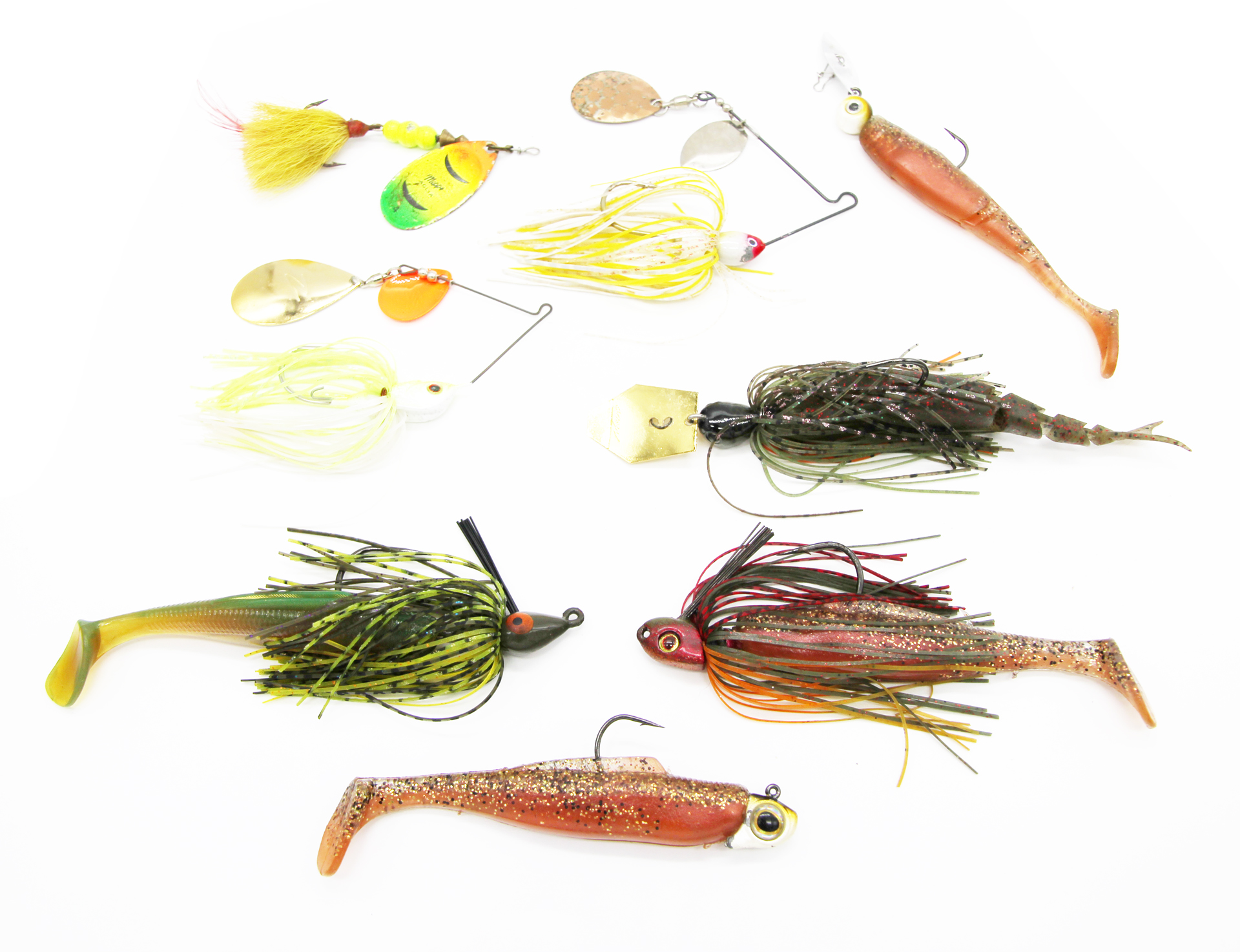
As water levels recede, casting angles increase, and so will your coverage of the river. Fishing quickly with swim jigs, spinnerbaits, and swimbaits. Then, as levels really drop further, you can eventually target all areas around the boat.
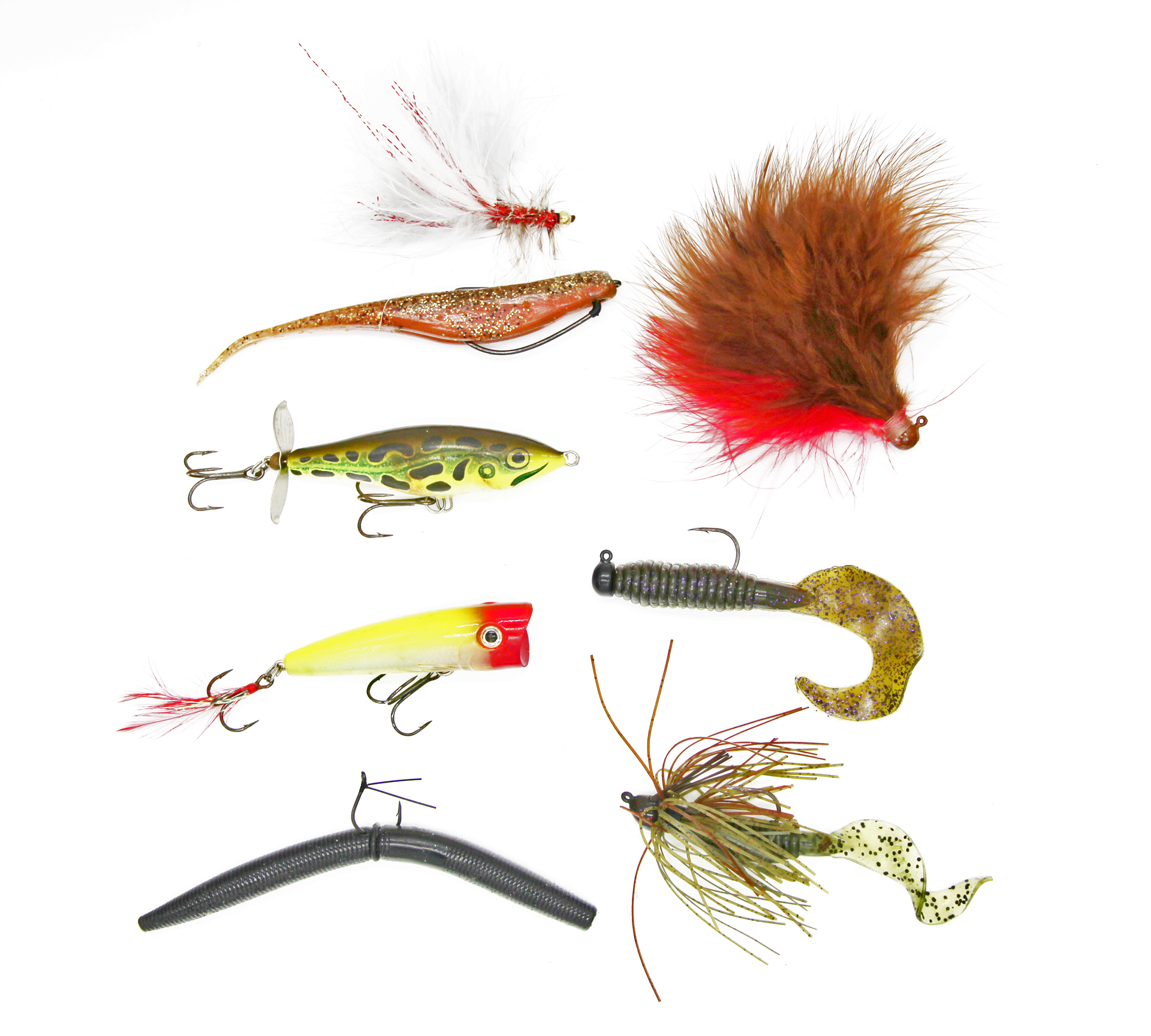
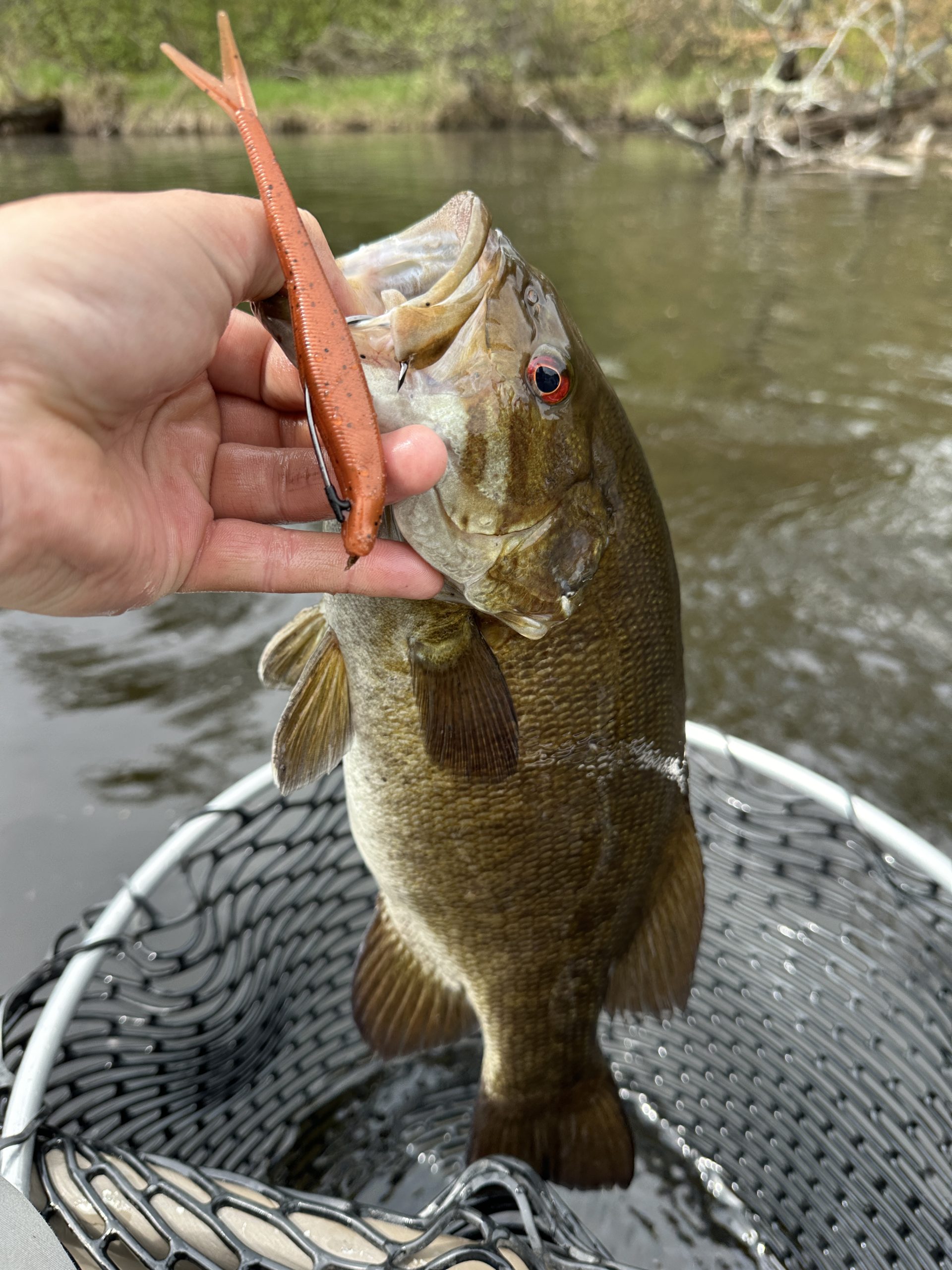
By now, you’ll want to ease up on weight and lighten up the presentation. If your lure can hang higher, longer in the strike zone, that will be a plus, too. Fluke minnows, swimming grubs, stick baits, and topwaters in the popper and prop-bait styles become my go-tos.
In high water, crankbaits in craw patterns are deadly in spring schooling and staging situations. My favorites are Rapala DT-4s and size-5 Crankin Raps, and Bandit 100 Series worked with my St. Croix Legend Glass (LGC72MM). Action can be fiery and fast before fish become conditioned to them. Every current break becomes a casting target until water levels recede.
Bottom baits that include tube jigs (“stupid” rigged), finesse football jigs, craw worms, and creature plastics are irresistible when fish are nearing spawn and confined to current breaks, eddies, and deep pools with rock bottom. You’ll also turn to these baits once smallmouths become conditioned to more aggressive lures. Never float a river without a handful of 1/4-ounce Strike King Bitsy Bug Jigs, packages of 5-inch Chompers Hula Grubs, and twin-tail grubs rigged on a 1/4-ounce football head or weedless bullet rig head.
I work all my jig baits with MHF (medium-heavy power, fast action) rated spinning rods at minimum. The 7-foot St. Croix Legend Elite (ES70MHF) gets the nod. I spool this setup with 15-pound Cortland Master Braid and 10-pound leader.
If high water persists into summer, cut through the current with swim jigs and spinnerbaits. Fishing both search lures with 20-pound Cortland Master Braid and 12-pound Cortland fluorocarbon leader is better than with mono or fluorocarbon main lines, because it doesn’t stretch. Hooksets will be more powerful with braid as a result.
I fish 3/8-ounce 3G Smallmouth Solutions swim jigs with assorted craw and paddletail trailers. My jig color of choice often revolves around brown and craw-like colors. Make sure the trailer color-coordinates to the jig and skirt color.
You can be among the first to get the latest info on where to go, what to use and how to use it!
Then, 1/2-ounce spinnerbaits with double-willow blades, such as Z-Man’s Sling BladeZ, can be fished quickly through deeper holes and current without blowing out. While I favor working spinnerbaits with Colorado or Indiana blades into the calmer near-shore structure and slack water, you’ll want the deeper-penetrating, double-willow blades instead. Fish both with a 7-foot 1-inch, MHF rated rod such as St. Croix’s Legend Tournament Bass “All-In” (LBTC71MHF) or Avid casting (ASFC70MHF).
Later in the year, the same high-water conditions and spots (deep holes) fish well in September and October. We revert to the same crankbait and bottom bait presentations that produced heavily in spring. Through the river’s deepest holes—up here in northern Wisconsin, a deep hole is anywhere from 4 to 8 feet—shallow divers such as rusty crawdad Rapala DT 4s and 6s are best with a medium-steady retrieve. Just as effective, square-bill crankbaits including Rapala Crankin Raps (05) and Bandit 100’s generates considerable fish interest.
Cast crankbaits upstream and horizontally through holes. As your lure dives deep into undercurrent benthic zones, and bangs away at the terrain of the hard bottom, you’ll potentially catch several fish holed up together.
Low-water smallmouth strategies
Unlike during high water years, low-water-year smallmouths can be roaming anywhere. This can make river systems challenging.
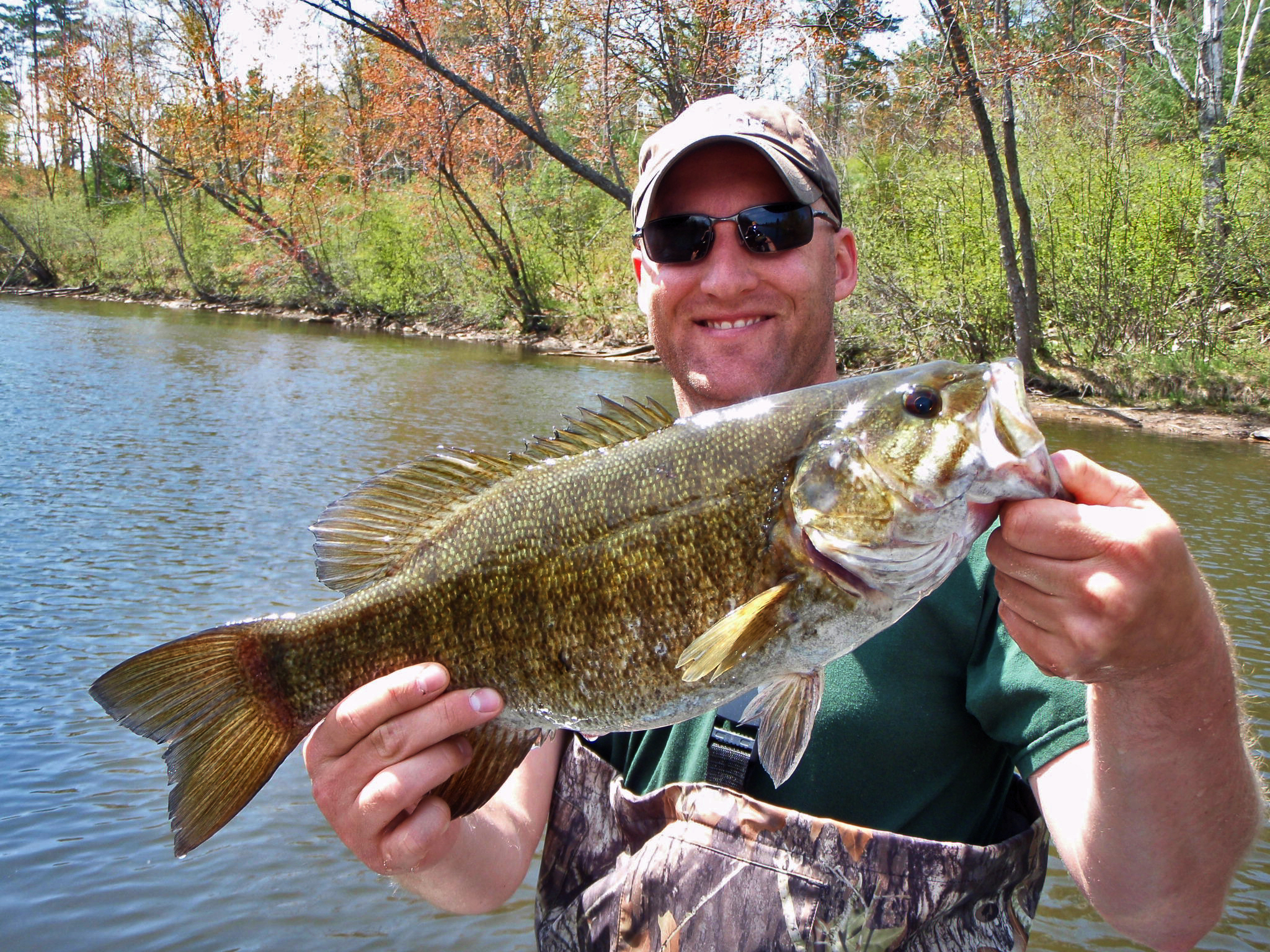
Several springs ago, I floated one of my pools with Jacob Saylor. The river that May was a clear-water, skinny-water situation in which smallmouths were spooking because of low water and high visibility. There was next to no current present in the system.
These conditions reduced the number of available fish to catch. With smallmouths dispersed throughout the river and at random, weightless fluke minnows, swimming grubs, and topwaters launched across mid-river were catching fish from no-man’s land.
Saylor, at one point, even pulled out his 6-weight fly rod setup and proceeded to catch big smallmouths drifting wooly buggers, Clousers, and other assorted streamers through the deeper holes and what little current was able to push them through. If we even attempted to target the edges of exposed boulders or log jams, or eddies, the fish weren’t to be found. This trip was one of the rare times a weightless streamer on the fly rod outfished all conventional tackle on the river.
Low water like this is not the norm in spring, and if it persists through summer and into fall, you can expect drought-like conditions to establish and destroy anticipated fall migrations.
Throughout the summer months, smallmouths disperse throughout the system and will not concentrate again until fall. Some days, you might have to cover miles of water for a respectable catch.
Since you’ll have to cover lots of water, throw search baits. I love walk-the-dog, popper, and prop-styled topwaters from June onward. Rapala Skitter-Vs (walk-the-dog), X-Rap Pops (popper) and Skitter Props (prop bait) are the only three I ever need. In the low, current-less, skinny water, mono main lines are just fine. I run low-stretch 12-pound on some MHF casting setups, and 20-pound Cortland Master Braid with mono leader on others.
With either style, cast and let the marginal current aid you with retrieve speed and cadence. Pause a few seconds in between each pop or jerk. The more water being pushed, or greater the commotion, the better fish feedback you’ll get. In calmer flows, smallmouths are adept at tracking a topwater or fluke minnow and are ready to slam!
If low water level persists into the fall months, find the deepest downstream holes available, or abort the mission entirely. In truly low-water events and droughts, I’ll go further downstream towards the mouths of flowages where pre-wintering smallmouths could be entering into the system, and we’ll camp over those regions.
River water levels and currents control your everyday fishing style, navigation and approach to spots, and strategy. How you react to it in high or low, fast or slow conditions will correlate to your catch rate.

Did you enjoy this post?
You can be among the first to get the latest info on where to go, what to use and how to use it!