
Forest Through the Trees
Nine-year-old me was given names of the trees that were on the streams and in the fields that my dad and I often frequented. Decades have passed since my tutoring of which tree was which, and which leaf and which bark went along with Wisconsin’s wonderful trees.
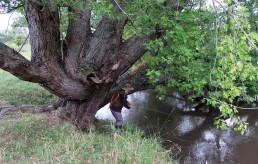
I have long ago forgotten my lessons from my father, but I still like to know my environment and what forest I am walking through. I do remember one thing very vividly. The roots of maple and oak trees are perfect hiding places for big trout.
Wisconsin’s most common tree is the sugar maple. They can live up to 300 to 400 years old. I have caught many large brown trout in the root systems of sugar maples on one of my favorite streams. The bark is very unique, and also the leaves. The tree’s leaves are the easiest way to tell what type of maple they are.
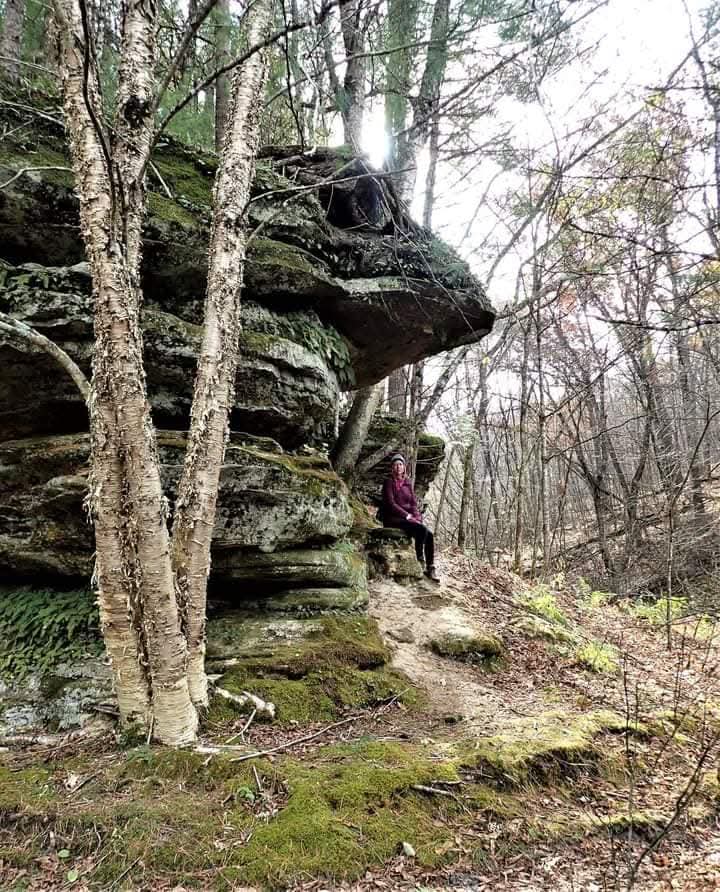
One of our most unique trees in Wisconsin is the birch tree. I have identified a couple different types of birch trees over the years. When identifying birch trees, you need to wait until they are considered mature to tell from the bark.
My father and I quite often hunted for squirrels and grouse. I would be in charge of picking up nuts to take home for my mother to bake with. The most common tree in our hunting area was black walnut. The bark is very deep, and once you have seen a black walnut tree, you will always remember it. The same goes for shag bark hickory.
My mother particularly liked cooking with butternuts. They are sometimes called white walnuts. The bark does not look similar at all to a black walnut. The black walnut is rounder, and the butternut is more football-shaped. (In 1967, a blight killed most of the butternuts in my area.) I wore a coat with many pockets. The big pockets were full of butternuts and walnuts, and the hickory nuts were in the smaller pockets.
You can be among the first to get the latest info on where to go, what to use and how to use it!
When I got home, it was my job to crack all the nuts and get out the meat for the delicious desserts that my mother would make with them. It was quite a feat to get them out into big pieces. My dad bought me a fancy nutcracking kit with picks for Christmas. I can almost taste my mother’s banana bread with butternuts.
There are many trees that I did not talk about in this article. It was part of my growing up to learn what trees look like, and their fruit. It is a part of my Wisconsin outdoor heritage.
Paper birch and yellow birch are common to my area that I hike and fish in Wisconsin. The paper birch is more of a white, smooth bark, and the yellow birch looks like they are shedding their bark. The swamp birch and yellow birch have similar bark. You would have to see them in person to actually tell the difference.
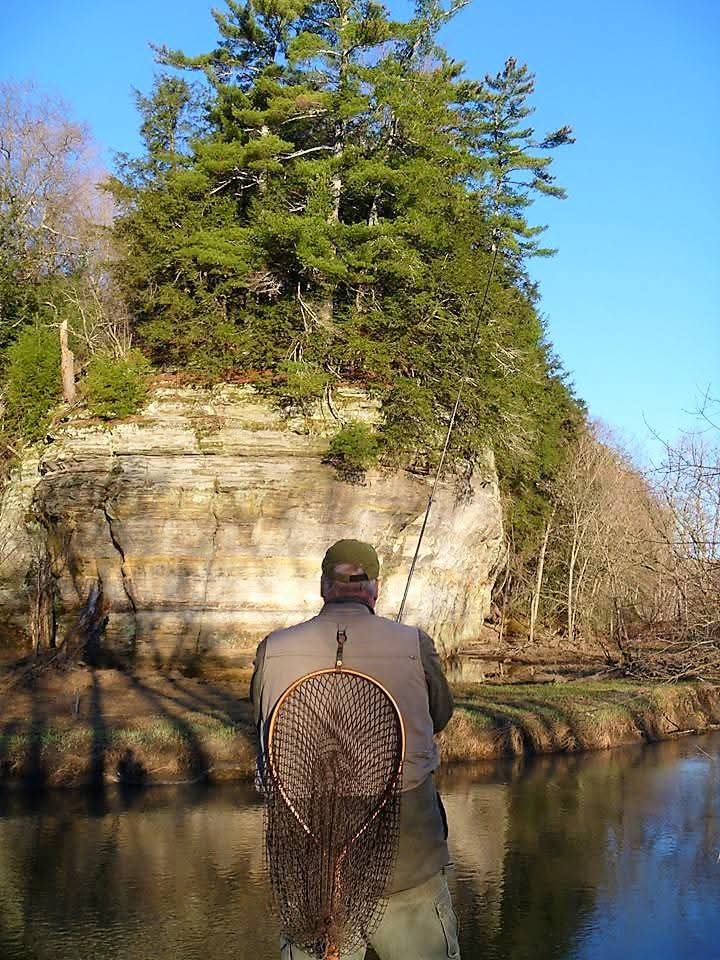
The white pine never ceases to amaze me when it grows out of one of my rock bluffs along my streams that I fish. I was not introduced to this type of tree by my father because we chased trout more on the west and southwest side of Wisconsin.
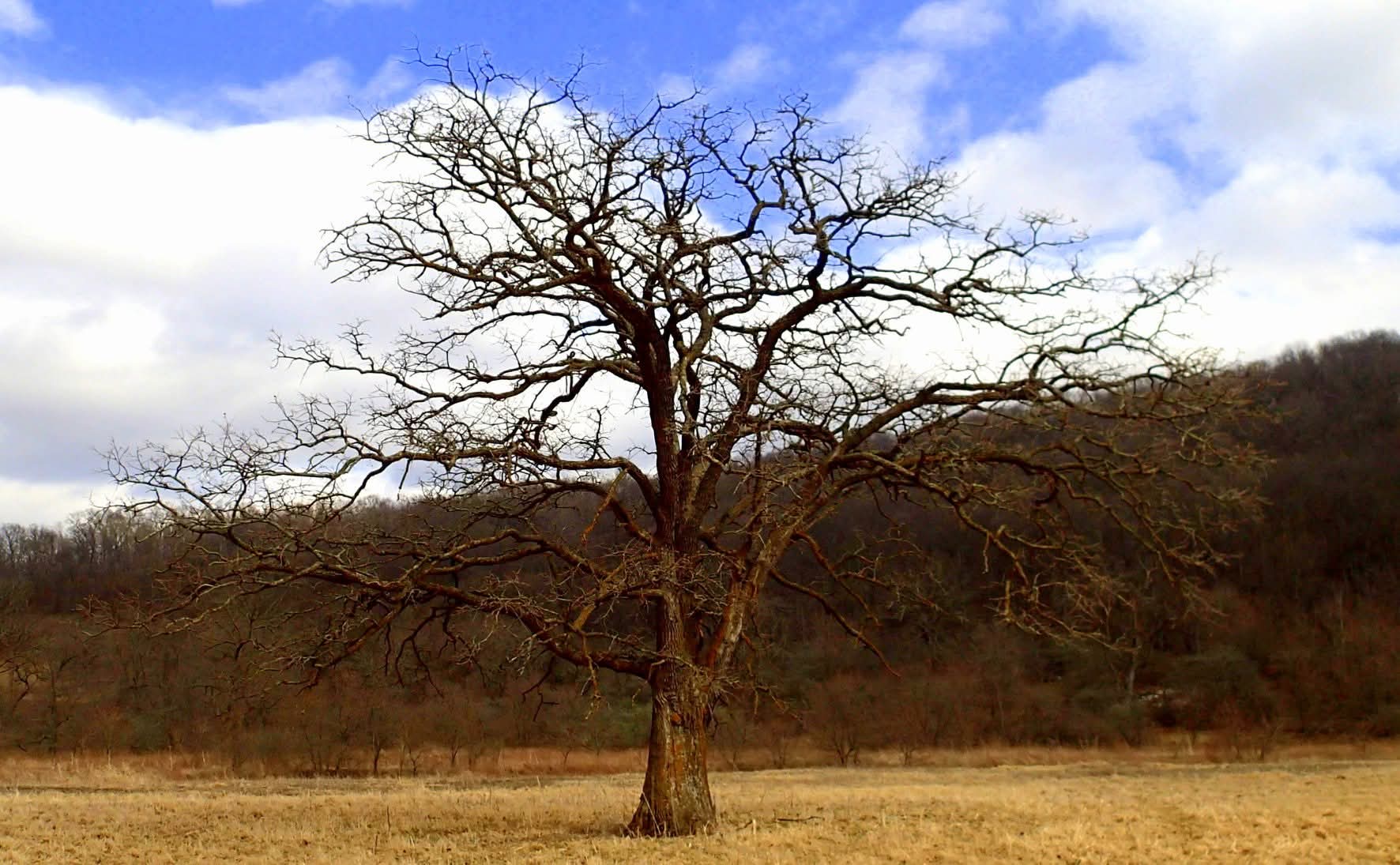
My favorite Wisconsin tree is the birch, with the oak coming in a close second. There are quite a few different types of oaks that are over 400 years old in Wisconsin.
My father loved big trees and would always attempt to identify each as we walked by them. He left me in 1967, so I have to find my own means of identification these days. Don’t just walk by these beautiful giants without giving them a name—please.
Did you enjoy this post?
You can be among the first to get the latest info on where to go, what to use and how to use it!