
Drift Jigging the Spring Walleye Run
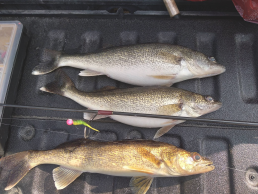
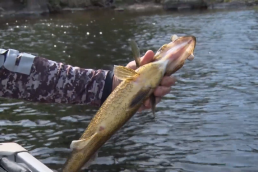
My first fish of the 2025 spring walleye season was a big surprise! Instead of just feeling a weight on the line as I lifted my jig off the bottom, the small male walleye smacked it! I set the hook and reeled in a solid, 14 1/2-inch fish. Not a bad way to start off drift jigging the Wolf River spring run!
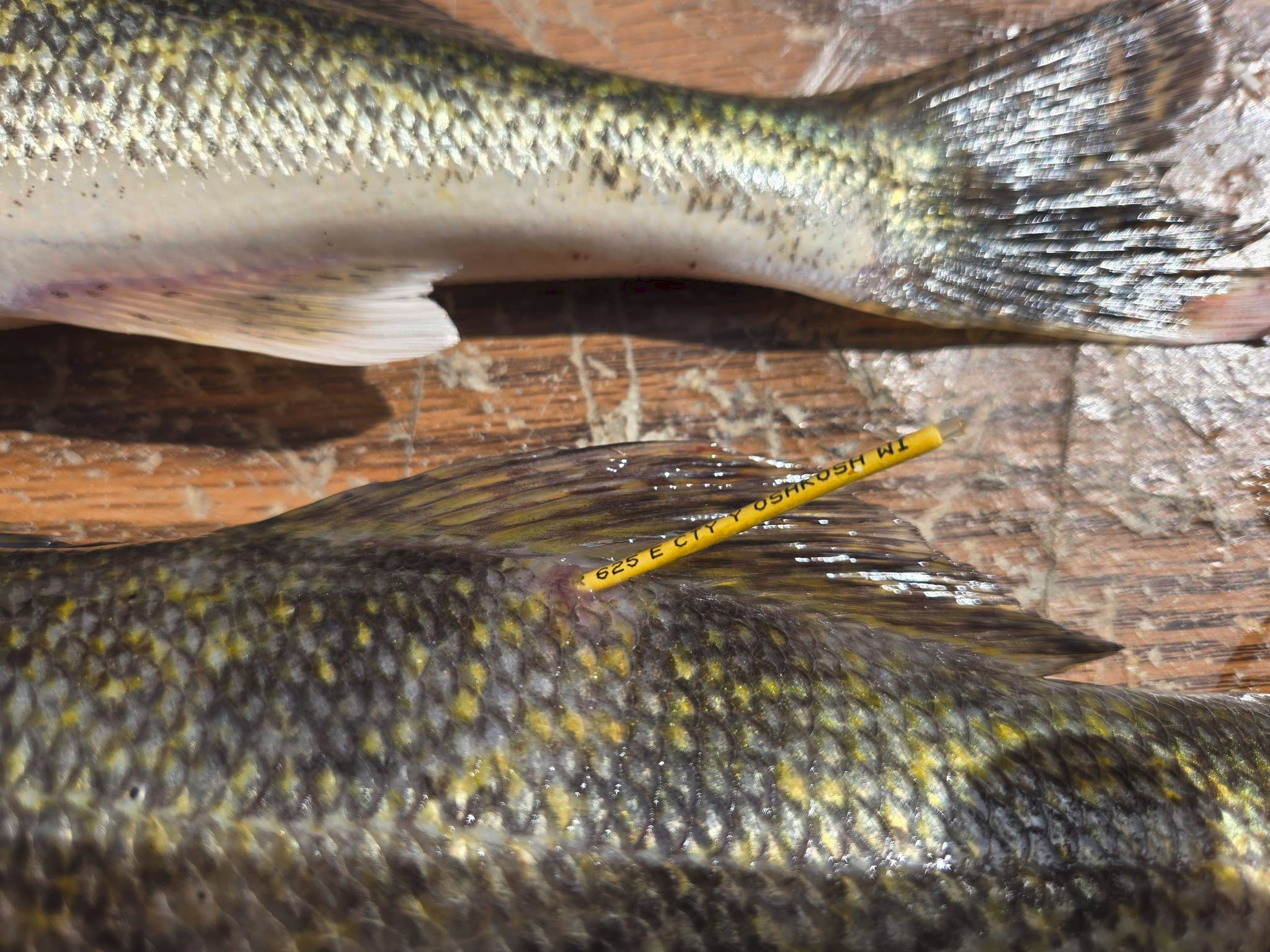
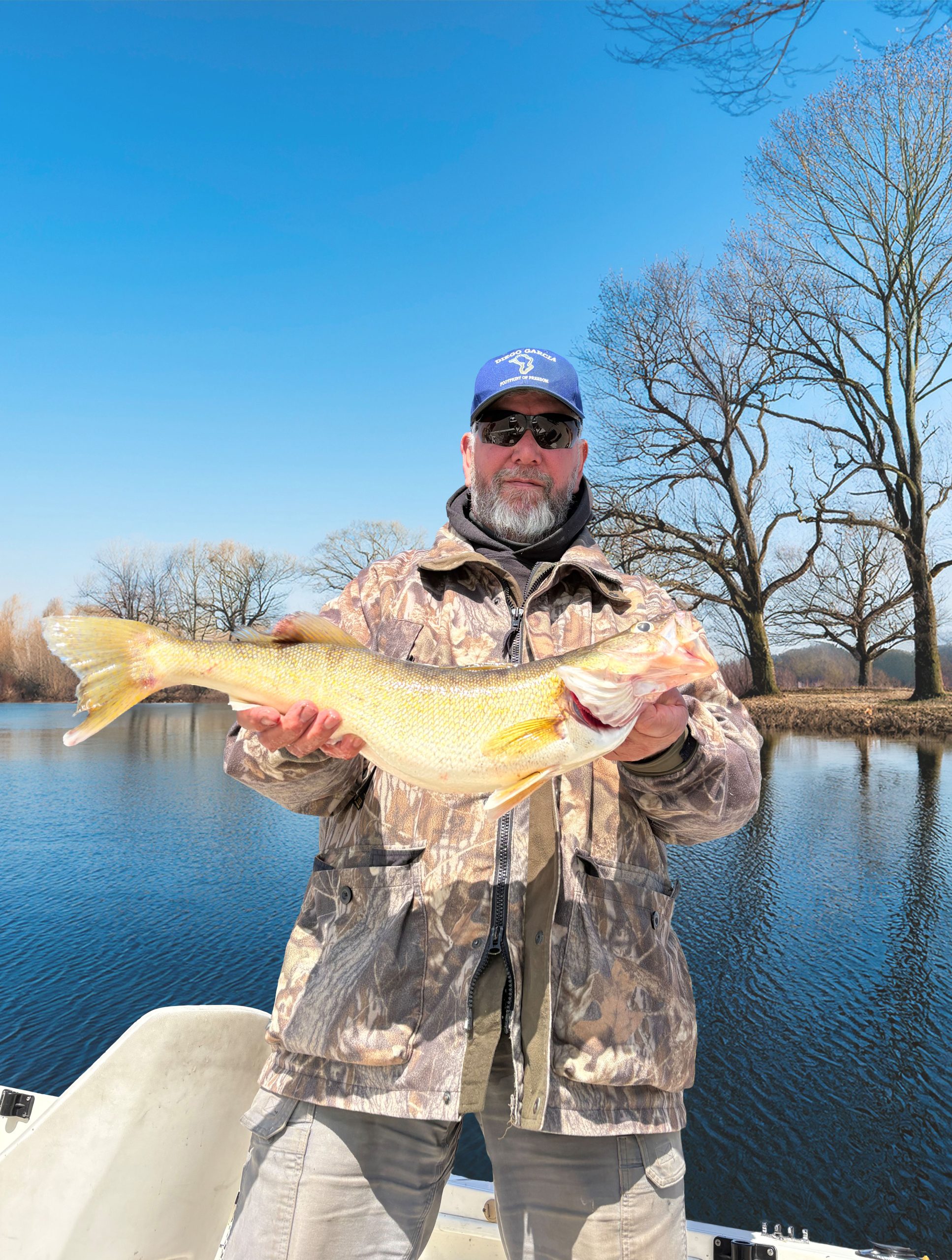
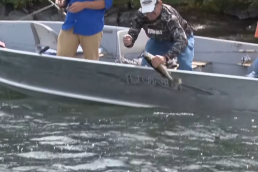
We finished with six keepers that day and released about the same amount. All were the small males that make up the first part of the run. The larger fish (females) tend to show up during the last week or two of the run. The 2025 season also produced my first tagged walleye—a 19-inch male—and a wall hanger of just under 27 inches for my cousin Jim.
One of the benefits of surviving a Wisconsin winter is the spring walleye run. All the main river systems in Wisconsin have a spring walleye run. The Rock, Fox, Oconto, Wolf, and Mississippi all have spring runs. As the water warms toward the 40-degree mark, the warmer temperatures trigger walleye movements upriver to spawning grounds. I mainly fish the Wolf/Winnebago system, but the same drift jigging tactics work for any spring run, on any river.
Where and when to fish: Walleyes spawn when the water temperature reaches 40 degrees, and spawning mainly occurs at night. Fish are constantly on the move. For example, the tagged walleye I caught was tagged 63 miles from where I landed him.
Cattail marshes seem to be preferred Wolf/Winnebago spawning habitat. During daytime, walleyes hold in deep water near the marshes. As an example, one of our most dependable spots is a trench of 16-foot-deep water, flanked on both sides by cattail marshes. Walleyes hold in the trench, while others stage in deep holes and structure in the river. Schools of walleyes come and go, but certain areas with structure tend to hold more fish than others. I suggest getting a good contour map of the river bottom so you can find and mark the deep water and fish-holding features near the spawning marshes. This will help you to eliminate stretches of non-productive water.
Boat control is essential when drift jigging. Make sure your electric motor batteries are charged up and your sonar is working. Typically, you are working with varying amounts of current and wind. Controlling a boat with good current flow and a crosswind can be a real challenge. Working bottom structure that holds fish is a hit-and-miss proposition at best unless you can follow bottom contours and work deep holes.
It’s also not uncommon the have 20 to 30 boats all drifting the same stretch of water at once. You may have to move in and out of boat traffic, and boat traffic on the Wolf resembles a busy freeway at times. Your electric trolling motor allows you avoid boats that may have anchored in the river and maneuver to, in and around hotspots. If you have the “Spot-Lock” GPS feature, use your electric motor to position fish a specific area. Position fishing a hot spot (if boat traffic allows) can work wonders!
You can be among the first to get the latest info on where to go, what to use and how to use it!
Targeting your drifts: Watch your electronics and take note of the bottom structure below and landmarks on shore when you find fish. If you drift areas that look good, but are not getting bites or marking fish, look elsewhere. I have a theory that a lot of boat traffic will push fish out of an area temporarily. If a crowd moves in, and the fish seem to move out, try that spot again later. Sometimes, a school of walleyes will move into a spot that was formerly devoid of fish.
I remember drifting a stretch without a bite, only to go back and drift it again later—and boat four keepers! Often, we will drift to a certain spot, hit fish, then motor back upriver and repeating the drift. We find ourselves narrowing down to drift a stretch of river maybe 100 yards long, repeating the drift five or six times. One memorable trip in the 2022 season, we took three limits out of a stretch of river less than 150 yards long. After a few non-productive drifts, move on to another spot. The same spots seem to be good from year to year; keeping track of them on a map or with GPS way points is a good idea.
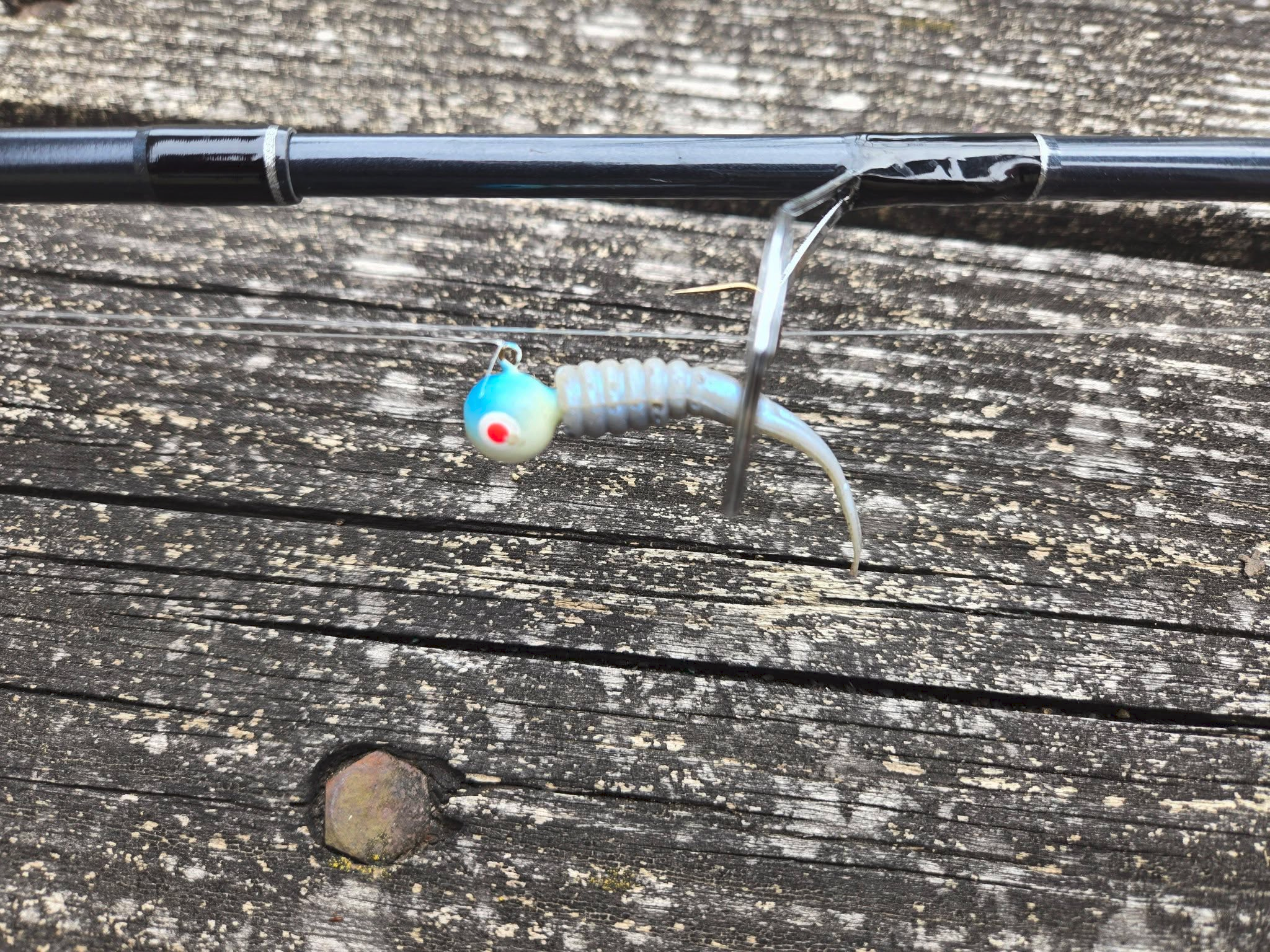
Tackle and baits: We use 6- to 6-1/2-foo,t medium-action spinning rods with 6- or 8-pound-test line. A 3/8-ounce jig tipped with a minnow seems to work the best. The minnow attached can be a large fathead, rosy red, shiner, etc. Bring lots of jigs along, in various colors, as you will lose more than a few on snags.
The secret of success for drift jigging is keeping contact with the bottom. I never raise my jig more than a foot off bottom. Chartreuse, pink, orange, red, and yellow are classic walleye colors; hot pink and blue/white jigs are personal favorites. During periods of fast water and lots of current, I always use a minnow on a jig. If you want the jig to fall more slowly, use a bucktail jig, or add a plastic tail. A plastic tail gives the fish a larger target and allows fish to mouth the bait.
As the water warms and spawning is over, I’ll bait up with a half ‘crawler. I am not a big fan of adding stinger hooks, as they injure smaller fish. Early in the season, a bite will simply feel like weight on the line. Later on, look for more aggressive strikes.
Another productive setup is the classic Wolf River rig: A drop-shot rig that features a 3-way swivel, a dropper line with a heavy bell sinker, and about an 18-inch leader with a baited hook. Wolf River rigs have been catching fish for well over 100 years! Drifting with a Wolf River rig fished as a deadstick over the side of a boat has saved many spring walleye trips.
If you find walleyes stacked up in an area, anchor and try bait walker rigs. Use a 3/8-ounce slip sinker with a minnow on an 18-inch leader, slowly worked along the bottom. Again, most times the strike will simply be a twitch of the rod tip. Point the rod tip at the fish, giving it a little slack and time to inhale the minnow before setting the hook. As the water warms and the spring run comes to a close, the walleyes seem to prefer nightcrawlers and leeches over minnows. Other species like white bass and catfish start showing up. We have also landed pike, saugers, crappies and even rock bass.
Tips: I suggest fishing during the week to avoid the mob scenes of the weekends. Getting in early helps; also have your boat loaded up, and ready to launch. Don’t be that guy who is removing his boat cover and loading his boat on the launch ramp. We often call ahead to make sure the local bait shop has minnows.
Releasing large, egg-heavy females is always a good idea. I think 15- to 19-inch walleyes are the best eating fish anyway. When the water warms to over 50 degrees, the walleye run may be over, but the white bass run will be just starting up!

Did you enjoy this post?
You can be among the first to get the latest info on where to go, what to use and how to use it!