
Downrange
Testing the Turkish-Built, Balikli 20-Gauge Magnum Over-Under
With prices in the firearms market going straight through the roof, let’s examine ane alternative to spending the last dime in your piggy bank: Hunting-grade shotguns that are being built in countries other than the United States.
After just completing a review of a three-barrel, set in a very high-grade, stack-barrel, 12-gauge priced at $18,000, changing gears a full 360 degrees took a bit of doing.
Turning to the Turkish-built Balikli over-under that goes by the model name “Unique,” we move well down the price point scale into a much more affordable market.
This company that builds guns out of Turkey is not small by any standards. Balikli guns include double rifles, handguns, varied bolt-action rifles, and variations in self-defense rifles and shotguns. These flexible builds include a wide range of cartridge chamber offerings, a long series of stack barrels, and both pump and gas autos that are sporting types, as well as defensive tools.
Most smooth-bore models offered by this company are designed for hard field applications: for waterfowl or swamp hogs, for example. The stack barrel reviewed here is built with a box lock receiver design, standard selector (barrel) tang safety, and a 7075 aluminum receiver. Wood stock quality is good by way of a straight-grain, Turkish walnut with metal-to-wood edges that’s tight and clean.
The aluminum receiver for carry-weight reduction in the field. This makes for a very slight, barrel-muzzle-heavy gun. I like this as it aids in getting on point faster in terms of my style of shooting. The receiver retains shallow trunnion studs that required additional lubrication when the gun was live fire tested.
General specification measured here in my shop were as follows: The overall length of the 44-inch barreled shotgun was 26 inches with a dry weight of 6 1/4 pounds. Chamber length was indicated to be a 3-inch model 20-gauge, and the choke tube system, numbering six tubes, was designed much like the Beretta thread-forward Mobil system.
The tang safety with a built-in barrel selector was easy to use and did not carry any degree of slop, be it side-to-side or up-and-down. This is a major deal with some guns out of Turkey, including those with American brand names. This problem has plagued me for years in this area of gun reviewing.
In terms of exact specifications, I had to rely on my own observations and measurements for the most part. Hard data over the net and with the gun was light at best. I found close matches to the “Unique” titled over-under, and as such came up with a general price of about $527. No, not a high-end, twin-pipe cannon, but a working gun priced ultra-right for times when most models in double guns have tripled in price of late. Materials, tariffs, and the general condition of open marketing in the year 2025 have currently sent the firearms market into a tailspin, I am sorry to say. How do I know? Because I spent two days pricing guns in four different outlets before starting to write this review.


You can be among the first to get the latest info on where to go, what to use and how to use it!
In terms of details regarding this 20-gauge magnum shotgun, the gun I tested came in at a weight of 6 3/4 pounds dry. Barrel length measured out at 26 inches, less the gun’s 3-inch chambers.
Trigger pull was crisp and lacked any slow with a 3 1/4-pound let-off. This applies to both upper and lower barrels. In terms of the walnut stock, the length of pull measured 14 1/2 inches, with a rough drop at the comb of 1 3/4 inches. The shotgun retains a general overall standard fit that is like the measurements applied to a field grade Remington 870, by example. Basically, the shotgun fits according to my 180-pound, 5’9” body mass.
The shotgun makes use of a basic red, muzzle-installed sight bead with a shallow rib that carries enough steel to make it fit for hard field use application, versus for a trap range or five-stand sporting clays cage.
In terms of the barrel install, the gun makes use of a spacer that is vented between the barrels. Chokes are of the Beretta Mobil design, meaning threads are forward of the main tube body. I have found that, in general, Europe has tied to Beretta-style tubes covering many different brand shotguns. That’s a good idea by those folks, and I wish it had caught on back here in the states. I sell Metro Gun Systems sub-sound shotgun barrels, and it requires me to manufacture a half-dozen different tube patterns across the board in the USA each year when trying to outfit customers’ shotguns.
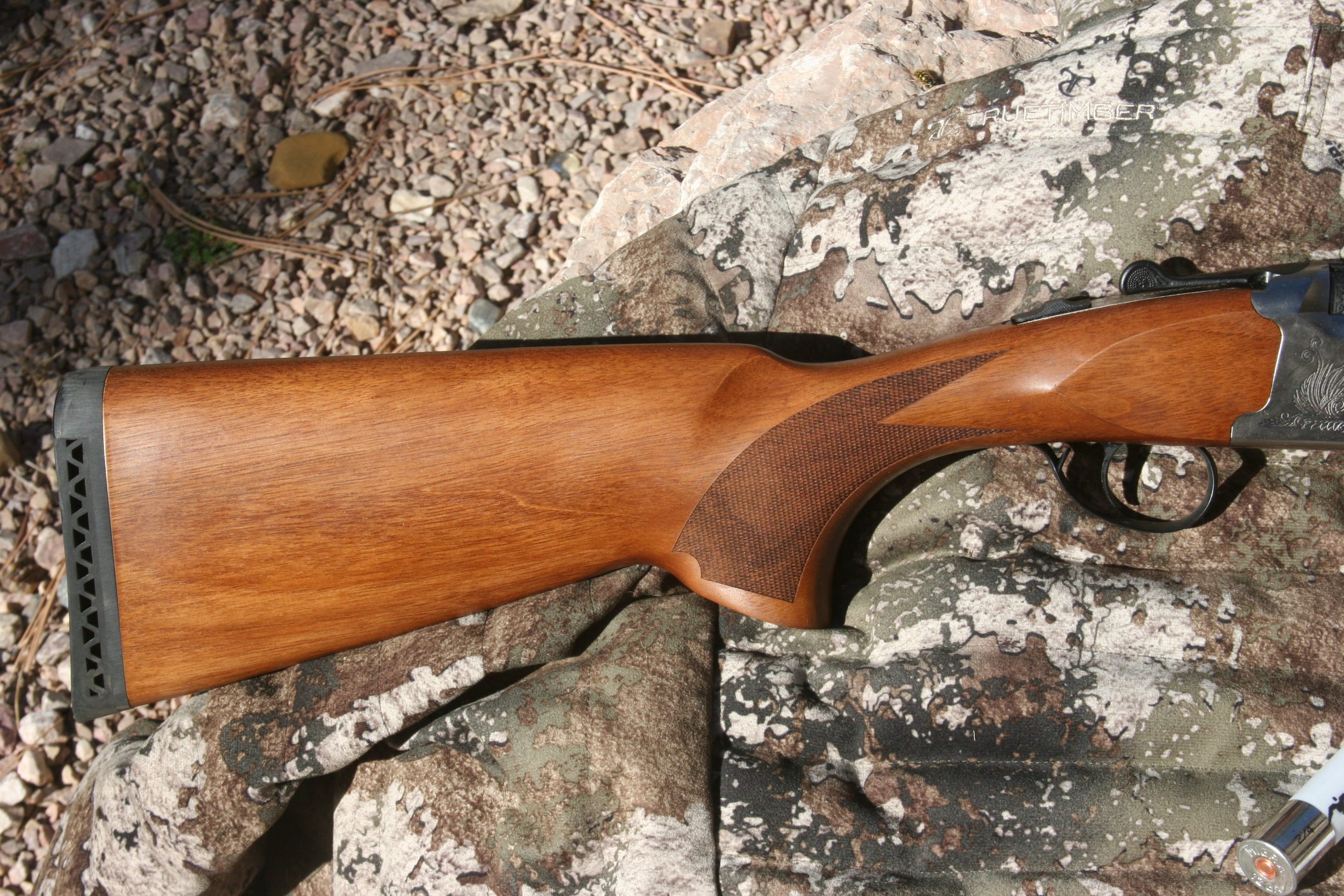
Downrange shooting regarding the Turkish built over-under “Unique” model, presented no issues whatsoever. Considering the very nice Schnabel style fore-end, and a fore-end stock that carried checkering that was extensive and actually worked with soft leather gloves, I was presently surprised.
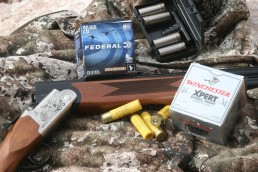
The pistol-grip-designed butt stock also retained workable checkering, and it provided a comfortable fit when I pattern-tested the gun for general barrel regulation (point of impact), and pattern quality at 40 yards. Ammunition used for testing and review included Federal’s new Speed Shok at 7/8-ounce, #1 steel shot duck loads, and Winchester Xpert 3-inch, 7/8-ounce #2 steel.
Choking the shotgun for steel shot use included the screw-in tubes for modified on the lower barrel and improved modified on the upper barrel. This combination for choke tubes reduced the chance of a bridged pellet at the muzzle during payload constriction upon firing.
Shooting the sub-gauge in a 20-gauge bore size was a pleasure. At 85 years young, reduced weight and recoil are always welcome. Not that the big guns don’t have a place; but being the 2- gauge is not classed as a pass-shooting goose gun or coyote-gunning brush gun, taking on standard upland birds fits the bill nicely.
Pattern testing consisted of standard 40 yards shooting by way of the field loads preciously listed. There were no surprises here; the shotgun shot to point with well-regulated twin pipes spot-on-center. Actually, during field testing, the 20-gauge, 3-inch Federal #1s— which produce a 25-yard shot —took out a treed raccoon that with a clean, single shot. The IM choke was employed for that piece of field work.
I cover varmint and pest control shooting for a local rancher in my area, and as such I work over a stream bottom near the house that retains a wide variety of potential warm targets. Give the gun enough time on task, and you will get more than enough chances to warm up a couple of stack barrels while shooting various loads under test.
At this point in time, companies like Balikli, while not a mall outfit in Turkey by any means, has moved headlong into the midrange-priced firearms market. Using lower-cost manufacturing plans, American shooters tend to benefit from these products much of the time. While it is true that getting something fixed can be a bit of a mess at times when dealing with import outfits, in general, when receiving the very same gun that any shooter would obtain from this company, these products have seemed to hold up well in the field during testing. Most test time periods tend to run several months, and these guns get used being pattern boards, clay targets, or fur and feathers.
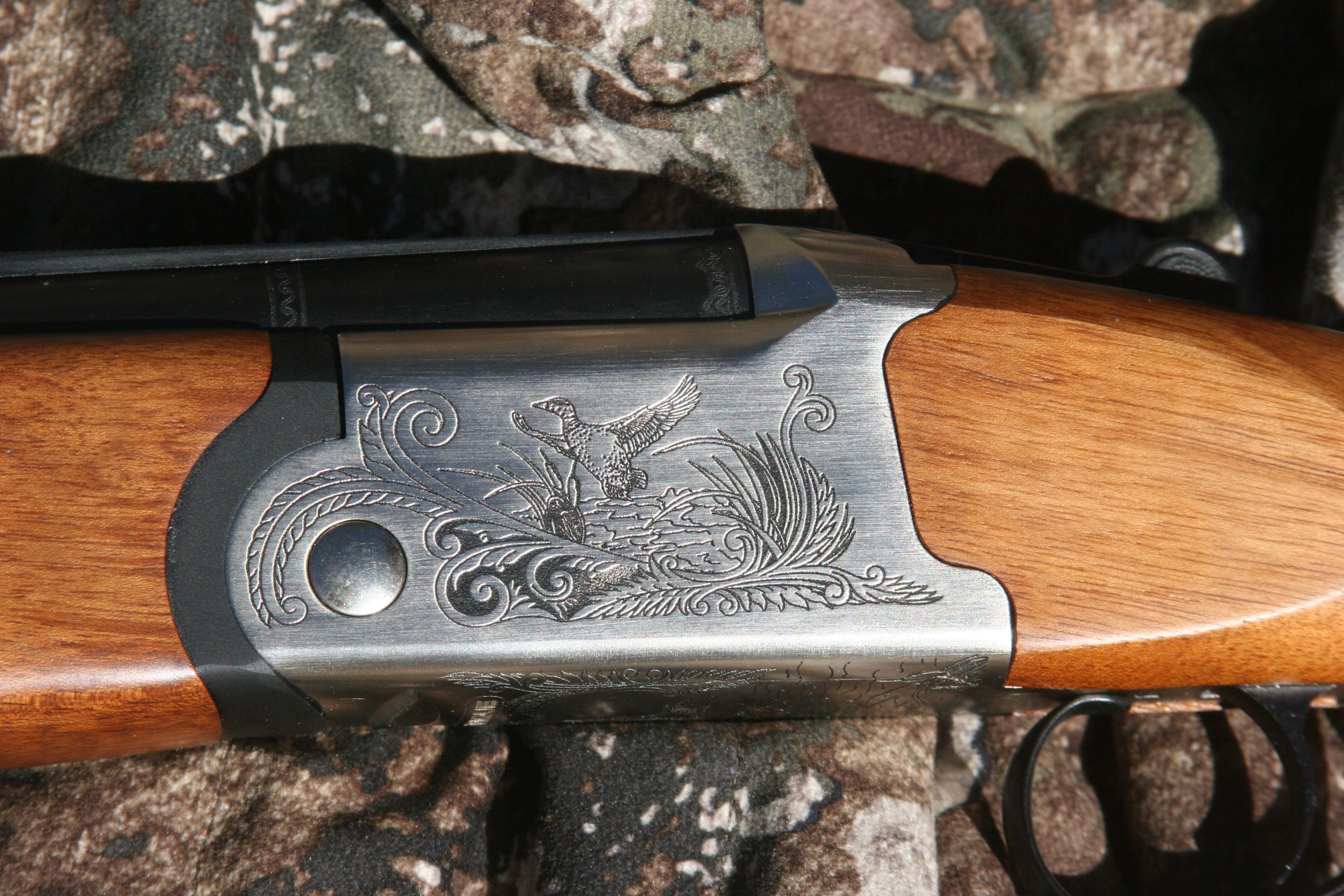
Currently, I own several smooth-bore systems built in Turkey, and one of them actually carries an American brand name. That gun has been with me for the past 35 years and it is still “sending the mail” without a hitch. When reviewing this 20-gauge model offered by Balikli, there is a better than 50/50 chance that I will retain this little shooter myself. With its lightly engraved receiver and clean walnut that makes use of a working recoil pad and blued steel, I am not worried about some general field wear associated with hunting with this shotgun.


Did you enjoy this post?
You can be among the first to get the latest info on where to go, what to use and how to use it!