
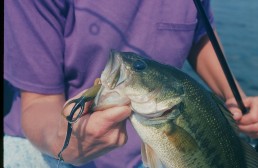
Developing ‘Fish Feel’
Mention the word fishing, and a lot of people describe it as just sticking a worm on a hook, throwing it into the water, and then waiting for a bite.
Many add a bobber or “float” to the rig and figure that when the fish is ready to bite, it’ll pull the bobber under and they “got ‘em.” If that doesn’t work, they may just give up.
But some keep at it and go out from time to time. Maybe not catching many fish, but a nice day for a boat ride isn’t all bad. A lot miss out on the catching part because they expect the bite to pull the bobber under and take off like Jaws towing a barrel.
Unfortunately, that is not how fish usually bite. Here’s where an angler must apply him- or her-self. First, a lot of the bobber-towing fish are not very big and are simply trying to keep the tidbit on the hook for themselves. Usually, better fish take the bait, then start to swim away. That’s when they figure out something is amiss and drop it. The key to success is hooking them before they figure it out.
Moving from shallow-water bobber fishing to other applications and getting better requires thought and decision making. I got my first lessons from my uncle. He was the “King of the Dam” that we fished on summer vacations in Hayward. He fished on the walkway across it, knew where the current seams were, and used a long flyrod set up with a hook weight and float on a leader. With a juicy nightcrawler on the hook, he caught a lot of nice bass.
So, I set my rig like his. And fished the spots that he did when he moved to a new one. I got educated and also caught some bass in the process. My uncle got real corks, then used a single-edge razor blade to slit them and slide the leader through. The cork was almost weightless, and the fish usually took the crawler and started swimming, pulling the cork underwater, but visible. Then he’d create his timetable, counting to ten and setting the hook. Caught dam near every one, too! Developing a feel for the fish was key. I continued to learn the feel, both with live bait and when I switched to artificials and fishing deeper water.
You can be among the first to get the latest info on where to go, what to use and how to use it!
As an example, one June I found myself in Hayward—now as an adult. I hadn’t fished the dam in years but decided to see if anything had changed. That year, the water was seriously high; no way in tarnation could I hold a bait in the normal, lower-water areas of past summers. So, I used a spinning rod and gradually cast further out from the fast water. I found bluegills stacked up on a seam where the current slowed and caught one on every cast. They banged ‘crawlers so fast that any bass didn’t have a chance.
But I wanted bass (largemouths), so the next day was jumbo leech day. When I hit the spot, I could feel bluegills tapping at the leech, but they were overmatched. All of a sudden, there were “thunks,” and it was bass after bass. These fish wanted the leeches and suddenly owned the current seam.
A gentleman who was fishing below the dam walked across and asked what I was using. The next day, we were both there with leeches; me on the walkway and him down below. Later, on his way back across, he thanked me for helping him catch his limit of bass. “But you know,” he said, “I never felt one of those bites.”
Over time, I focused on learning whether I had a bite… or not. While I now use fluorocarbon and braided line, I still use monofilament, which I believe most casual fishermen spool up with. The nice thing about mono is that there is some stretch in it. You can get away with slowly lifting what might be a fish without it dropping the bait. Learn what your bait feels like in the water. If it feels different, set the hook. I have a lot of bass that just suck in a plastic bait, like a weightless Senko stick minnow. I let it sink, then lift it to feel the weight. And to this day, I still catch fish I didn’t know were there.
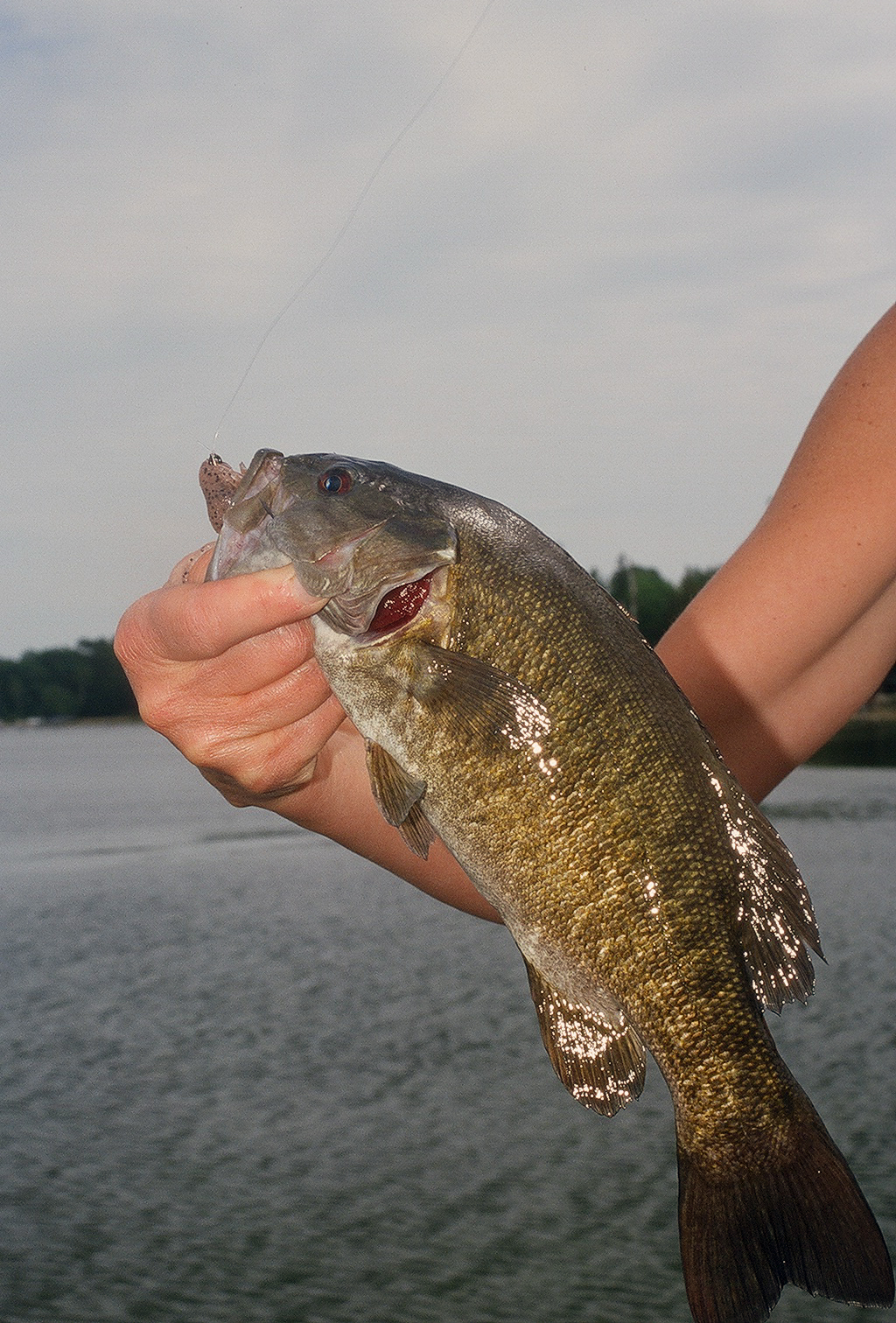
For as much as I have fished, I can quickly visualize several examples where bass tried to knock the rod out of my hands because they hit so hard (three were smallmouth). Even with baits that sink, like jigs or Texas-rigged plastics, fish will mouth the bait. I have had them swim off and didn’t realize it till I saw the line heading in a completely different direction from where I cast it.
To move up the fishing totem and increase your catch, work on feeling the fish bite. It will take determination, and time on the water. The concentration can be a bit draining. But getting five bites in a day of fishing can make a big difference, like maybe five nice bass in the livewell rather than one in the boat, and four you weren’t concentrating on when they picked up the bait. The more you put that into practice, the more you’ll catch. You’ll take pride in accomplishing it, and learn as you do.
Did you enjoy this post?
You can be among the first to get the latest info on where to go, what to use and how to use it!