
Catch Me if You Can
Fishing, to some degree, never changes. Therefore, repetition often ups our odds. Such as why certain fish species favor free-flowing rivers and streams, while others thrive in lakes, reservoirs and ponds. Specific fishes reproduce or remain in certain waters based upon their food sources and habitats. Shallower waters like farm ponds tend to hold bass and panfish, where those species are often be more predictable than those roaming in larger environments.
Unfortunately, fishing isn’t always productive when air temperature drops sharply and wind intensifies, because changing weather conditions have a direct influence upon fish activities. Better times to fish are warmer days with partly cloudy skies and gentle wind.
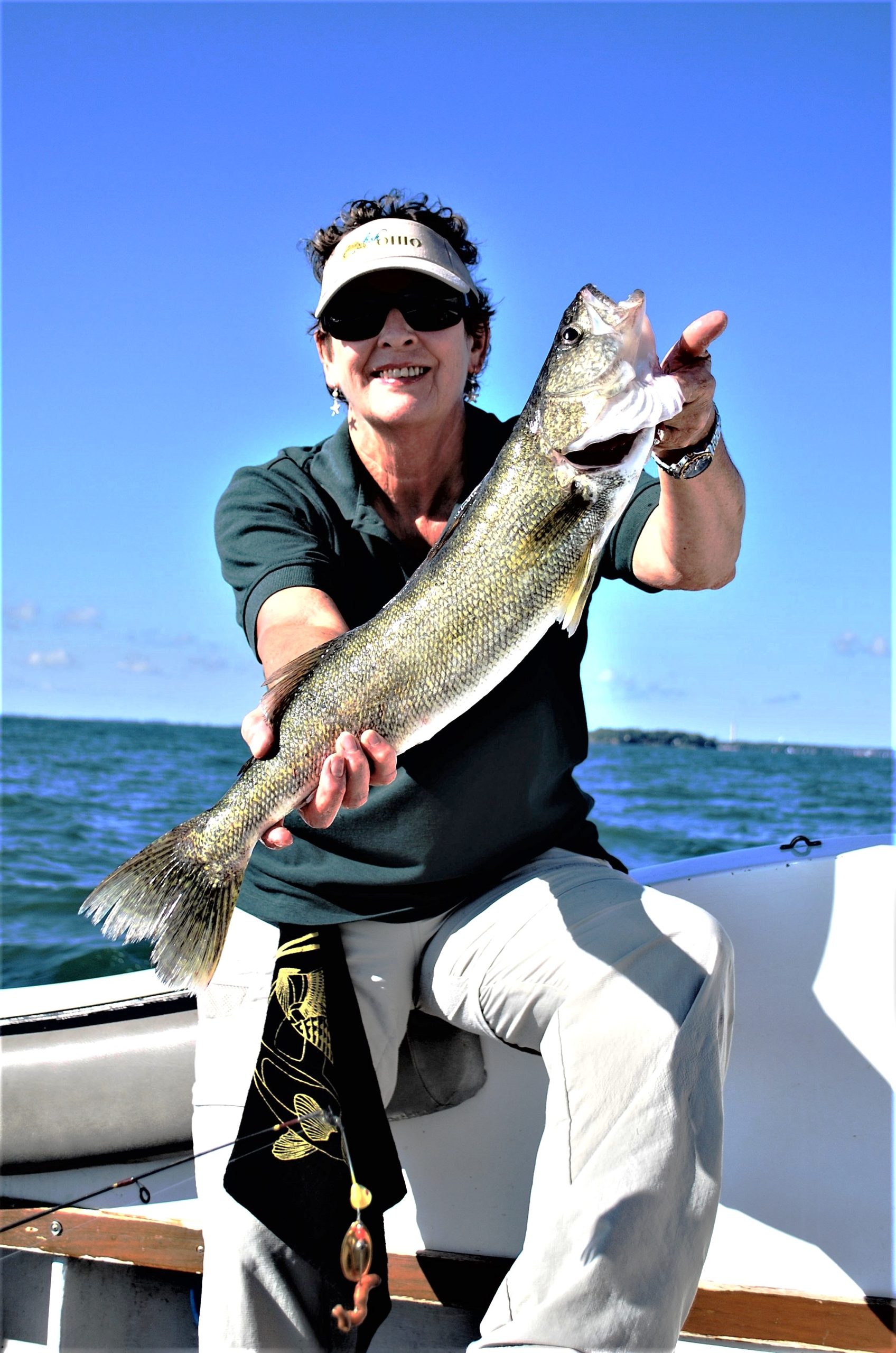
Much like hunting, target fish during early morning and late afternoon. This is especially important on clear, sunny days, when the sun’s rays are most intense. Take advantage of the time frames just before fish spawn, as well as after spawning when they refocus upon feeding.
Watch birds and game animals. When they are most active, fish are usually on the prowl, too. If you fish larger bodies of water frequented by fish-eating birds, watch their activities. Wherever these birds congregate, you will find baitfish. This is a good indicator that prey fish are present and active fish are feeding.
We learn that it’s often productive to start fishing in shallow water and work progressively into deeper underwater contours. Pay close attention to the changing depths, bottom contour and structures, especially if you’re using electronics and/or a topo map. Fish shallower during the low-light hours of dawn and dusk. Equally, when fishing just before dawn, and after dusk, noisy topwater lures produce explosive strikes! Fish also favor underwater transition points anywhere mud bottoms change to gravel. Choose areas where loose gravel bottoms gradually shift to large rock structures. These points are magnets for fish.
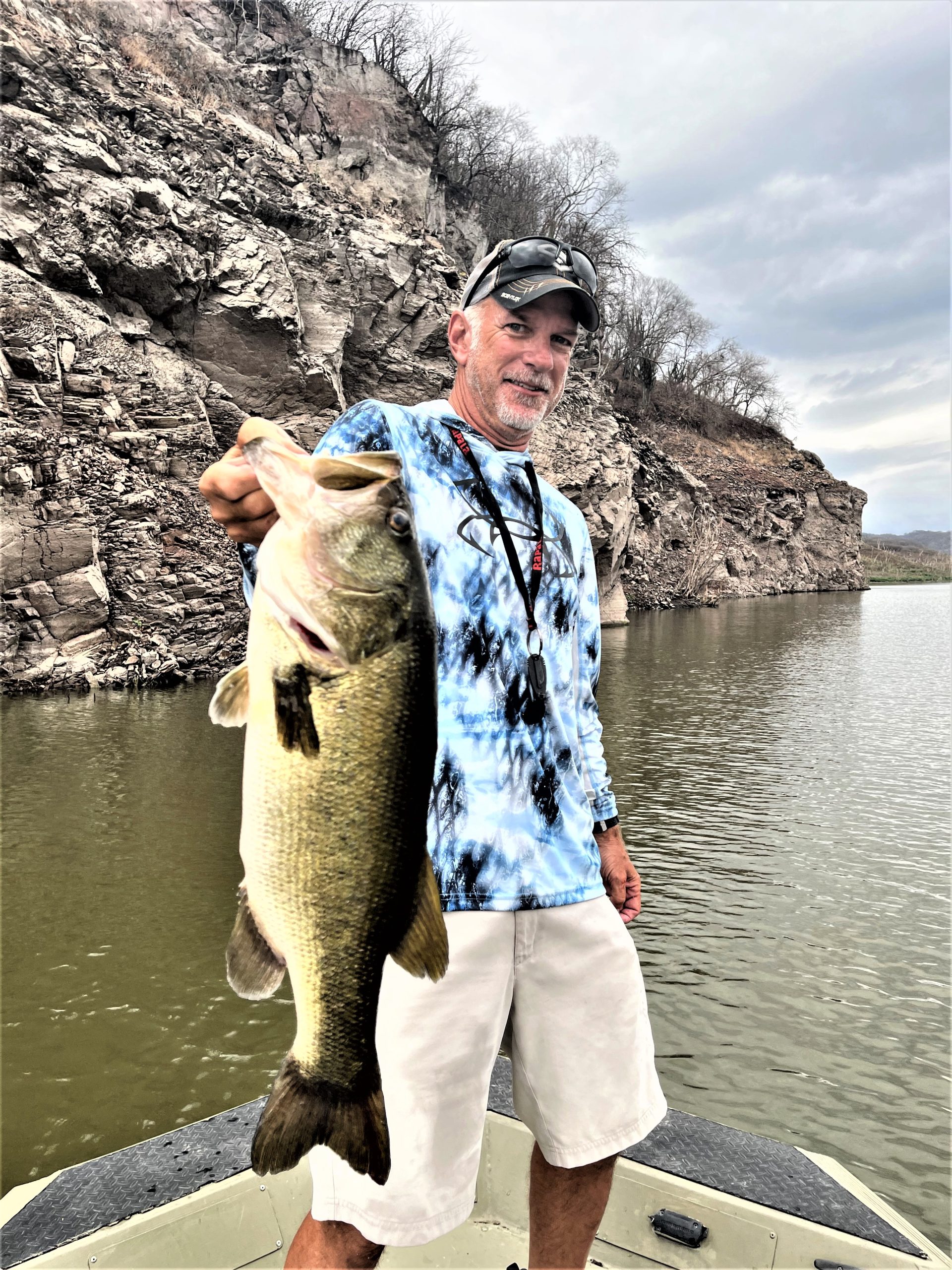
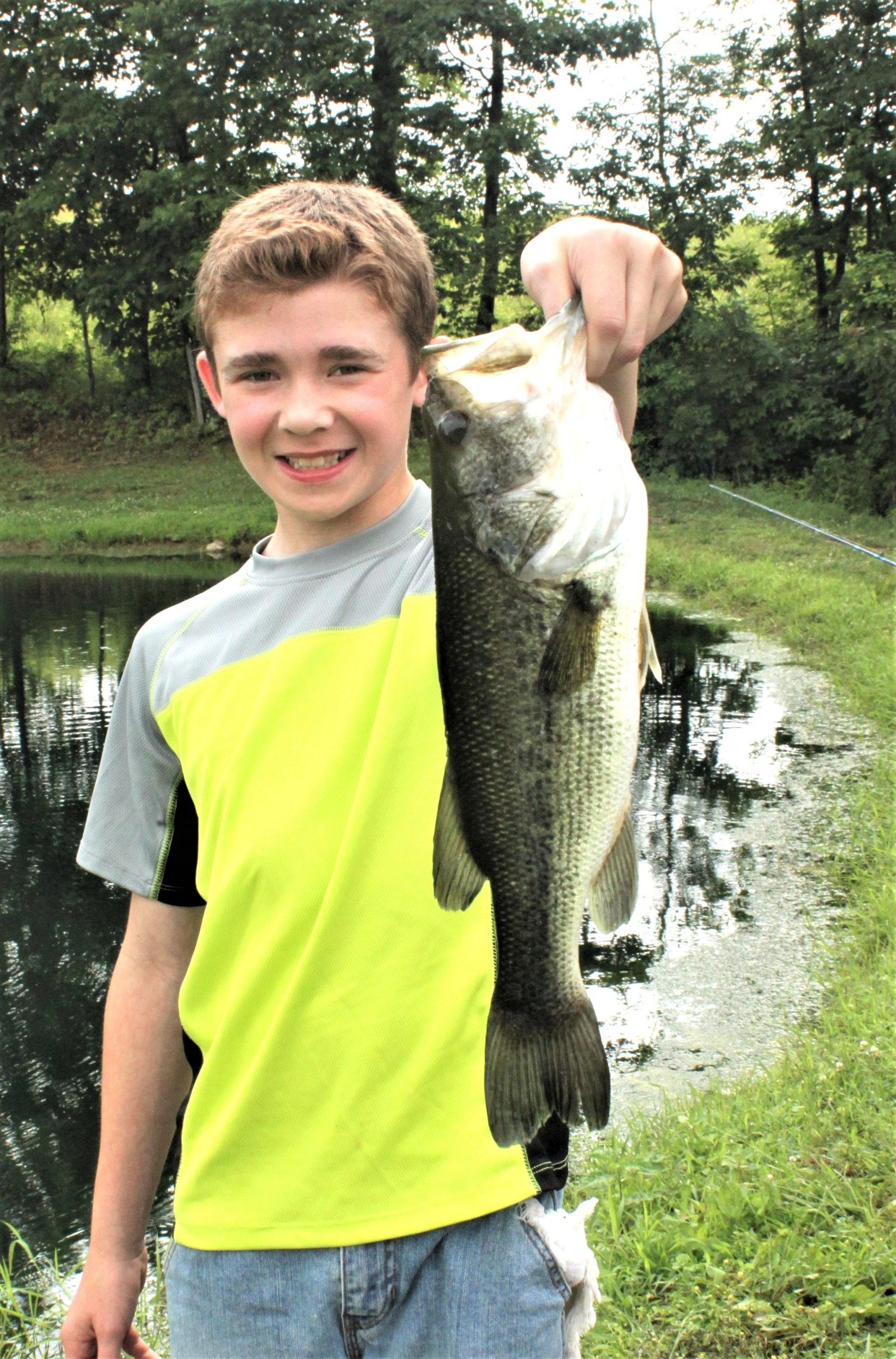
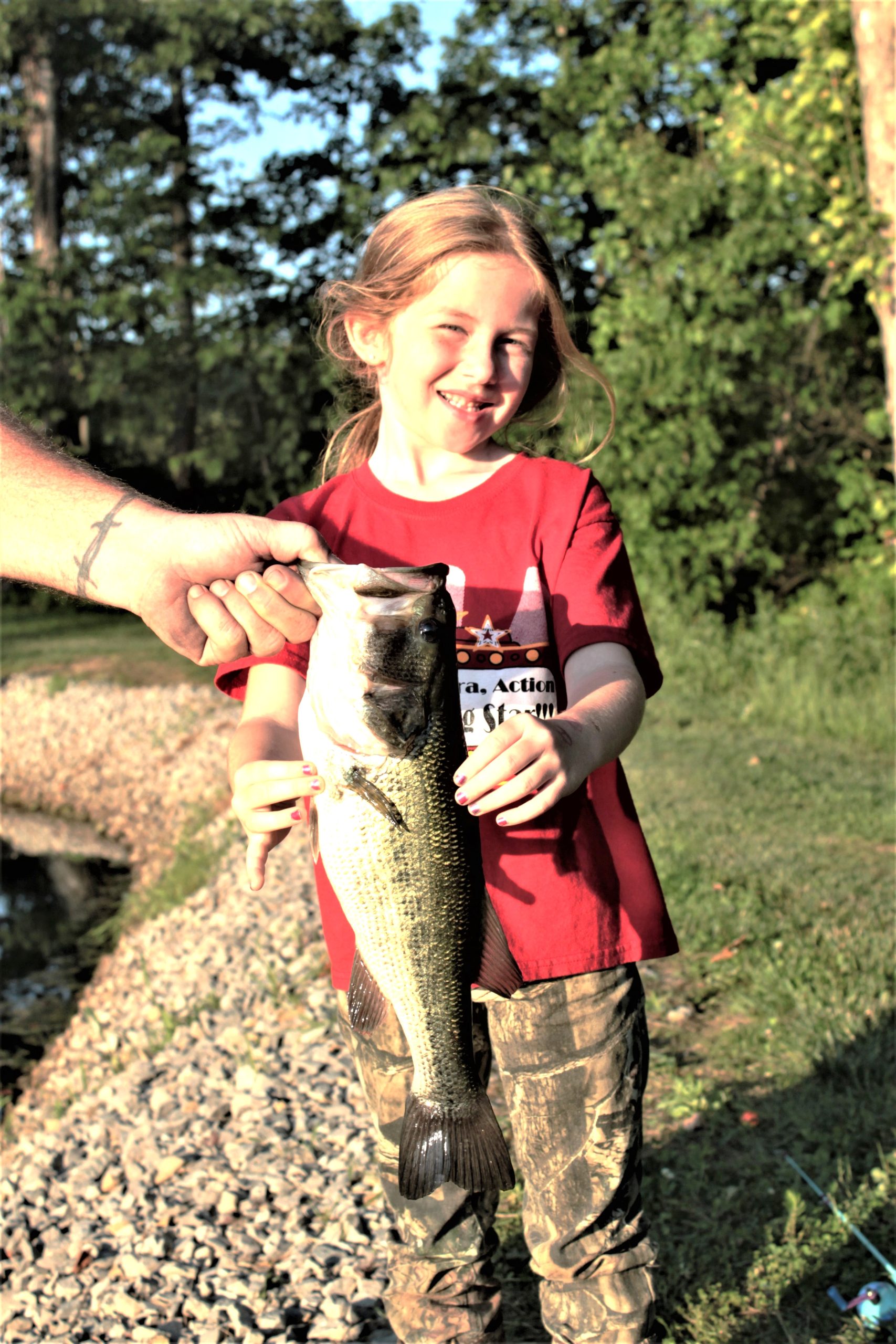
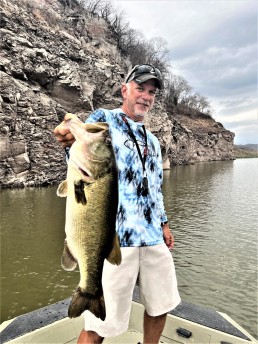
When looking for 2026 fishing goals, it’s easy to believe that if fish could talk, they might tell us, “Catch me if you can.”
Fish undergo changing feeding patterns. When we least expect it, they will explode into a “feeding frenzy”! These periods are typically influenced by the time of year, food source availability and weather. As a rule, cloudy days produce better fishing than intense sun days. And warmer days are more forgiving than colder days. Light-wind days promote more responses from fish than dead-calm days.
There is no question that atmosphere dominates fish activities. conditions can change instantly, such as barometric pressure, wind speed and direction, and ambient temperature. Bright sunshine vs. dense cloud cover; each has a dramatic effect upon any species of fish. The most productive fishing environments typically evolve prior to an approaching frontal system, or after a period of stable weather. The results are usually followed by a falling barometer, rain and a period of overactive weather. A falling barometer renders fish passive, while a rising barometer stimulates fish into activity.
You can be among the first to get the latest info on where to go, what to use and how to use it!
Experienced fishermen learn that cold fronts usually reduce productive fishing. If the wind changes to a northerly direction, temperatures decrease dramatically. Thus, fishing will be less productive until after the cold front passes. Why? Cold fronts usually escort aggressive storms. Their approach can be recognized by overcast skies and vibrant, gusty winds. But, a few days after a cold front passes, fishing improves. Fishermen who become students of the weather learn when to fish and when to stay home. Cold fronts drive fish into deeper waters, or secluded areas of their habitats. They become inactive and are difficult to tease into striking lures and live baits.
When fishing during cold fronts, choose warmer waters. Also, cast to shallower, weedy segments that rim deeper lakes. Use lightweight fishing line and smaller lures. As you fish, retrieve lures slower. Also, when cold fronts are prevalent, fish are more active during midday, often until just before dark. Vertical jigging live baits works well. Fish all types of structures, underwater or at the surface. Fish need to be aroused with slow, right-in-front-of-their-mouth presentations.
Food is a key motivator for all fish. Their existence relies upon obtaining enough nutrition to survive. Fish feeding habits often change daily. Fishermen should learn each species’ food sources and the types of aquatic habitats that attract their foods. It’s equally important to understand this fact for the time of year you’re fishing because food sources will change during the season. Consider if fish prefer live baits, or artificial lures. How should we cast and retrieve? Do we fish at a fast pace, with a slow retrieve, or a jerky, erratic manner? Experiment constantly.
Any fish species requires hideouts for security. Each species relies on habitats that offer “comfort zones.” Clean waters with firm bottoms, suitable temperatures, varying depths, adequate light penetration and numerous types of cover create better habitats. Sandy bottoms that consist of rocks, gravel and weed beds provide improved fishing results. Unfortunately, waters with large areas of mud and silt bottoms are usually not as productive for fishing.
Fish typically shy away from intense sunlight, Therefore, it’s advisable to focus upon deeper and darker water during sunny days. Search for shaded areas with weeds, submerged stumps, fallen tree limbs, or sunken logs that provide shade. Intense sunlight penetrates water into greater depths, especially across open water.
Obviously, habitat conditions dictate fish activities. Use natural elements to your advantage: wind speed & direction, cloud cover and water clarity. Don’t waste time fishing waters power-housed by intense light penetration and strong winds because fish seek habitats just below the points of the sun’s penetration, as well as areas that shelter them from robust winds.
Wind speed and direction are important indicators when determining fish activities and locations. Plus, wind is a natural element that churns the water’s surface, scattering light rays and reducing light penetration over water depth. Murky water pushes fish to shallower waters, where they are easier to catch. Wind also creates and supplies oxygen to waters at varying depth and stirs food sources within shallower water along shorelines, weed beds, and underwater gravel bars and shelves.
Protection from predators is a safety factor for any fish species. Locate pockets of water with depth and versatile covers, such as weeds, underwater structures, and shaded waters. Many fish display schooling instincts to confuse predatory approach. Therefore, when you do score on fish, remain in the area and fish it thoroughly. Fish select comfortable spots and hang out in these zones unless the fish are disturbed and forced away.
Being in the right spots at the right time is crucial. Fishermen usually need to concentrate on locating structures. Structures can be defined as tangible objects or breaks and changes in underwater terrain that attract and hold fish, like drop-offs, rock piles, sunken islands, gravel bar points off shoreline, weed beds, submerged timber & stumps, logs. We can also attract fish to areas by placing nonpolluting debris into water, such as tree limbs and old tires (where legal).
Favored aquatic habitats include rock piles, gravel humps, weed beds, brush piles, around an underwater bridge, dips and rises across underwater flats, and the inside or outside corners of offshore sandbars, just before deeper water. When fishing rivers and streams, look for eddies where fish stage for protection from stronger currents and ambushing prey.
There’s no doubt that successful fishing can be repetitive. Some things remain the same. When waters are clear and sunlit, it’s usually time to fish deeper. But if skies are cloudy and overcast, shoreline edges and shallower depths are fish strongholds. Whenever the wind is abusive and roils the surface, move to structured shorelines and cast into shallower waters, especially over weed beds. Weed beds are fish magnets. Fish gravitate to these feeding areas because they offer cover, shade, concealment from predators, baitfish and ample oxygen levels. Fish feeding moods are dramatically affected by weather conditions and water temperature.
Did you enjoy this post?
You can be among the first to get the latest info on where to go, what to use and how to use it!
