
Canadian Pike: East vs. West
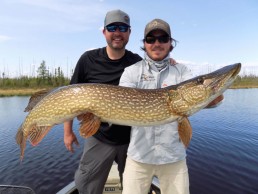
Canada is blessed with hundreds of thousands of natural lakes and rivers hosting gigantic northern pike. Even smaller, remote waters can grow big northerns, given the cool climate, abundance of food, low fishing pressure, and practice of catch-and-release at many far-North wilderness lodges. Pike grow big under such prime conditions, all across the Canadian Shield area stretching from the Minnesota-Ontario border northward, and eastward into Quebec.
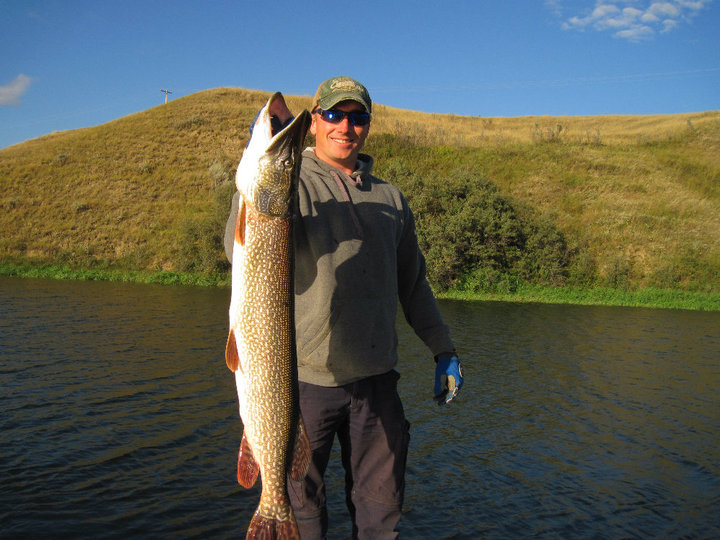
Directly west of this area, however, conditions change. The plains areas of lower Manitoba, Saskatchewan and Alberta are mostly devoid of natural lakes. Instead, large prairies reservoirs dot the landscape. These impoundments resemble and function much like those of the Missouri River system in the Dakotas—just on a smaller scale. In the U.S., Lakes Oahe and Sakakawea are famous for producing northern pike exceeding 20 pounds, so it’s no surprise that Canadian prairie reservoirs like Last Mountain, Diefenbaker, Tobin, and smaller impoundments also grow pike to mammoth proportions.
North of these locales, where the landform turns from prairie to pine-studded wilderness, big pike are plentiful in natural lakes spanning the vast Shield region, functioning much like similar waters to the east and southeast.
As a result, rocky, Canadian Shield waters fish a bit differently than the reservoirs of the central prairies, although big pike still display characteristic tendencies and behavior. Most of the same fishing principles and essential tackle still apply—just with a bit of a twist, given the differences in habitat.
Classic Shield Lake Pike Behavior
Pike spawn in the back ends of shallow, marshy bays from just before to just after ice-out. Fish tend to feed on ciscoes at the mouths of bays, or suckers in creeks flowing into bays and within bays themselves. If suckers are absent, expect pike to feed on suspended baitfish outside bays, and then shift into the back ends of bays beginning in late morning. As the water warms, more fish cruise into the back ends in depths of about 2 to 6 feet of water.
In the morning, casting a jig/softbait combo, dragging or hopping it before a pike’s nose, then pausing, generates strikes from lethargic pike. Fly fishing with large streamers is tough to beat, suspending a near-weightless fly before a pike’s eyes to tempt strikes.
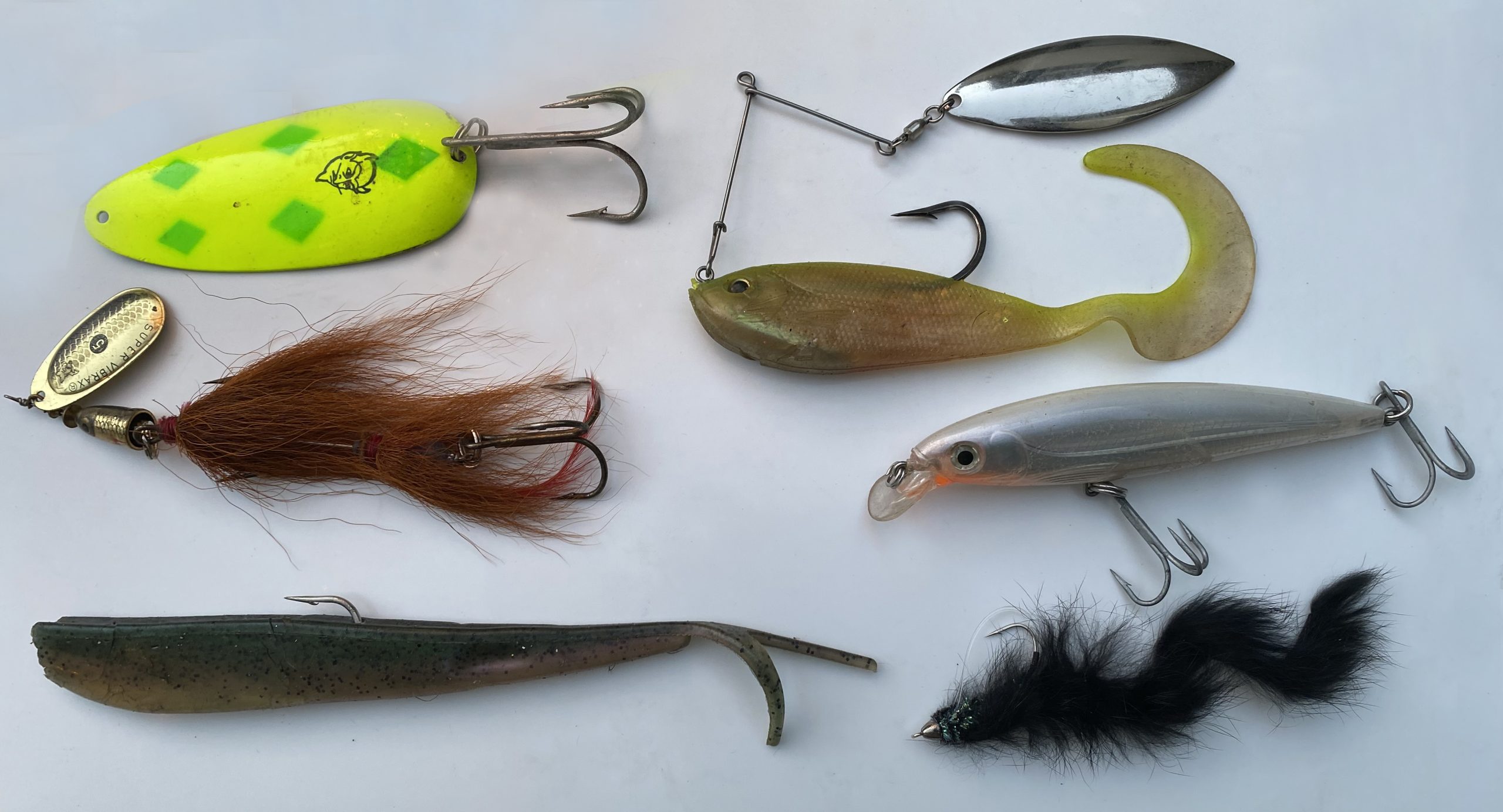
As the sun warms the water (from about 11 am onward), pike activity and aggressiveness shifts into high gear. Pike enthusiastically chase down and strike classic lures like wobbling spoons, shallow-running crankbaits, straight-shaft spinners, large softbaits, spinnerbaits, flies and others. Several times per retrieve, pop your lure forward with a twitch of your rod tip, then pause to let the lure flutter, to trigger strikes from following fish. Sunny, calm afternoons produce glorious fishing!
This prime, shallow behavior lasts a month or more, but may begin to dwindle as the water warms further and shallow bays choke in with weeds. Big pike now tend to spend more time in deep weed beds outside of shallow bays, and perhaps rimming the main lake. All of the same lures still apply—just in different types of area than in spring. Find good stands of healthy, green cabbage weeds in 6 to 10 feet of water, and you’re on fish.
In warmer lakes lying closer to the U. S. border, summer water temps rising above 70 degrees may cause many of the largest pike to abandon the shallows in favor of cooler, 30- to 40-foot depths, just above the thermocline. Vertically jigging heavy jigs or internally-weighted softbaits can produce really nice fish. Pike have better ability to adjust to rapid depth change than walleyes, and are less stressed when you reel them to the surface and quickly release them to return to the depths.
As the water cools in early fall, pike shift from deeper water to weed beds and rock points at the mouths of bays. Some may even wander into the back ends of bays, but the odds are for structure and cover rimming the basin to draw the most fish. Cast or troll any of the lures mentioned earlier to cover water, locate wolfpacks of aggressive biters, and catch big fish.
Reservoir Pike Location and Adjustments
In early spring, pike move to the back ends of coves—particularly those with an active feeder creek and/or runoff from rain or snowmelt that warms the water. Here, pike spawn, or at least attempt to spawn, on flooded shoreline cover, tumbleweeds blown into the water, or other less-than-classic spawning habitat.
Right away, one opportunity rises that’s typically unavailable in wilderness waters: Road access to the back ends of reservoir coves often allows you to drive to potential fishing areas, and walk down to the water to fish from shore as the ice begins to break up, even if the rest of the cove is still covered in ice.
Casting all manner of traditional pike lures produces when fish become active on sunny afternoons and glide up into the back ends of coves. Work them from a boat much as you would a back bay on a natural lake.
You can be among the first to get the latest info on where to go, what to use and how to use it!
On cloudy days, however, pike are often less active. Fishing from a stationary position—either from a boat anchored in a key spot, or casting from shore—is often most productive in these conditions. For example, pike may follow a creek channel all the way up into the back of a cove, making even subtle channels a prime location.
Fishing deadbaits from a stationary spot involves waiting for pike to become active, slowly cruise the shallows, and come to you. This should come as no surprise as pike are both predators and scavengers. At ice-out, numerous winter-killed fish litter the bottom and are easily scarfed up by pike cruising the shallows.
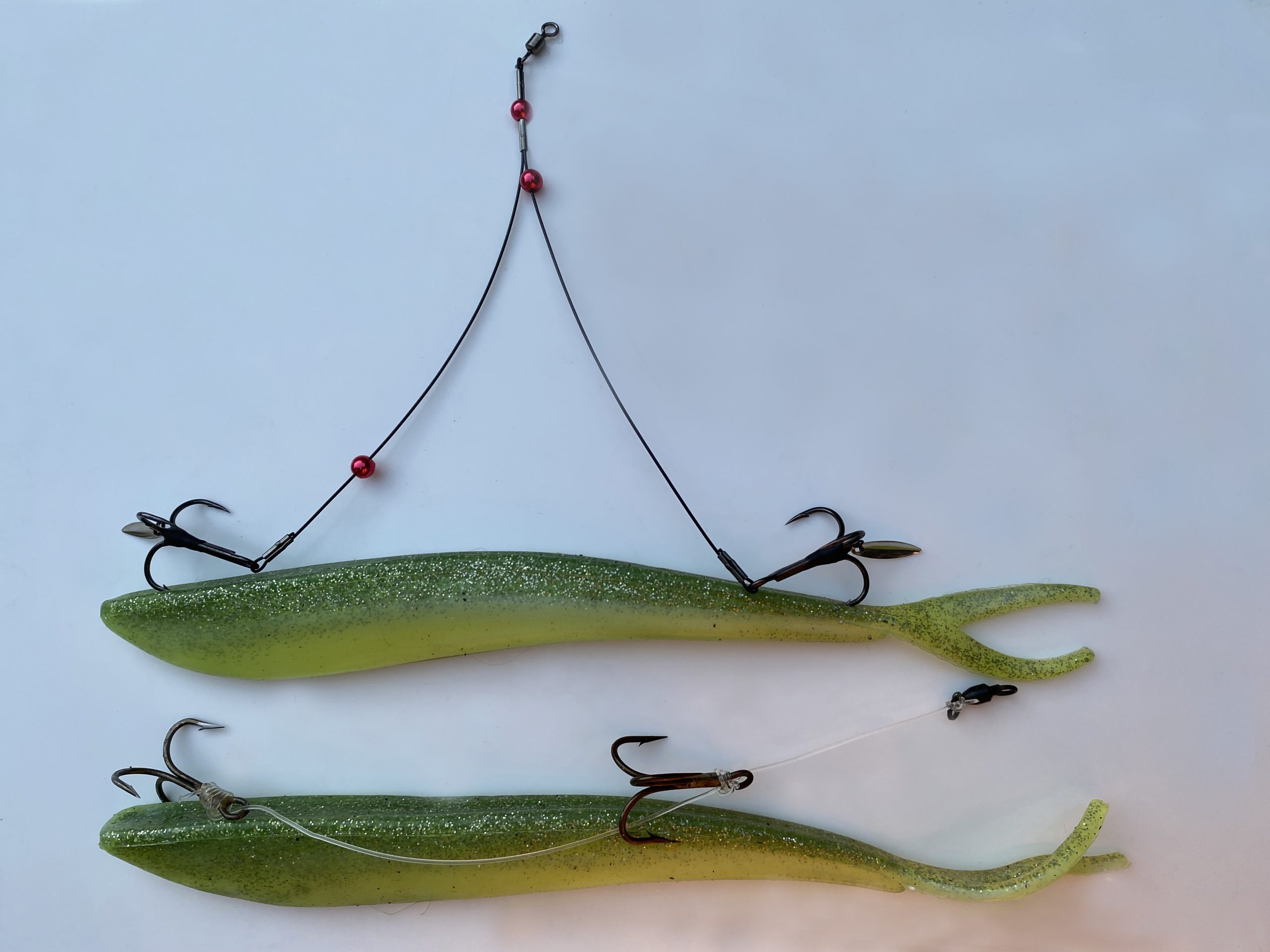
Slip a sinker on your line and tie on a multi-hook “quick-strike” deadbait rig employing either a wire or fluorocarbon leader. Rig it with a dead smelt, cisco, alewife, mooneye or sucker, hooking the head of the bait on the last hook of the rig; insert the other hook in the side of the body or nearer the tail, depending on the size of your bait. Cast it out, let it sit… and wait for the magic to happen.
If you prefer a more aggressive tactic to slowly work a larger area, attach a large bobber above the rig, set to suspend your bait perhaps 3 to 4 feet below the surface. Use multiple casts to cast and then drift your deadbait across a wider swath of territory. Either way, pike will zero in on your bait. Using multiple hooks allows you to set the hook right away, rather than allowing the fish to swallow the hook, and enhances successful catch-and-release.
If pike are past spawning and are lingering more toward the mouths of coves, try casting lures there. If you find a shallow shoreline flat that actually gets shallower as the flat extends toward deeper water, it creates a “shallow bowl” effect, much like a shallow bay, where the water warms and draws pike like crazy in spring. Spinnerbaits, cranks, and large boot-tail plastics dressed on jigheads are the way to go.
The rest of the year, pike are likely to cruise deeper water off shoreline points at the mouths of coves, or in fact wander the reservoir. They become harder to target if there is no shoreline cover like tall weeds or standing trees to draw them, and are likely to be caught incidentally by walleye anglers fishing main-lake structure.
Different sceneries, same strategies and tactics
In the end, pike are pike, no matter where they swim. They simply adjust to local habitats and feed on available baitfish. Once you figure out where they are located throughout the year, cast or troll traditional pike lures to catch them. Even if there are no stunted spruce trees surrounding the lake, no granite outcroppings along shore, and no caribou migrating on the horizon.
While far-North fly-ins epitomize the ultimate Canadian fishing experience, they are unfortunately somewhat expensive and often beyond some folks’ budgets. The good news is that lakes and impoundments in southern Canada are mostly drive-to destinations that most anglers can afford to visit. In many cases, you can bring your own boat, tackle, groceries and supplies, and catch big pike at bargain prices. And these days, that’s good news for everyone!
Did you enjoy this post?
You can be among the first to get the latest info on where to go, what to use and how to use it!