
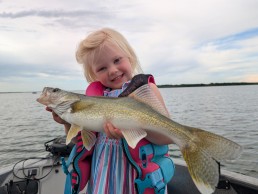
Bringing Kids Back to the Woods and Waters
The busyness that crowds out the outdoors
Parents tell me all the time that today’s kids are busier than ever. One comment stuck with me: “We don’t have time for anything anymore. Every season is another sport, another camp, another commitment.” Families that once built their calendars around fishing openers, small‑game seasons, and long summer days on the water now feel pulled in a dozen directions. Youth sports and year‑round activities leave little room for the simple outdoor traditions that shaped generations before them.
When commitments start making decisions
One parent told me that their family’s sports schedule started driving decisions, not the kids’ interests. Hockey, dance, and other programs slowly shifted from fun hobbies to major commitments. “It wasn’t even about what they wanted,” the parent said. “It was about how much we’d already invested.” I’ve seen this firsthand. A family we know has a son who eventually signed with a major league hockey team. When he got his signing bonus, he bought his dad a new truck. “You wore your truck out taking me to practices and games all those years,” he told him. It was touching—and a reminder of the sacrifices that families make long before they know if it will all pay off.
I saw that tension in my own family. I remember how upset Dad was when my older brother couldn’t go deer hunting in Wyoming because hockey and basketball practices came first. No time to fish with Grandpa anymore.
Even the outdoors isn’t immune
Fishing, once accessible to almost anyone, has become another high‑cost, high‑pressure pursuit. Forward‑facing sonar, Spot‑Lock trolling motors, specialized tackle, and the vehicles to haul it all can turn a quiet day on the water into a serious commitment. Parents feel pressure to keep spending, keep traveling, and keep kids committed year‑round—sometimes chasing the child’s dream, sometimes their own.
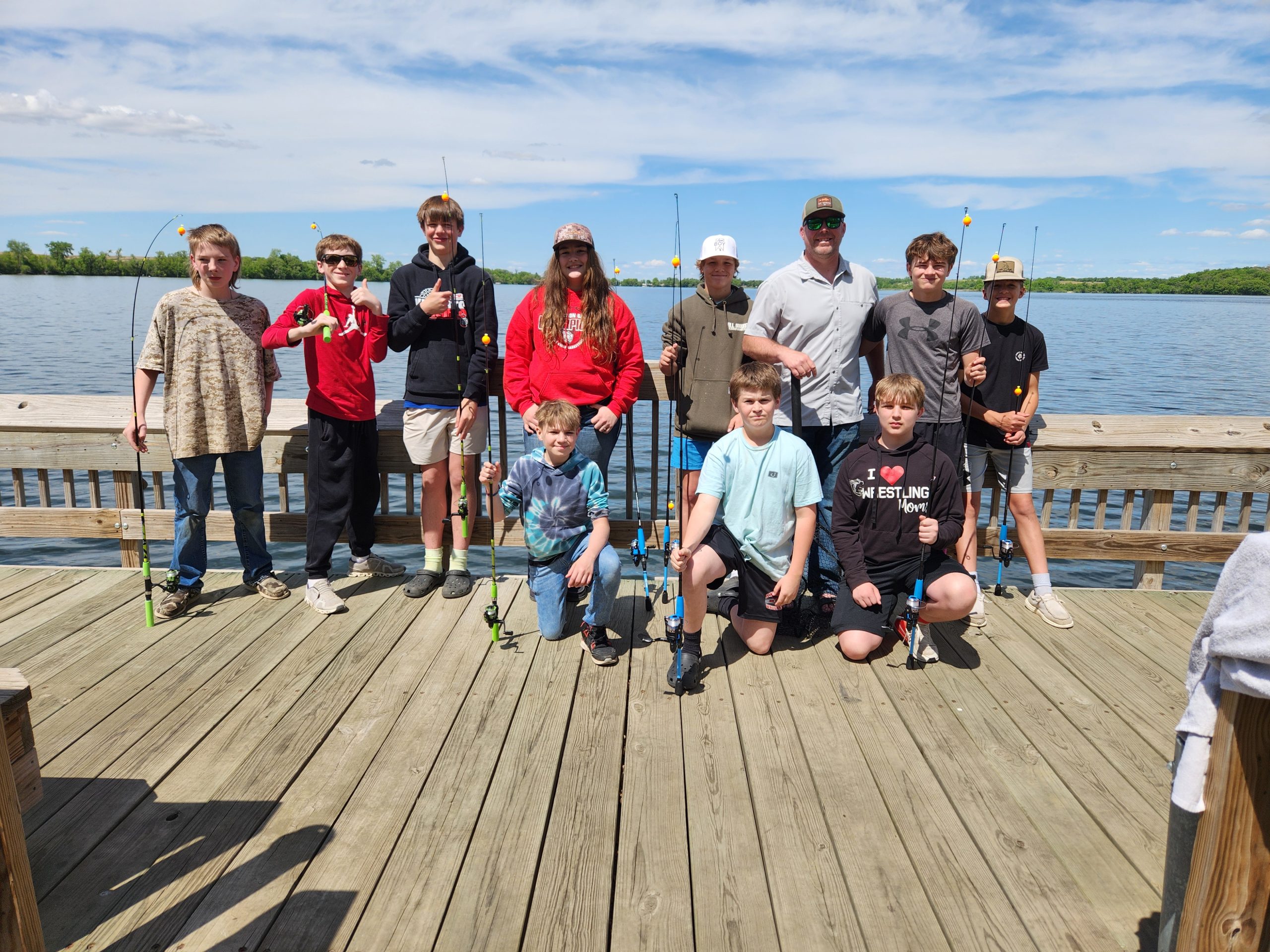
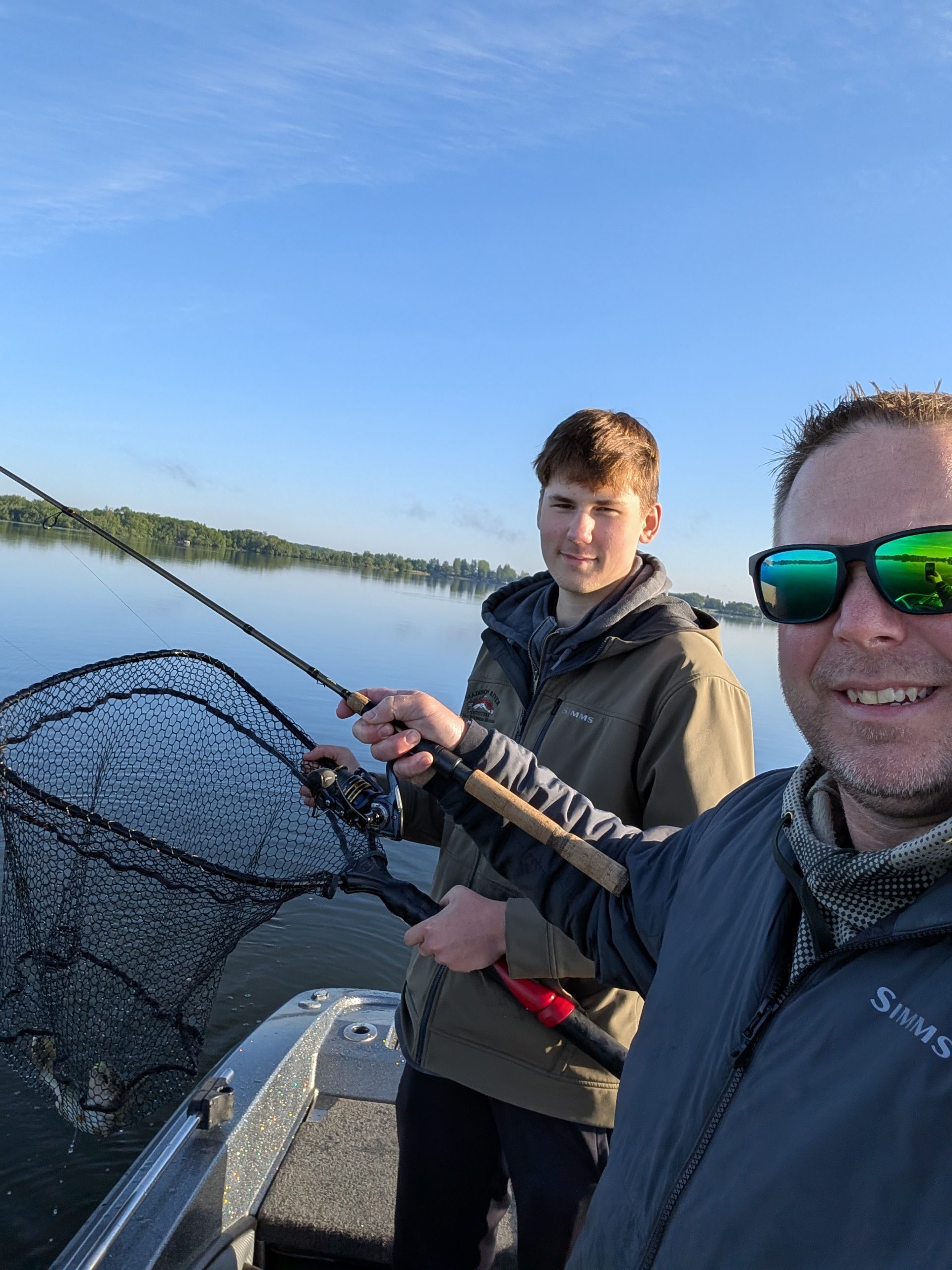
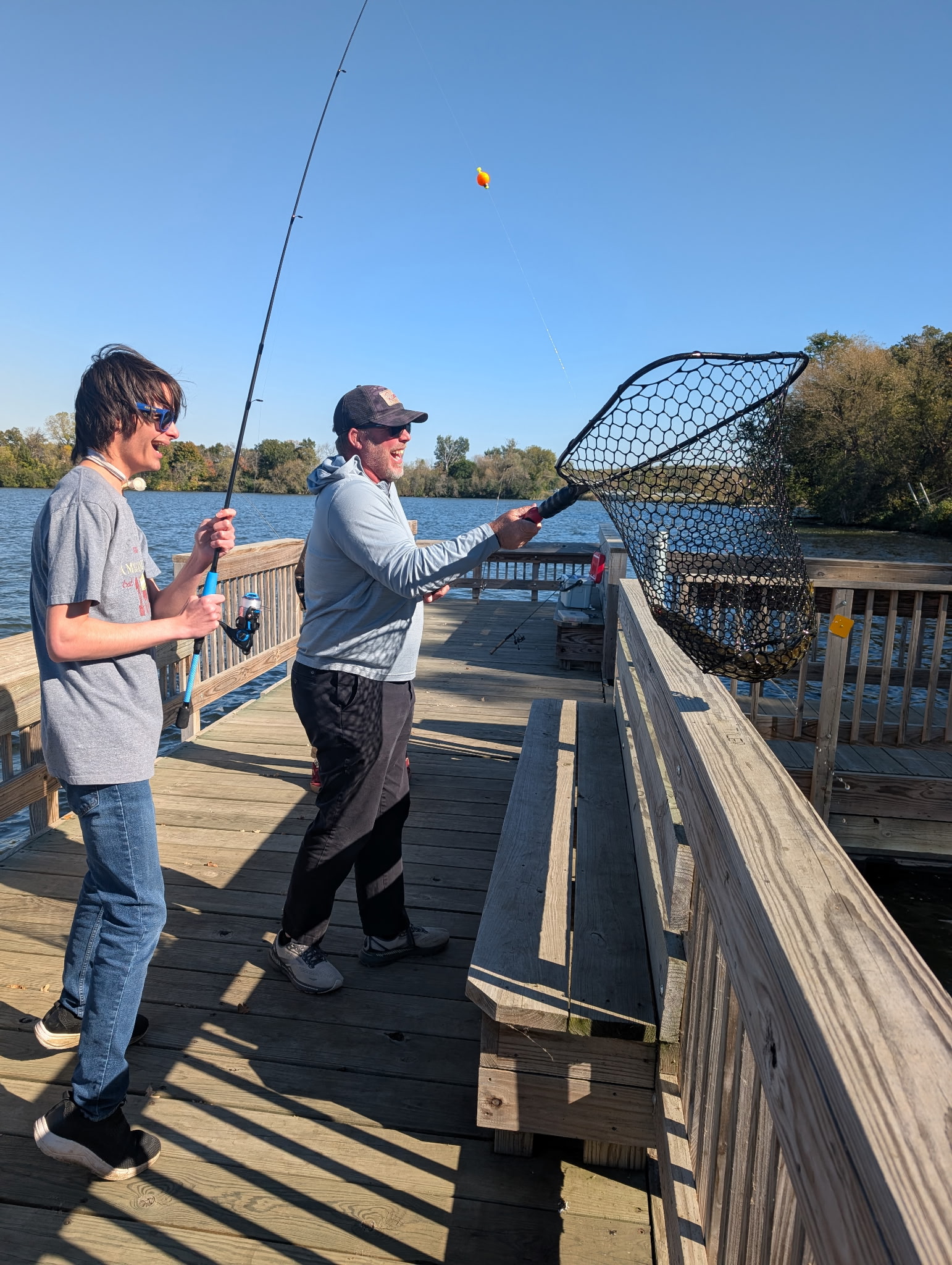
“Kids today are overwhelmed with electronics and social media. Getting them outside gives them a much‑needed escape.”—Corey Heiser, Professional Walleye Angler
The outdoors was never meant to be another competition. It was meant to be quiet. A reset button. A place where kids could learn patience, curiosity, and confidence without a scoreboard or stopwatch.
Lessons learned in the woods and on the water
For me, the outdoors was simply life. I remember sitting on the end of the dock at dusk, catching walleyes with my big brother while the sun slipped behind the trees. The loons called across the water, and we didn’t have a care in the world.
I also remember wandering through the pine woods with my grandpa, helping him check traps for squirrels. The smell of pine needles and the crunch of leaves underfoot made every walk feel like an adventure. Summer mornings on the lake, the water glassy, the mist hovering low, a loon’s call echoing, taught me the quiet rhythm of nature.
We learned to read the sky, follow tracks in the snow, and notice the small things that mattered. Responsibility came in small ways—carrying a thermos, a pocketknife, or a fishing rod. Respect came from watching parents and grandparents take only what they needed and leave the rest better than they found it.
You can be among the first to get the latest info on where to go, what to use and how to use it!
“Most times, the catch isn’t the prize; it’s the connection that happens on the water.”—Brandon Gruchow, Teacher & Perch Patrol Guide
What we’re losing when kids don’t come along
Those simple experiences—the ones that quietly shaped who we became—are being squeezed out. The last, crisp days of pheasant season. Walking a woods line for rabbits. Wandering a field with a dog and no real agenda.
Missing from our hunting seasons are the young folks who once walked beside us, crouching under fences with the dogs at their heels, laughing when a pup tumbled into a brush pile. I remember sharing sandwiches with them, hot chocolate steaming in our gloves, their cheeks red from the cold and excitement.
That absence is felt keenly now, replaced by holiday basketball tournaments and weekend practices. You notice it in the quiet: The woods seem emptier, and the stories we once passed along, waiting to be shared, go untold.
A heritage worth protecting
Outdoor heritage has always shaped the Midwest. From the prairie potholes of the Dakotas to the pine forests of northern Minnesota, these landscapes have given us stories, memories, and values that last a lifetime. But traditions don’t pass themselves down automatically. They take slow, quiet time, time without a whistle blowing or a coach calling plays.
“Traditions don’t pass themselves down; they take time.”
Finding balance for the next generation
If we want kids to grow up with both sports and the outdoor traditions that so many of us cherish, we need balance. Kids shouldn’t have to choose. We need adults who recognize that both influences are equally important. That means being willing to say “no” once in a while: Skip a tournament, leave a day open, and protect the kind of free time that allows a child to wander, explore, and breathe.
Let them rest. Permit them to wander. Allow them to fish with their grandparents. Let them sit in a duck blind and watch the sunrise without worrying about practice. Let them help clean the fish they caught, watch a rooster pheasant flush from the tall grass, or paddle a canoe across a glass‑calm lake as the morning fog drifts away. These aren’t just hobbies. They’re the moments that root a child to a place, a family, and a way of life. If we want the next generation to value the outdoors the way we do, we have to make space for it.
The outdoors needs our kids back—and our kids need the outdoors even more.
Did you enjoy this post?
You can be among the first to get the latest info on where to go, what to use and how to use it!
