
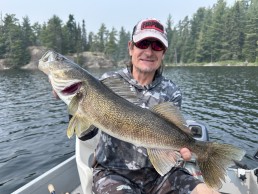
Big Ontario Walleye Bonanza
One of my favorite Canadian trips each summer is the annual MWO TV trip to Slippery Winds Wilderness Lodge, just a short floatplane flight out of Fort Frances, Ontario (right across the border from International Falls, Minnesota). We’ve featured the great multi-species fishing at Slippery Winds many times over the years on the show, a destination that features plenty of big fish and options as far as which lakes you want to fish.
The variety in fishing is a prime attraction almost anywhere in Northwest Ontario. Spectacular action is the best part, so pick your favorites: walleyes, lake trout, crappies, northern pike, smallmouth, largemouth bass, and muskies, although depending on how north in the province you travel, these last three species phase out of the ecosystem.
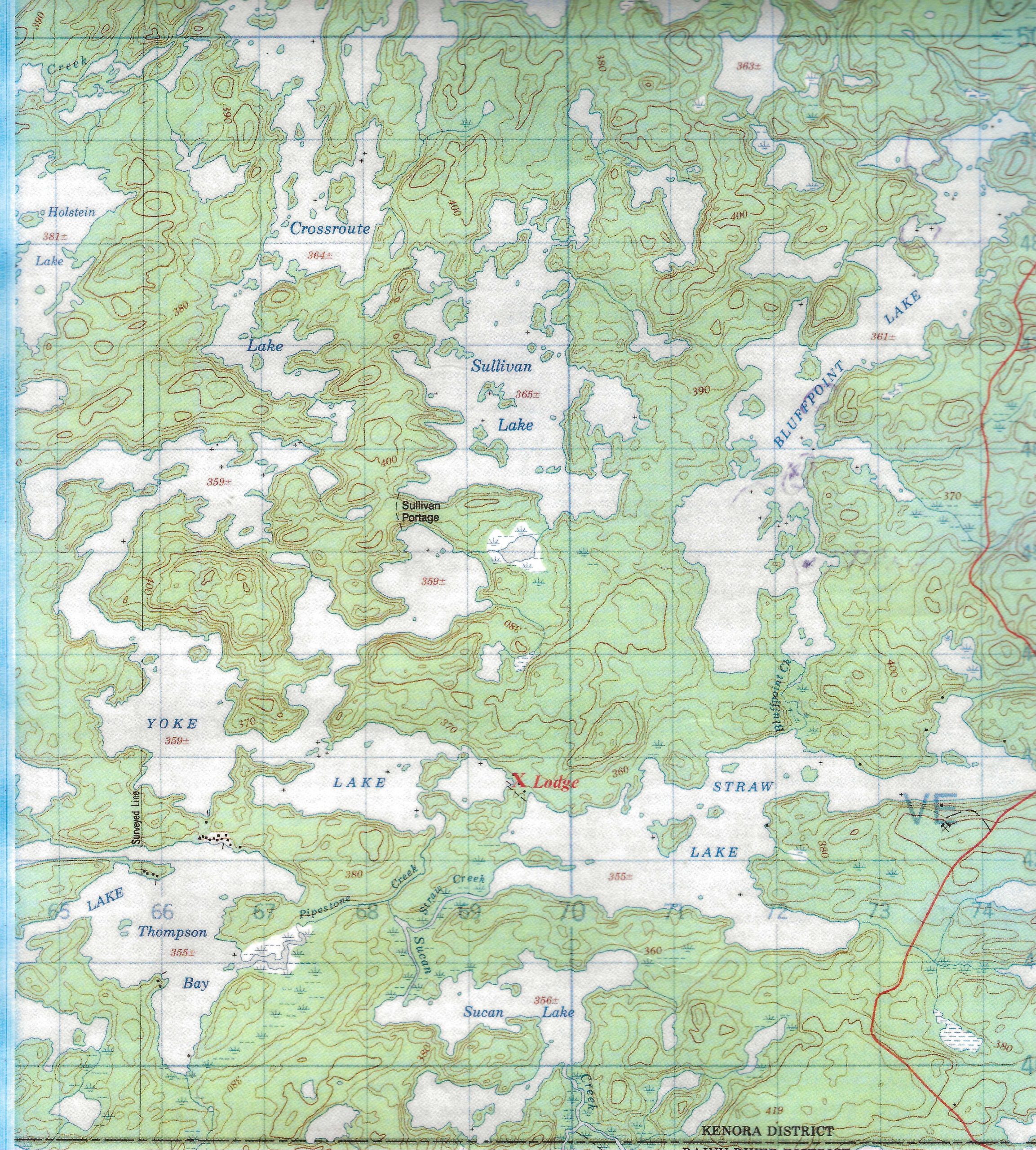
At Slippery Winds, you can “go six-for-six, for six species on six different lakes.” In addition to Yoke Lake, where you can catch walleyes, northern pike, muskellunge, lake trout, and both smallmouth and largemouth bass, there are five connected portage lakes that feature a blend of the six species.
Yoke Lake has developed a reputation as one of Northwest Ontario’s best big-walleye lakes. Considering its modest acreage, the average fish measures around 22 inches. It’s common to catch multiple 24- to 28-inch fish during a good day on the water.
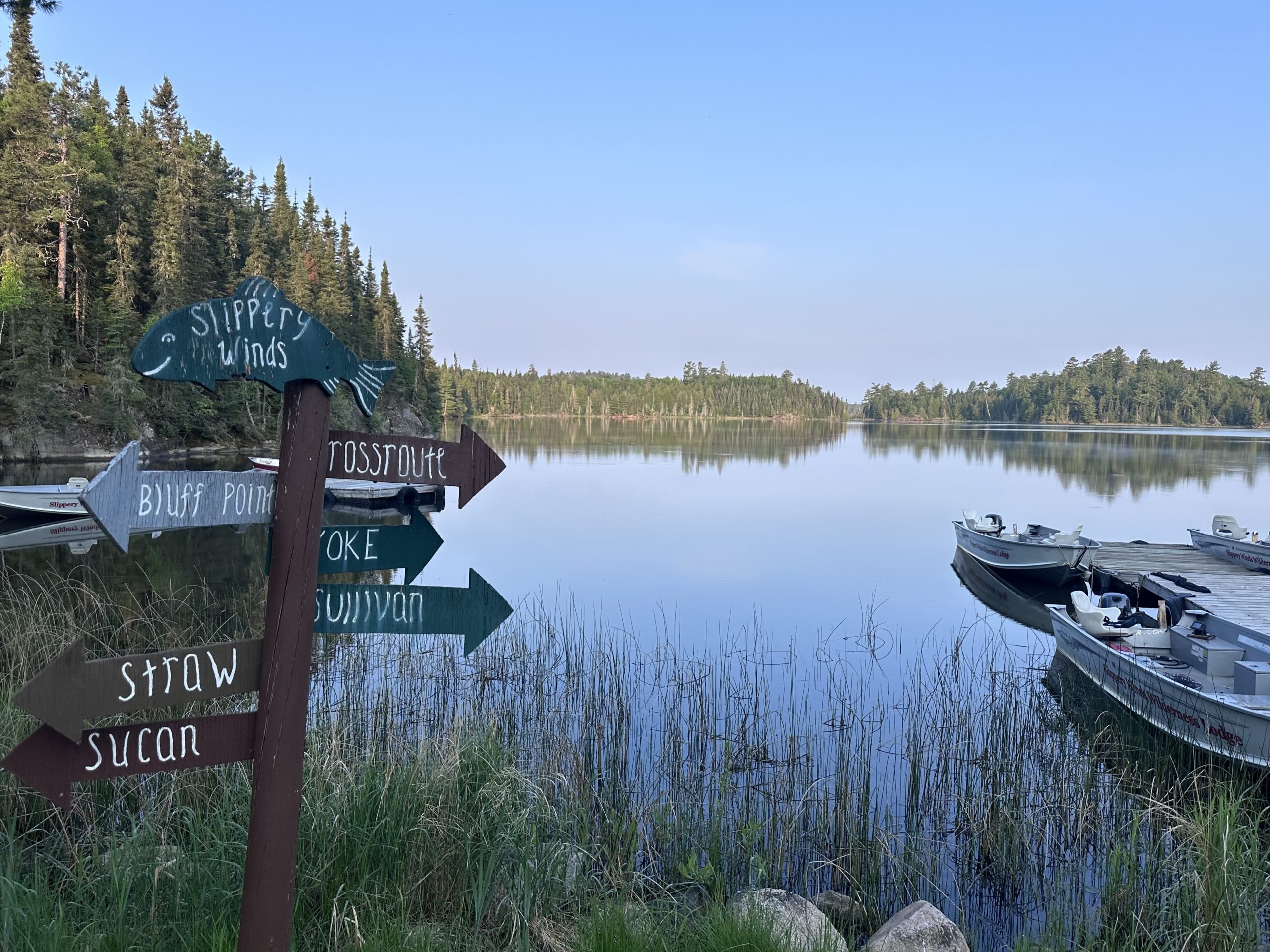
However, although most guests love catching those big walleyes, it’s the multi-species fishing that is the biggest attraction to fishing here. A typical trip involves fishing right out of the lodge on the main lake, but also traversing one or more of the short portages to the adjacent lakes: Crossroute, Bluffpoint, Sullivan, Straw, and Sucan. The lodge keeps a boat cache at each lake, fueled and ready for gusts to use.
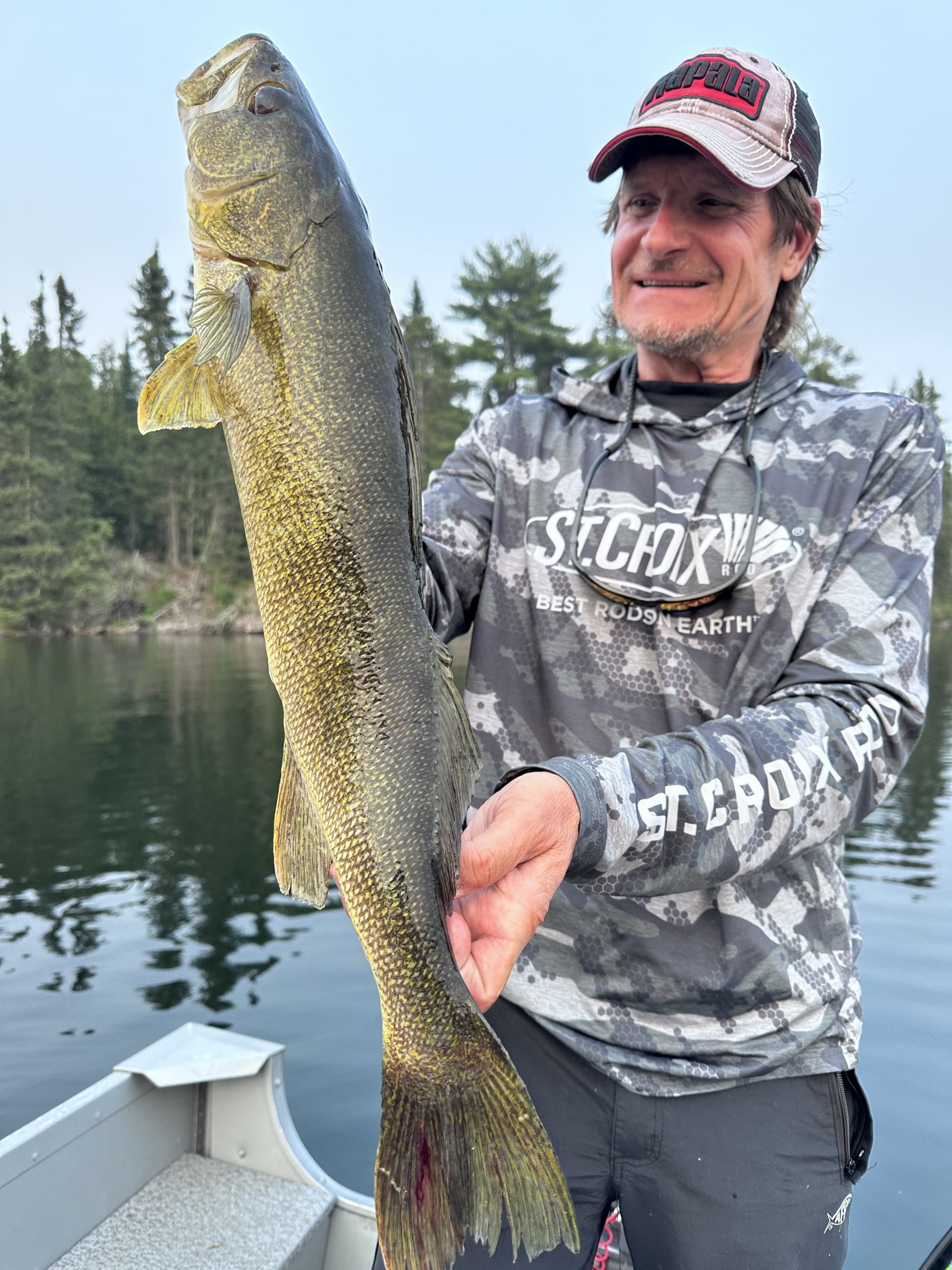
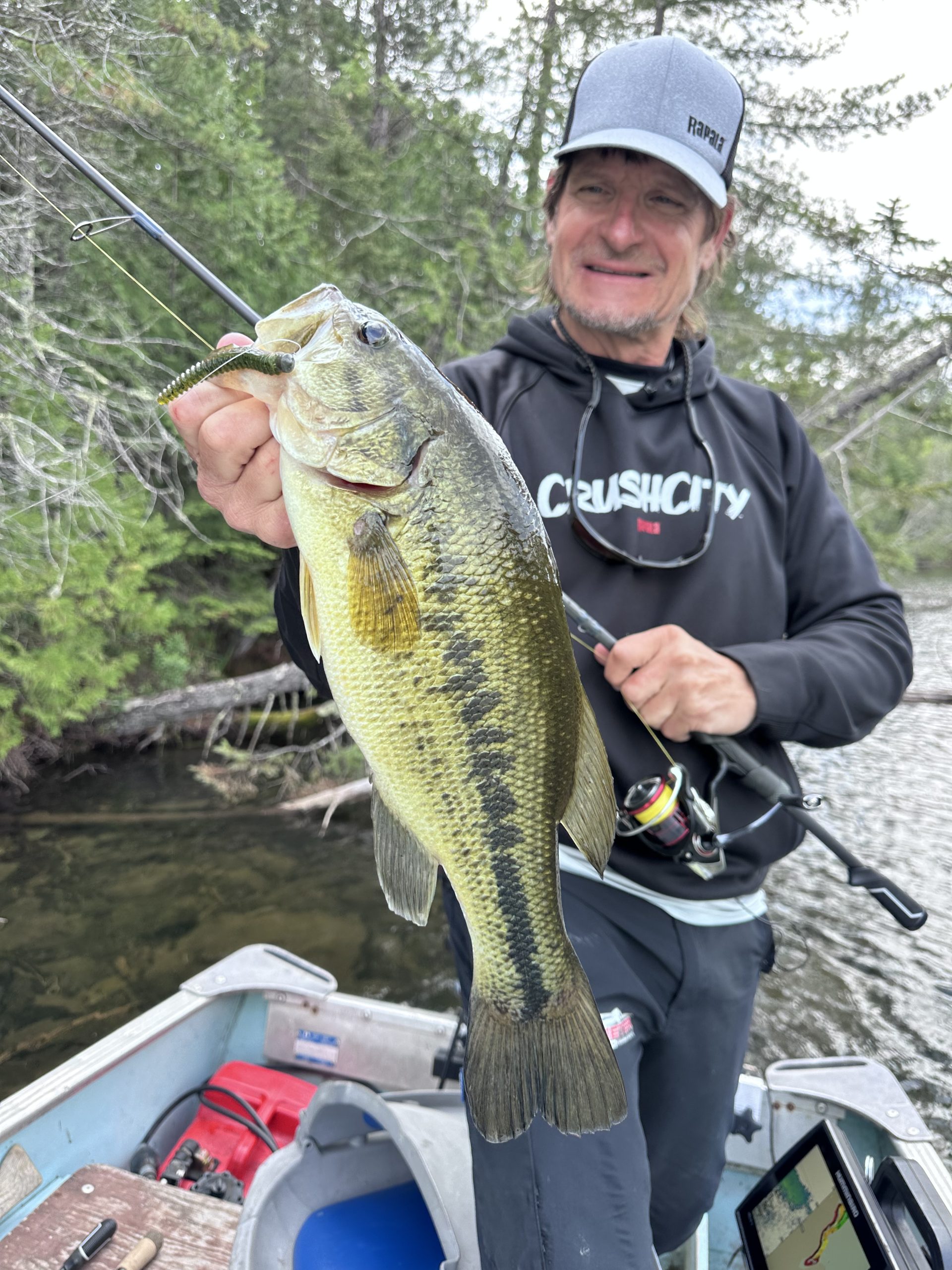
While Yoke Lake is home to all six species, the portage lakes have a varied mix of species. In recent years, my most memorable trips have featured a focus on Yoke Lake plus portages to Bluffpoint and Crossroute for incredible numbers of largemouth bass (dozens of hookups for each angler in just a short day’s fishing) and lake trout. Of course, bonus walleyes and pike show up in the mix as well. Overall, the variety of fishing makes Slippery Winds such a fun location to visit.
You can be among the first to get the latest info on where to go, what to use and how to use it!
Popular fishing tactics apply. A simple jig-and-minnow presentation for walleyes catches good numbers of fish, and early in the season when fish still are shallow, it’s easy to catch them on jerkbaits as well as small swimbaits and crankbaits. Topwater poppers, Ned rigs, shallow-running cranks, and Texas-rigged worms catch the smallmouths and largemouths, and the spinnerbait bite for largies can be fast and furious. I’ll also pack one pike/muskie rod for casting big lures, and bring some of my favorite toothy critter lures on the trip. There are some huge muskies in Yoke Lake, and fish over 50 inches are caught by guests every summer.
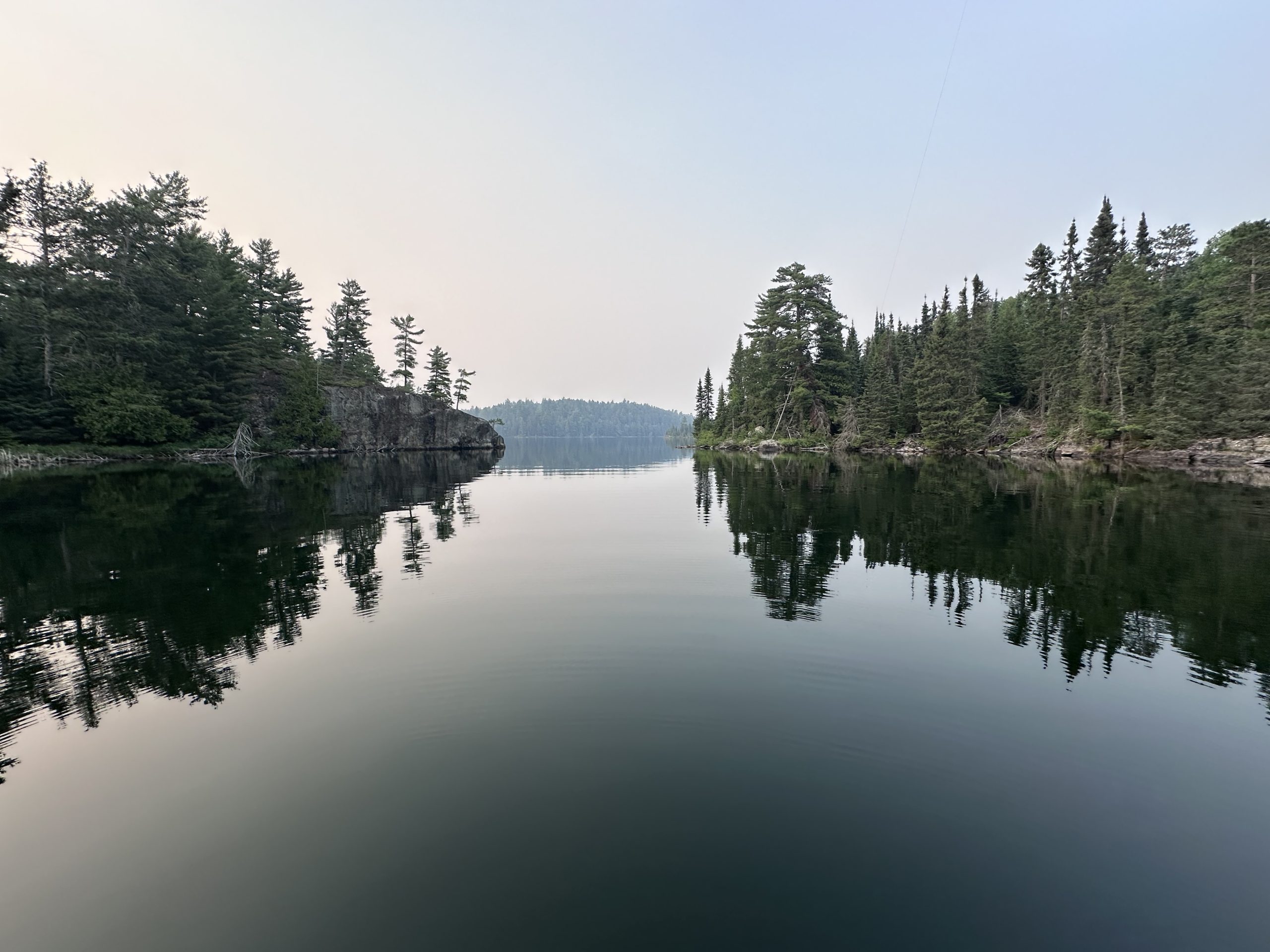
Variety in structure makes fishing anywhere in Northwest Ontario a treat: Miles of shoreline to explore by casting or trolling, weed lines, back bays, saddles and neck-down areas between two basins or in between two or more islands, and current areas where creeks and waterfalls inflow into lakes all offer great fishing opportunities.
Yoke Lake is essentially three distinct basins: a northern basin with good rock structure but primarily shallow water including some back bays with downed timber that attract lots of bass; a connecting river to a deep, central basin with lake trout holes of 100-plus feet, but also plenty of shallow reefs and shorelines where you catch walleyes and bass; and a northwest basin with some hotspot rockpiles and narrows areas that produce good numbers of walleyes, pike, and the occasional muskie.
During trips to Slippery Winds in the last three years, I found that “jerk-trolling” produced some of my best walleyes of the trip. This is a fun and easy way to fish, and ideal for covering water just like longline trolling—but generally more productive than simply tossing a crankbait off the transom and trolling along. With a jerkbait tied on (I’m partial to Deep Mavriks or Shadow Rap Deeps from Rapala), you can impart so much more action to a lure than the subtle action of a trolled crankbait. The erratic, darting action of a jerkbait triggers way more strikes.
Three years ago, it proved to be the winning pattern in the shallow river over the tops of emerging vegetation. Two years ago, it produced the biggest walleyes of the trip when employed over a 35-foot basin, enticing deep, suspended walleyes in the clear water to rise up 15 or more feet to take the lure, and even triggered a nice muskie to bite. Last year, jerk trolling through saddles and neck-down areas produced fish. It’s clear that jerk trolling catches fish in a variety of scenarios.
The variety in fishing is a prime reason to fish in Canada. If that sounds like a great Ontario fishing trip to you, check out Slippery Winds Wilderness Lodge!

Did you enjoy this post?
You can be among the first to get the latest info on where to go, what to use and how to use it!