
April is a Reliable Month to Catch Lots of Fish
Although the timing varies year-by-year with the weather, April is a very reliable month to begin some serious fishing in and around Lake Erie for dining on fresh fillets or filling a freezer. Catch-and-release is another option when fish are on the feed bag, but not on the menu.
Walleyes, white bass, yellow perch, steelhead, crappies, bullheads, and a slew of other fish species provide action from one end of the lake to the other as ice clears the scene for the year.
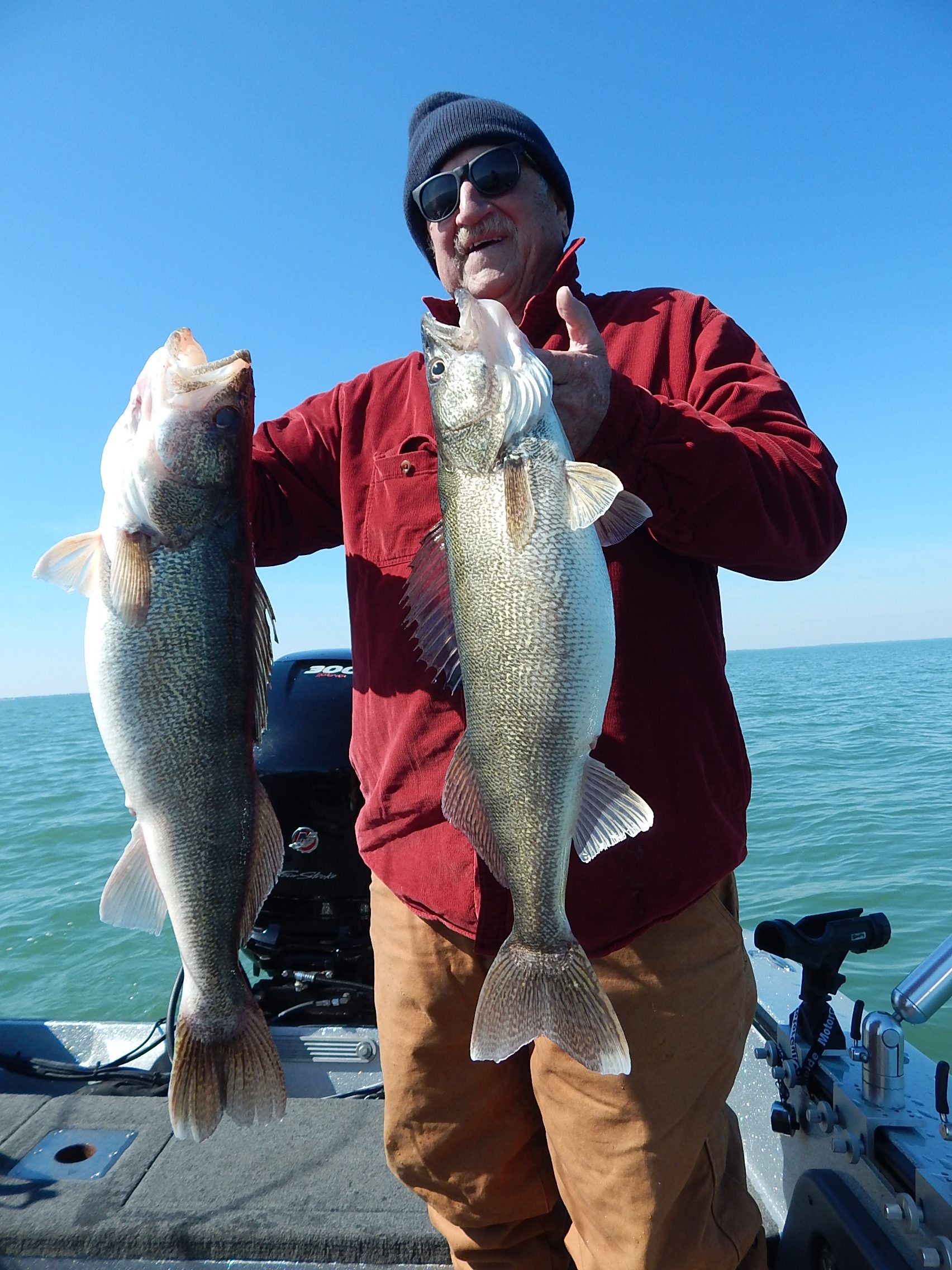
Walleyes draw local and non-resident anglers by the thousands to Lake Erie in April, especially the western end where the current population numbering in the tens of millions gather to spawn on the reefs, shoals and tributary streams: namely the Maumee, Sandusky, and the Detroit Rivers, the latter technically a connecting channel.
With the cold winter that engulfed the region this year, walleye and perch reproduction is expected to be enhanced, according to studies conducted by the Aquatic Ecology Lab at The Ohio State University, which included taking meticulous measurements of perch eggs after warm vs. cold winters.
They concluded that long, cold winters that delay the onset of spawning season allows perch eggs to grow to larger dimensions, indicating that they have reached a better condition.
The mega walleye hatch of 2003 followed a particularly long winter that year, but several other species of fish likewise benefitted across the region, including outside of Lake Erie, too.
Brian Miller, a Maumee River walleye run enthusiast and author of articles and a book on the subject, points out that cold winters such as this one normally produce a shorter, more intense spawning run surge.
Higher numbers of walleyes peak in the river in a compressed period of time, instead of the starts and stops that happen when mild winter temperatures ease into less-dramatic springtime warmups.
Where anglers are prohibited from harvesting walleyes until May 1, some fishermen bide their time by targeting schools of yellow perch or other species.
In Ohio, yellow perch move into near-shore areas containing structure ahead of their spawning season, which comes a little later than their larger cousins.
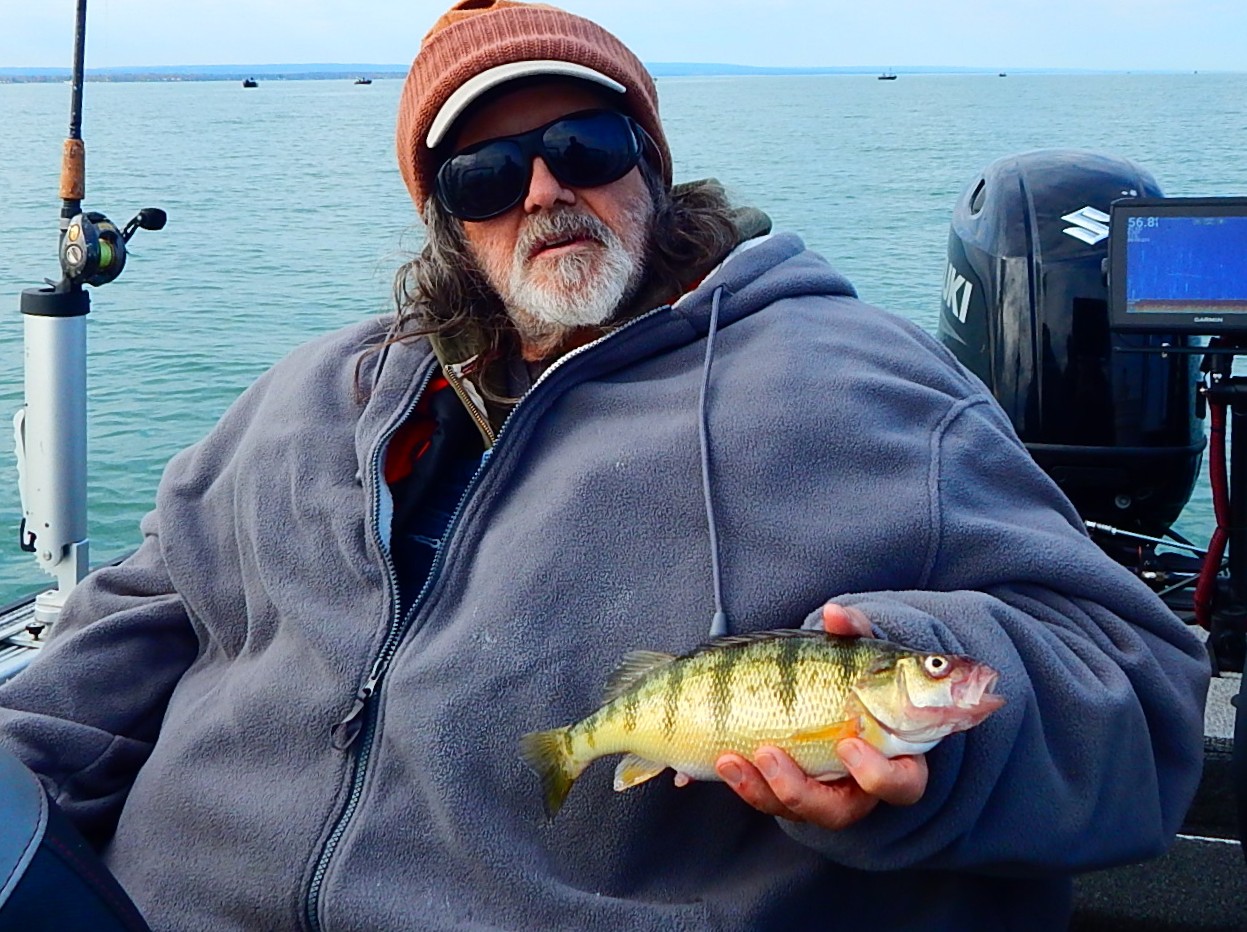
Concentrations of perch begin to assemble this month along the Michigan shoreline, around Maumee Bay, the Ohio Western Basin islands, outer tips of the shoals, reef edges, Catawba Cliffs, Marblehead Peninsula, Cedar Point, and in shallow water weed beds in harbors.
In Pennsylvania, Walnut Creek is a frequently mentioned top pick in the 40- to 50-foot depths, and Presque Isle Bay holds jumbo perch in the spring, after the ice clears.
The best spring yellow perch fishing along the New York portion of Lake Erie in April and May include the 50- to 65-foot depths off the Chautauqua County shoreline stretch that includes Sunset Bay, between Cattaraugus Creek and Sturgeon Point.
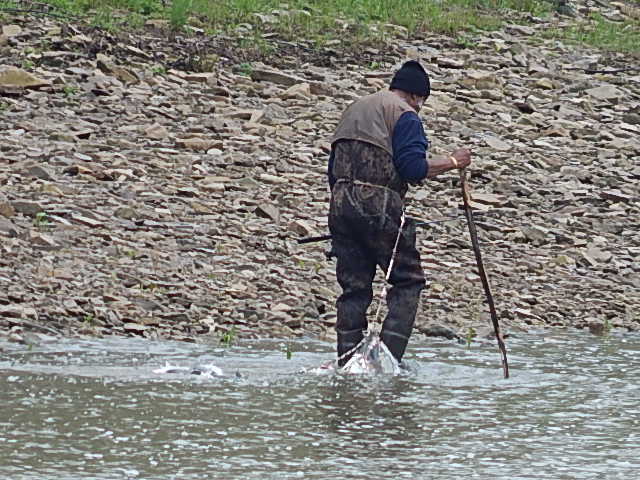
White bass are a big draw in the Sandusky River, with anglers arriving in large numbers from out-of-state, joining the local crowds that live within walking distance of the river, during their annual spawning run.
You can be among the first to get the latest info on where to go, what to use and how to use it!
This normally occurs starting in the second half of April, following the arrival of invasive white perch, their smaller cousin.
The timing of the walleye run, and both the white perch/white bass runs in the Sandusky River, precede the migrations into the larger Maumee River, which takes longer to warm in the spring.
In Apri, the Portage River also attracts white bass spawning runs, and substantially fewer numbers of walleyes, but access is much less available and the river receives less pressure.
In the Maumee, as opposed to the Sandusky River, angler attention diminishes significantly from the 3-ring circus underway while walleyes still populate the spawning grounds of the largest tributary in the Great Lakes.
While white bass gets underway in April, it peaks in May. Stringers of “silvers,” as our Indiana friends call them, share the clips of many angler’s stringers, with mainly jack walleyes that linger around longer after the spawning is finished. The “hens” quickly vacate the river once their eggs have been left behind.
Emerald shiners that are sold for tipping jigs, perch fly rigs, and under a bobber are available for those in the know about the abundance of crappies along the lakeshore.
While anglers in boats pass by crappie anglers in the marinas on their way out to jig on the reefs for walleyes, or anchor over schools of perch, some in the know are perfectly content with filling buckets, coolers and fish baskets with the sweet “papermouths.”
Despite their larger average size and abundance compared to what are normally seen in most reservoirs and their popularity inland, crappies receive less pressure along the lake than the above-mentioned species that are held in higher esteem here.
Black crappies are more common where the water is clearer and supports vegetation, while white crappies tolerate more turbid conditions, including those with a mud bottom.
While April marks the month when spring-nesting steelhead trout are wrapping up their activities as the streams warm up, top-producing Ohio tributaries include the Grand, Chagrin and Rocky Rivers and Conneaut Creek.
In Pennsylvania, consider Walnut, Conneaut, Elk, Twenty Mile, Four Mile and Crooked Creeks during the first half of the month, especially for spring-run fish, and for those on their way back to the lake.
New York lists Cattaraugus, Chautauqua, Eighteen Mile, and Canadaway Creeks as top April picks for “drop back” fish, and Barcelona and Dunkirk Harbors for lingering fish.
In shallow, Western Basin tributaries such as Turtle and Toussaint Creeks, where my father often led family fishing outings, bullheads were our main targets.
They are abundant; inhabit about every body of water connected to the lake; do not require a boat or fancy lures; and are one of the earliest species to become active as the shallow tributaries show signs of warming; and they taste just fine when caught in the spring.
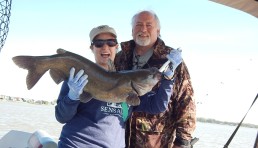
Channel catfish also become more active in April as they stage in the warming rivers and bays. Trophy specimens in the 15- to 20-pound range are landed during each trip in the shallow sections of Sandusky Bay, which warms up rapidly this month.
Did you enjoy this post?
You can be among the first to get the latest info on where to go, what to use and how to use it!