
An Introduction to Bass Plastics for Christmas
When I was a kid, my aunt and uncle played a large part in my desire to fish. They also dabbled with artificial baits. And looking at and touching those big casting rod baits set me to thinking, “Gee, maybe I could catch fish on those, too.”
I tried. I talked my dad into take me out night fishing for bass on vacation. Why night? Somewhere, it got 10-year-old me zeroed in that nighttime was the right time. Dad finally relented. So off we went. I threw a large Injured Minnow in the vicinity of a big stump across the bay from our cabin. The bait was heavy, and casts were more like lobbing a baseball. Then it changed. I heard the bait splash as it hit the water. Immediately, I heard a second splash, and had my first night largemouth bass on an artificial! I didn’t notice that before I got it off the big trebles, dad had us back at the dock; he decided that we were done. Probably because getting hit with that big thing zipping through the dark would bring nothing good. It was a short night. But I didn’t care; I was in heaven.
After that, I started getting spinning-sized artificials for Christmas. I soon caught fish on Hula Poppers and Spin-O-Renos. I also got Jitterbugs, Darters, Hula Dancers, Johnson Silver Spoons, and even a new bait called the Rapala. If my family would have paid attention, they would have noticed that just the Hula Poppers and Spin-O-Renos were the ones I really used.
After 40 years in Wisconsin (Yeah, I still like the Bears) my world changed. I traded the Hula Popper and Spin-O-Reno for plastics. And caught a lot of fish on those plastics, and still do.
So, for the angler on your Christmas list who doesn’t fish plastics, perhaps an introduction to those soft baits is in order. What better time to do this than through Christmas gifts? And since there are so many plastics to choose from, I’d like to stop you from going crazy trying to figure out what to get.
Let your budget be your guide, as nothing is cheap anymore. But here’s what I rely on that are tried-and-true.

You can be among the first to get the latest info on where to go, what to use and how to use it!
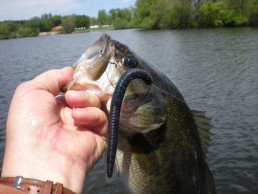
The 5-inch Senko, black with blue fleck. I don’t leave home without it. It sinks slowly, just sashaying toward bottom, begging a bass to bite.
The Berkley MaxScent Creature Hawg. It’s a beaver-type bait that can be rigged Texas-Style. Or on the back of a bass jig (Try a Strike King Denny Brauer Structure Jig, where the hook is inline, eye out the front, not the top, which collects weeds).
Berkeley’s Max Scent Power Chunk is also a winner on a jig. It’s a can’t-miss, big-bass spring killer.
Lastly, go with a tube jig. Use it open-hook or rig it Texas-Style. It’s always in play regardless of the season. MaxScent or Berkley Power Bait brands work in 2 1/2- to 4-inch sizes.
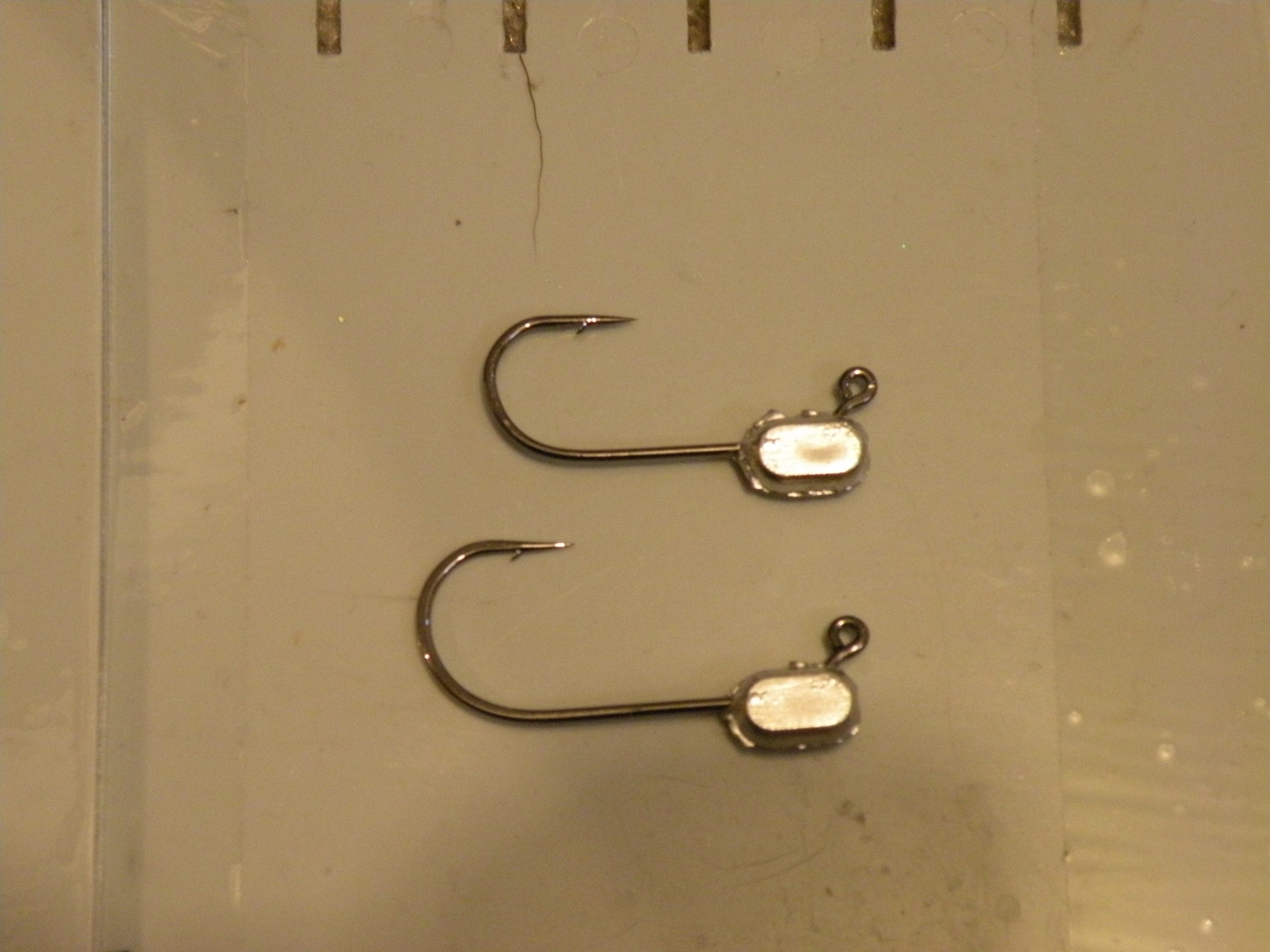
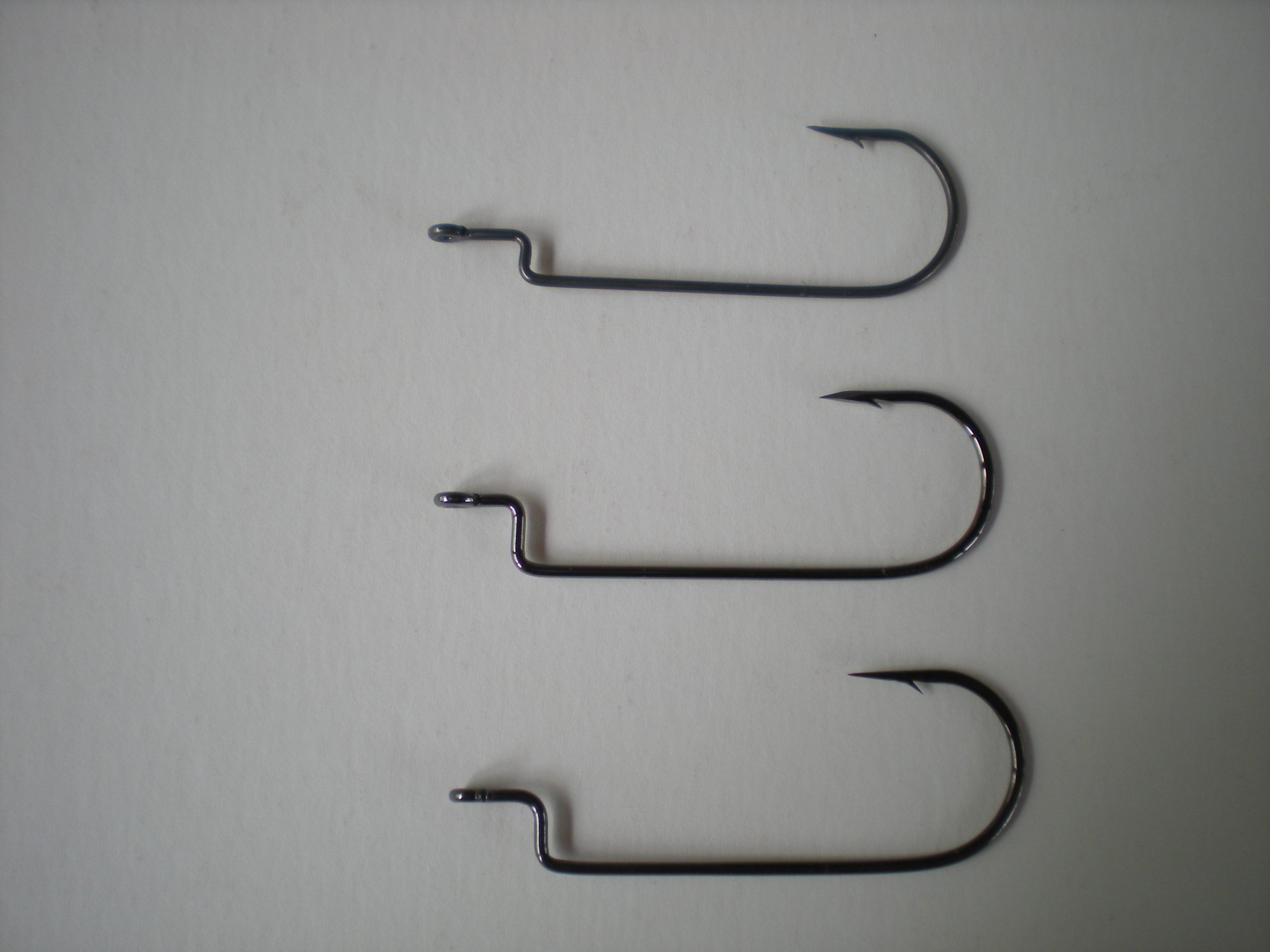
For rigging, go with mostly 2/0, 3/0 or 4/0 round-bend, or wide-gap hooks, which work for most. Smaller baits need smaller hooks. Slip sinkers from 1/16- to 1/2-ounce allow you to fish shallow or deep. I use a bait like the Senko with no weight.
Should the budget allow you to buy more than the A List, consider 7-inch Berkley Power Worms, and 3-inch Chigger Craws which can also be used to tip a jig. Also, a Max Scent 4 1/4-inch Flat Worm is good for drop-shot rigs, and a MaxScent small version of the General works on a smaller jighead for finesse rigging. Zoom’s 6-inch Brush Hogs are also good baits to have in the box.
Fishing department personnel can help with hook and jig sizes and weights. Bass Pro Shops or Cabela’s fishing department personnel are usually pretty knowledgeable on various products.
Looking online can help you select and price items for your gifts. And provide some background on the lures.
Hopefully, these baits will become regulars in your gift recipient’s tackle box for seasons to come. Having confidence in a lure is a big part of catching fish on a regular basis.
Did you enjoy this post?
You can be among the first to get the latest info on where to go, what to use and how to use it!