
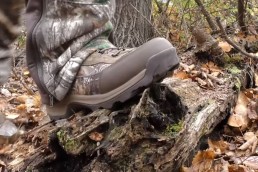
Boots are the Foundation for Deer Hunters
According to Mike Schoonveld, comfort during hunting season starts the same as any good building, with a proper foundation.
There are two parts to achieving the proper hunting foundation: the layer of clothes next to the skin and the footwear a hunter wears while hunting. Selecting the right deer hunting boots is critical to ensure a successful hunt.
Passionate deer hunters are prepared for whatever Mother Nature throws at them. From bowhunting on hot, humid, early-October afternoons to sitting quietly in a tree stand on a frosty morning in late November, deer hunting requires patience, persistence and the right pair of boots for the conditions.
The hunting boots a whitetail hunter wears should be as carefully chosen as the firearm or bow. If a hunter’s feet are wet or cold, the last thing they’ll be thinking about is holding steady aim when it matters most.
When shopping for a new pair of deer hunting boots, consider these factors:
Fit and comfort
Some boots offer comfort right out of the box. Others, such as those made with premium leather, may require a break-in period to feel comfortable.
When shopping, keep in mind that as a person walks throughout the day, their feet can actually flatten and lengthen, increasing in size perhaps as much as a full shoe-size larger.
When trying on boots, wear the socks you’ll actually wear while hunting. Think “anything but cotton” when it comes to hunting socks. Choose moisture-wicking socks of the appropriate length for the boot height you’re considering, as well as thickness.
You can be among the first to get the latest info on where to go, what to use and how to use it!
Right boot for the season
Full-season hunters in the Midwest typically start their hunting in rather warm, dry conditions and progress to colder temperatures and wet or frozen conditions later. If this is you, consider multiple pairs of boots to handle those changing conditions. Planning to use the same boots all season just by adding or eliminating socks is a poor alternative.
In the early season’s warm, dry conditions, select from lightweight, breathable, uninsulated choices. Midseason hunts may require boots with some insulation (400-800 grams) to protect against chilly mornings while not baking your feet as temperatures rise throughout the day. In late season with cold temperatures, snow or ice, consider heavily insulated (1,000 grams or more) boots to protect against harsh winter weather.
Dry feet
Wet feet can ruin a hunt fast, especially if it’s cold and you’re sitting or standing for any length of time. Walking through dew-drenched grass and underbrush, stepping into a muddy puddle, or crossing a creek to get to your spot is all it takes. That’s why, whether you’re bow hunting from a tree stand or rifle hunting on a long stalk, you need to make sure your boots are waterproof to keep your feet dry. Most companies offer breathable waterproof “all weather” boots. And on extremely wet days or if your hunting area often has puddles or standing water, consider waterproof rubber options.
Type of hunting
Many deer hunters enjoy the tradition of sitting in a deer stand. Others prefer to spot and stalk their big buck. Lightweight boots can help keep active hunters from feeling weighed down while hunting on foot. Stand hunters often don’t require rugged, abrasion-resistant leather boots, but they do need extra protection from the cold. For those coldest days, select boots with 1200 or even 1600 grams of insulation rather than just layering on more socks.
Boots play a critical role in the enjoyment and success of your deer hunting experience. That’s why it’s imperative to take the time to find the right boots, so you won’t need to think about them during the hunt. The right boots provide all-day comfort and go-anywhere performance. It’s a foundation that hunters can build on.
If you want to learn more about the tools and gear that can help improve your hunting this fall, read the fall issues of MidWest Outdoors, available by subscribing on our website.
MWO
SHARE THIS POST
Did you enjoy this post?
You can be among the first to get the latest info on where to go, what to use and how to use it!
