
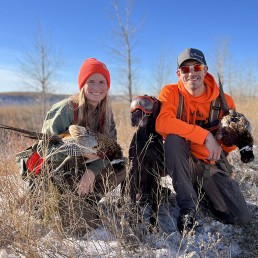
The Pheasants That Made It
By late season in the Dakotas, pheasant hunting becomes a game of wits. The blaze-orange crowds of opening day are long gone; what remains are the most alert, skittish birds, hidden deep in frosted cattails, always a step ahead.
A late-season hunt near Ashley, North Dakota, drilled that lesson home. Late-season birds are shadowy, suspicious creatures; finding them is hard, and getting close is harder. On public land, even the sound of a car door can send birds aloft before you enter the field. That day, we were forced to rethink everything.
Adaptation became our guiding principle. We circled in from odd angles, let the wind mask our approach, and sometimes, put birds in range that would’ve ghosted away. Late-season pheasants vanish into cattail jungles, shelterbelts, and river bottoms. Afternoons, after birds have settled in, are often your best shot. Fresh snow reveals tracks—but promises nothing.
There’s no secret formula. Every field is different, and every bird an individual. The only constant is unpredictability—and the need to adapt. That Ashley hunt sticks with me because the pheasants forced us to adjust on the fly. Every flush reminded us that late-season hunting is a test of patience and respect for survivors. In the end, those who return after the crowds are gone and take on the toughest birds in the worst weather find a different kind of satisfaction. It’s not about a heavy game bag, but the quiet rewards of adaptation, and the respect earned—hunter to bird, and back again.
Birds concentrate in thick cover—cattails or shelterbelts. Move quietly, work into the wind, and hunt in smaller groups. Don’t overlook public lands; by now, most hunters have given up, leaving opportunities for the hearty.
Late-season hunting demands more. Lightweight boots and thin gloves help you stay nimble. Keep dry and warm; plastic bags over your socks can save your feet. The physical strain of deep snow, heavy brush, and biting wind is real. Care for your dog: Check paws for ice, carry water, and don’t let them risk thin ice over waterfowl production areas.
Tips from avid late-season pheasant hunter Cayla R. Bendel
• Dress in layers, but not too many—you’ll warm up quickly slogging through cattails or pushing through thick cover. If you overdress, you’ll end up sweaty and chilled.
You can be among the first to get the latest info on where to go, what to use and how to use it!
• Use a mitten and hand warmer on your non-shooting hand; frostbite is real, and numb fingers can cost you birds.
• Get your dog to drink, even in the cold. Carry a collapsible bowl and offer water at every break—dehydration slows them down, even on snowy days. To encourage your dog to drink in cold weather, add a splash of low-sodium chicken broth or a few pieces of kibble to their water—anything that boosts scent and flavor can help keep them hydrated during long, chilly hunts.
• Hunt midday or late—after birds feed or head to roost—and, by the way, it’s warmer.
• Focus on overlooked cover—small corners, brush piles, or tiny draws others walk past. Change your approach; late birds pattern hunters as much as we pattern them. Try circling a patch from a different direction, or pausing for several minutes before moving in. Be ready for long, slow pushes through the thickest stuff. Don’t rush your dog; trust their nose and let them work methodically. Stay positive; one rooster can make the day, and every flush teaches you something new about these survivors.
Hunting pheasants in winter is a test of skill and patience. The roosters that remain have earned their place—and so have the hunters who pursue them. With every step through frozen grass, every heart-pounding flush, we connect with something enduring: a landscape, a legacy, and ourselves.
For more insight and tips for hunting throughout the year, check out the articles in every issue of MidWest Outdoors, available by subscribing on our website.
MWO
SHARE THIS POST
Did you enjoy this post?
You can be among the first to get the latest info on where to go, what to use and how to use it!
