Fall Fins and Feathers
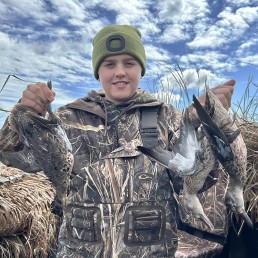
I love fall in the upper Midwest. This time of year brings some of the best fishing, and the start of waterfowl hunting—two of my lifelong passions. My parents got my brother and me started fishing at a very young age, and introduced hunting when we were a little older. I will never be able to thank them enough, but I have tried to show my gratitude by introducing my children to fishing and hunting. All three of my kids have been fishing since they were toddlers, and my son wanted to try waterfowl hunting at age 6. He has been a diehard ever since.
The cooling temperatures of September and October start the water temps in lakes dropping as well. This cooling of the water signals fish that the leaner times of winter and ice-covered lakes are approaching. Fish begin to feed voraciously, and many species begin moving back into shallower water than where they spent the hot summer months. Vegetation starts to wither, leaving prey fish fewer places to hide, and concentrating predatory fish in predictable locations. Frogs and minnows that spent the summer in shallow ponds and wetlands begin moving back to larger lakes through rivers, creeks, and channels, attracting fish to these areas to take advantage of the frequent and easy meals.
Recreational boat traffic reduces greatly at this time of year which, combined with fish feeding to prepare for winter, leads to the bite often going on all day, instead of the early and late peak feeding periods of summer. It also makes for quieter, calmer times on the water.
September brings the start of hunting, including my favorite—waterfowl hunting—in the upper Midwest. Early resident goose seasons and early teal seasons designed to intercept early-migrating bluewing teal before they slide south bring fun opportunities to lengthen the too-short waterfowl season. Check your state regulations, but you most likely will have opportunities to hunt resident Canada geese and/or teal in September, before the regular season for all waterfowl species gets going in October.
Most states in the upper Midwest have resident populations of Canada geese. They have gotten quite large in my home state of Minnesota, and we have had September early goose seasons for decades. These seasons are aimed at providing extra hunting opportunities while trying to keep the resident populations of these big birds under control. Scouting is vital for these early goose seasons, as the resident adult birds have been where you are year-round, possibly for several years. The juveniles have been around all spring and summer, so these birds have developed habits and patterns.
Depending on your local regulations, you may be able to hunt early geese on water, or you may have to get permission to hunt early crops like alfalfa and wheat. Either way, it is best to be where the birds have been going on their own. Huge decoy spreads are not necessary if you are hunting where they want to go. If you are trying to run traffic, then you may need a larger decoy spread. These early-season birds have not become call shy yet, so calling can be very effective, especially if you are not on the exact spot to intercept them.
You can be among the first to get the latest info on where to go, what to use and how to use it!
Many upper Midwest states offer early teal seasons. Blue-winged teal, especially, are early migrators, and an early cold snap of even a few days can have many of them into the southern states by the time regular waterfowl seasons open further north. If you are hunting during warm conditions with southerly winds, you will be hunting birds that spent the summer, or slid in earlier, so scouting will be important for success, as the birds will be in set patterns. Birds that have been in the area for a while move mostly early and late in the day, so plan your hunt accordingly. If you can be hunting in September during a cold front with west or northwest winds, you can see some nice flocks of migrating bluewings and some greenwings as well. This can have birds moving all day, and can lead to some exciting hunts. Any kind or duck or goose decoys will attract the attention of teal, so you don’t need to buy any special equipment for these early seasons. Be careful during these early teal seasons to identify what you are shooting at and only harvest ducks that are in season.
Once October rolls around, most or all duck and goose species are in season in upper Midwestern states. A lot of ducks migrate through the upper Midwest in the month of October. If you can, get out during cold fronts in October with north, northwest, and west winds to add new migrating ducks and geese to birds that have been around and are getting stale. In early season, smaller decoy spreads will often suffice. Once migrators start coming through, you will want to increase the size of your spread. Try to match decoy species to the species of ducks and geese in your area at the time, but most importantly, conceal yourself well for consistent success.
Man, I love fall in Minnesota; the reasons are obvious. Catch fish, harvest waterfowl, and make some memories!
If you enjoy spending time in the outdoors, check out the articles in every issue of MidWest Outdoors. Subscribe on our website.
MWO
SHARE THIS POST
Did you enjoy this post?
You can be among the first to get the latest info on where to go, what to use and how to use it!