
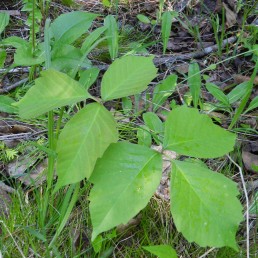
Disappearing Poison Ivy?
As boys, we were constantly roaming the woods and river, and we were plagued by poison ivy. The constant itching and painful rash was horrible. It seemed poison ivy was everywhere and as soon as we went outdoors and came home, we were soon scratching and itching.
For us kids, posion ivy always seemed worse in the fall, winter and spring, but virtually disappeared and seemed nonexistent in the summertime! It seemed odd our constant nemesis of the outdoors didn’t seem to affect us hardly at all during the warm months?
The “miracle” disappearance in the summertime was because the plant’s irritant, urushiol which coats the leaves and branches of the plant is somewhat water soluble. Urushiol washes off in water! The boys and I almost lived swimming in the river in the summertime. We virtually kept the nasty irritant washed off our skin.
If anything, urushiol is persistent. The irritant can cling to boots, clothes and work gloves for months or even a year. When a young child comes down with a case of poison ivy out of “nowhere”, it may be from playing with or handling Dad or Mom’s work boots or gloves.
If you have been exposed to poison ivy, one of the best preventatives of developing the accompanying itchy rash is to take a long, cool shower. Keep the water cool… don’t use hot water and don’t use soap, as you risk breaking down your skin’s natural oils which help block the urushiol.
It used to be the only relief was found from using the good, old standby Calamine Lotion. It still works, but the pharmacist has many other effective treatments.
You can be among the first to get the latest info on where to go, what to use and how to use it!
The Cleveland Clinic states: “Rashes from poisonous plants usually go away on their own within a week or two. In the meantime, poison ivy treatment includes over-the-counter medications that can relieve the itchy rash: Anti-itch creams: Poison ivy creams include calamine lotion (Caladryl®) and hydrocortisone (Cortizone®). For blisters that start weeping or draining, you can use topical astringents made with aluminum acetate (Burow’s solution or Domeboro®).
Antihistamines: Antihistamines include medications such as diphenhydramine (Benadryl®).
Your healthcare provider may prescribe a poison ivy rash treatment if it becomes more severe or forms on the mucous membranes of your eyes, nose, mouth or genitals. They may recommend an oral steroid such as prednisone.
If you enjoy spending time in the outdoors, check out the articles in every issue of MidWest Outdoors. Subscribe on our website.
MWO
SHARE THIS POST
Did you enjoy this post?
You can be among the first to get the latest info on where to go, what to use and how to use it!