
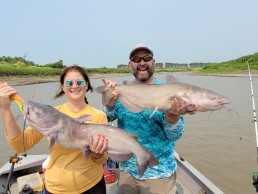
Catfishing During Low Water
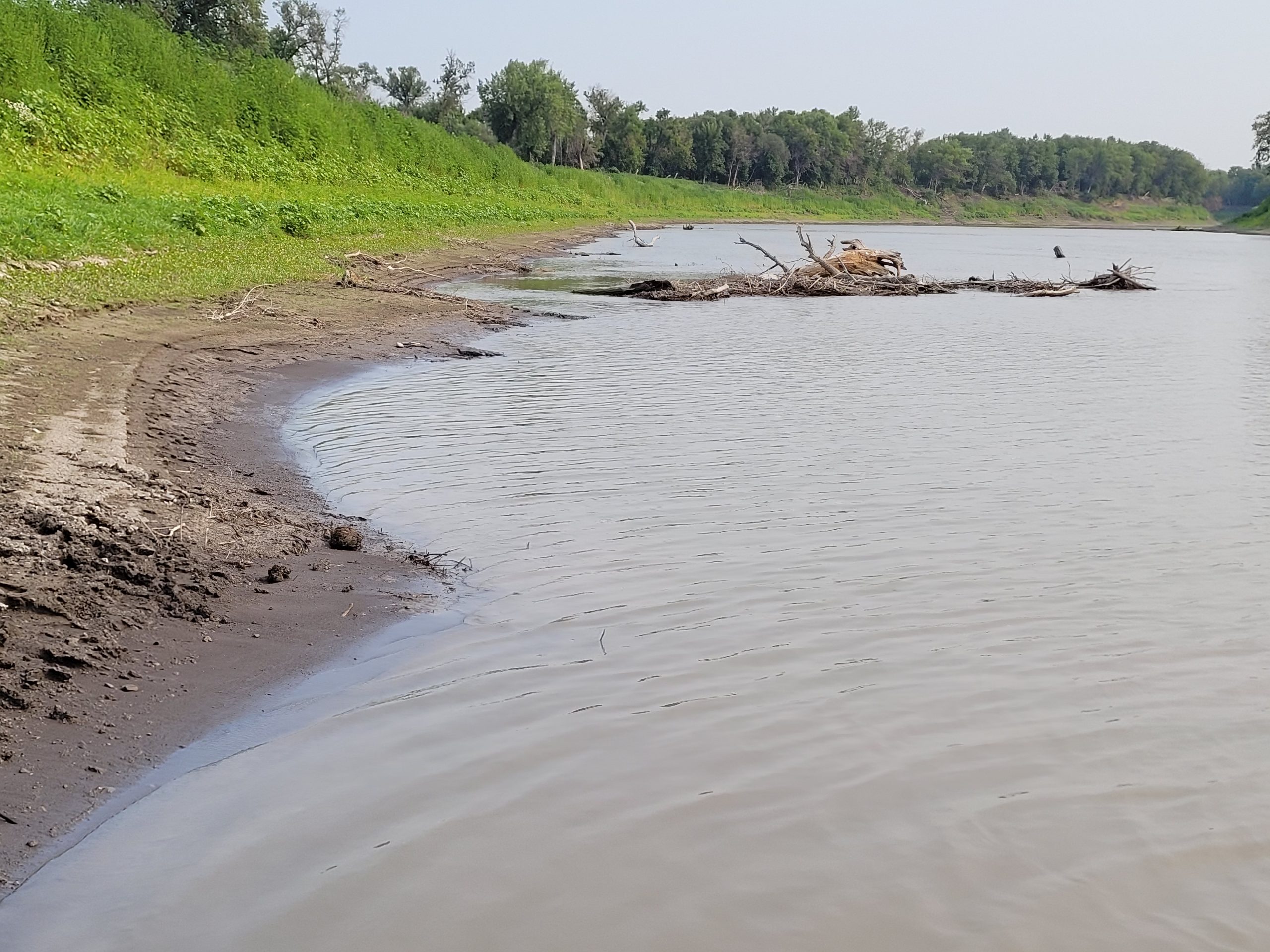
As I write this, it looks like many catfish anglers in the Midwest and Plains states will be dealing with dry or drought conditions. Some years, Mother Nature plays nice, and keeps river levels normal to at least navigable; other years, well, we have to make other plans to stay on catfish.
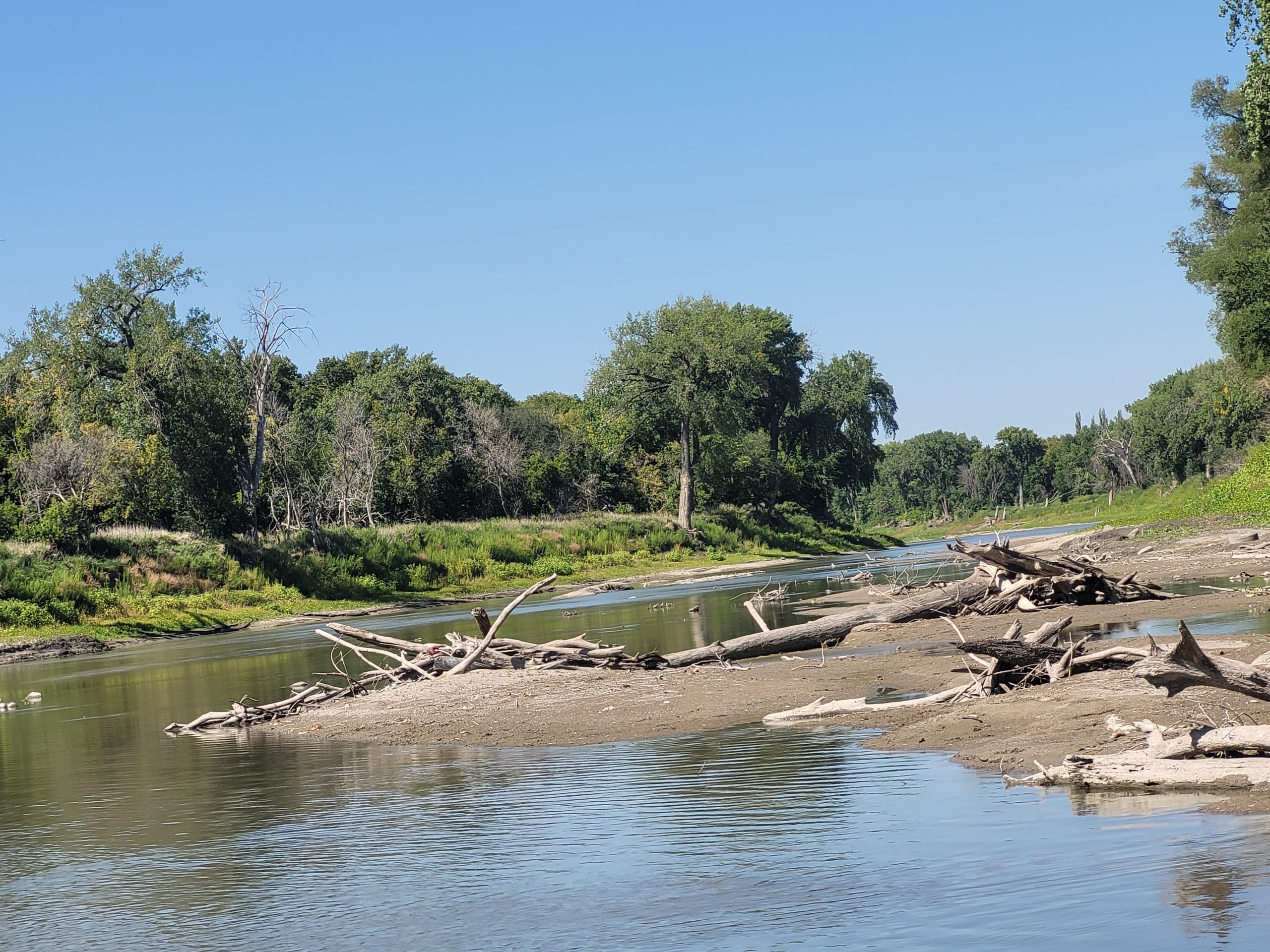
When I think about this topic, two years come to mind: 2012 and 2021. Those two years are the lowest I have ever dealt with, and both provided unique challenges for mobility and staying on fish.
Starting a season off with low water usually means that things warm up early and start with a bang, especially in the North. With very little runoff to bring in cold water, the sun does the work. And when the water temperature reaches 50 degrees, it is go-time for catfish.
Many years, when things warm up quickly, anglers miss the best of the pre-spawn bite because it happens before they normally start fishing. I have been catfishing in late April, which is very early for the North Country. Anglers in other places around the Midwest can be fishing as early as March.
Normally, spawn is not changed from the “normal” few weeks of the year during low-water years. When there is very little current, catfish spawn off the drop-offs of rivers, or under structure that breaks what little current there is.
In the forementioned years of 2012 and 2021, if you could find fast-running water, you could find fish. And fish that were not spawning at any given time were using that fast current to feed. There was no need to fish slower during the spawn like we sometimes do, because all you had to do was find the fastest water (which was not very fast, but was providing heavier current) and fish current seams. All the active pre-spawn, and then post-spawn fish, were feeding in those areas.
This season is shaping up for that to be the case again. If you end up in an area where you cannot find pockets of fast water that are holding fish, it is a good idea to cover very traditional, outside bend areas that provide a little bump in current, even if you cannot visibly see the difference from other areas.
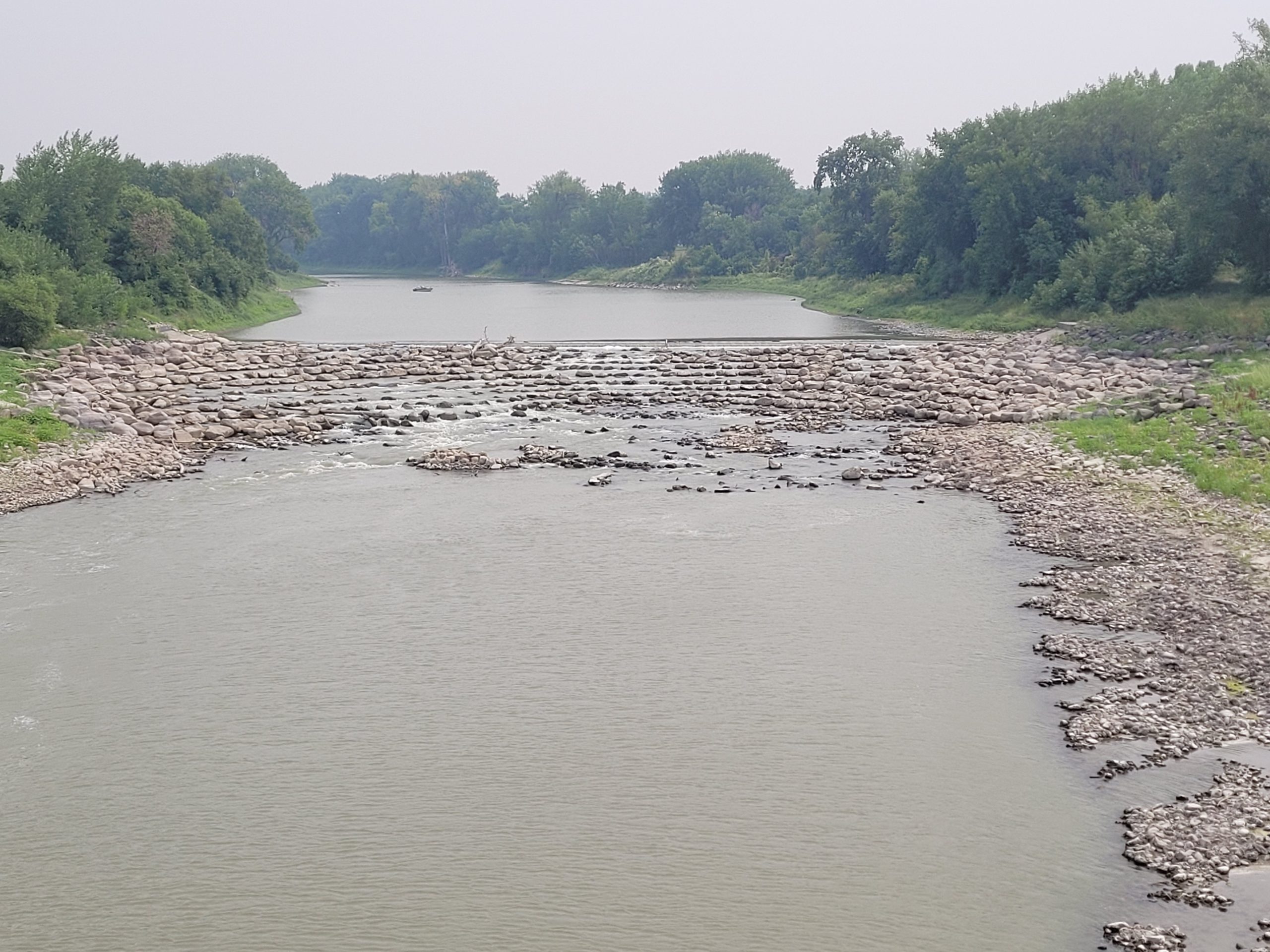
Other great places to search for catfish are below dams where the water is stirred up and oxygenated. Sometimes, they may not be right up at the dam, but rather downstream, not that far away. I have seen conditions where catfish will feed in the dam, and then move downstream, out of the current, to rest until the next night’s binge.
You can be among the first to get the latest info on where to go, what to use and how to use it!
Sometimes, the water gets so low that bigger boats like mine can’t use the local boat ramps. You may not be able to get a boat in, but these very low areas can sometimes provide some of the best fishing. There are a couple things that you can do to get in on this action.
The first is to walk and fish from the shore. In our river, downstream from some of the dams, or even in some of the tributaries, the river gets so small that you can work the entire channel from shore. Just walk along, looking for faster water that leads into the holes. These areas are typically easy to find visually.
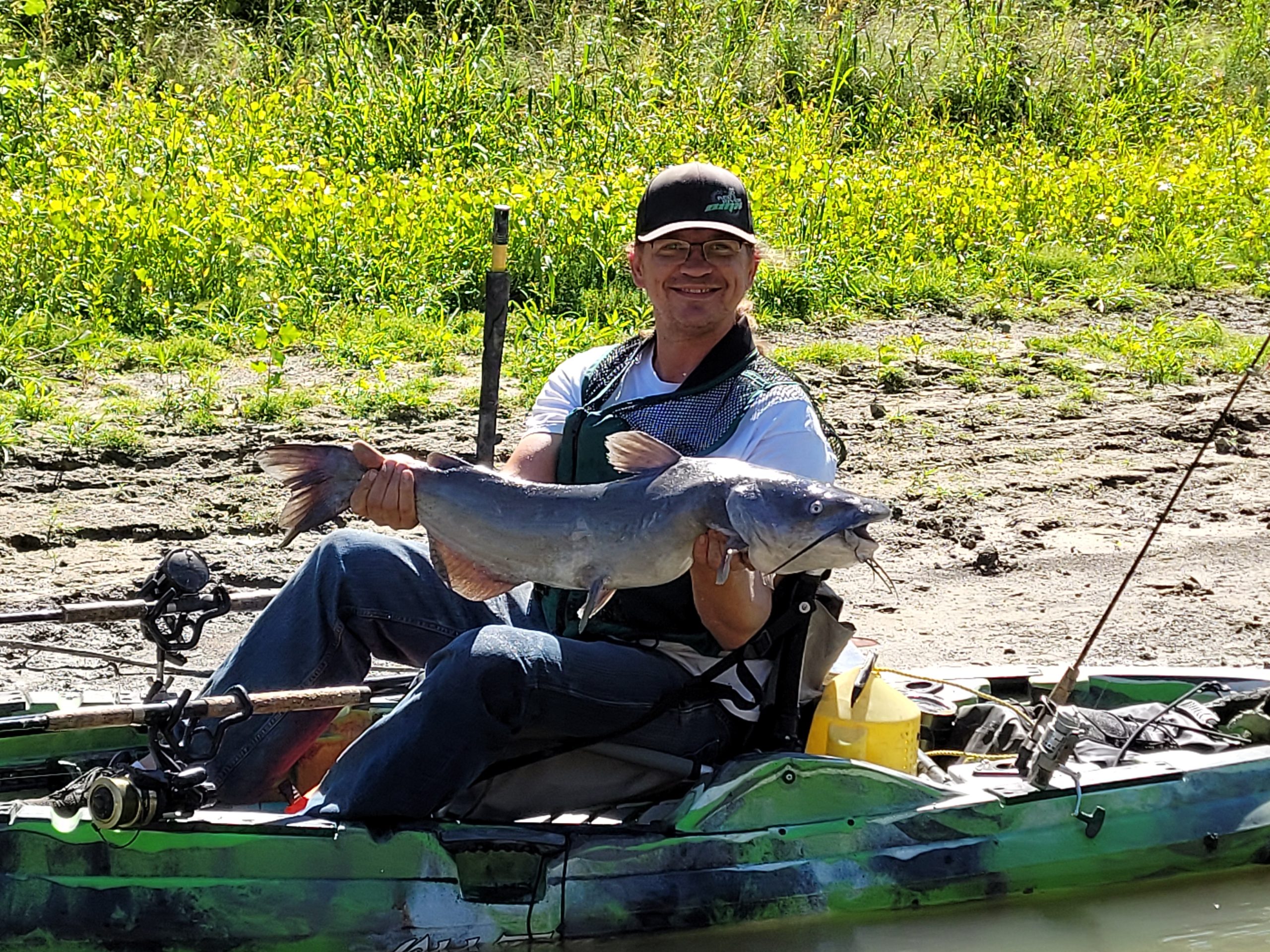
The second way to get to these hard-to-reach areas is with a kayak. It may be a lot more work to fish, because you will want to go out further, but it can be incredibly successful. In 2021, this is how we got onto catfish in the section of river I like to fish the best. The fish were there, but access was tough, and kayaking was the best way to get to them.
When getting into very low water, if it is not in the cards for you to run your boat in river sections, you can safely usually fish above dams that hold water back. There is some give-and-take here: There is far less current, because a river is backed up by a dam, but you will have enough water to run a boat safely.
When fishing above dams, there are a few strategies to try. See what works for you on any given day.
Option one is trying to drive away from the dam to where the river starts to shallow out and narrow, creating current. Option two is to fish as mentioned earlier, in corners where the water swings out over holes on bends. The third option, thanks to new technology, is to find shelves near any current you can find to see suspended fish, and then run a float rig.
A float rig may also be a great idea to slowly work current breaks, because it will move your bait slowly through the seams to try to get the bait into the strike zone of a catfish. This is an old and often-forgotten technique for catfishing in rivers, but can still be very effective.
Dealing with low water can make things more challenging. It is more difficult to get around, and can even be hard on gear if it is too low. These tips are a few ways to stay on fish, as they may be a bit stressed and moving in areas wher you don’t find the fish during normal conditions.
Keep these tips in mind and you will be able to catch catfish with continued consistency during low water.


Did you enjoy this post?
You can be among the first to get the latest info on where to go, what to use and how to use it!