
Up Shirt’s Creek, With a Paddle
If it hadn’t been scary, it would have been funny. The only sign of my fishing buddy after a loud “Kerplunk” sound was his hat floating in the river. He didn’t shout or otherwise make a sound. We’d been perched on two filthy logs, wrestling our Jon boat over them, and down he went—the slick raccoon poop on the logs not helping matters.
Thankfully, he surfaced quickly. There was initial shock when he was none too happy with my plan to cross this river obstacle, among many that day, when he’d sensibly suggested that we portage around it instead.
That episode, and many more river misadventures since, have still been worth the memories made. No one has drowned, and injuries not too serious—just the loss of some tackle, and one time, a buddy’s cell phone and truck keys. Another time, I was even hailed as a hero at work when I took a notorious, upper-level manager, who then was out sick for two weeks after a cold, wet day on a rough river stretch. It concluded with him tumbling down a muddy bank on the way out, straining his back. I had seen my last job promotion.
What makes it worthwhile, besides the stories to tell? The fishing. It’s often very good, even remarkable. Rational people usually don’t get into these places, and the gamefish populations they hold rarely encounter any anglers. In the worst (or best?) of these haunts, there may be large river beasts that have never seen a lure until you get there, and the sheer number of fish can be silly.
This type of fishing isn’t for everyone, but let me share some suggestions if you try it. Opportunities for doing so exist in small rivers and creeks throughout the Midwest, so chances are you’re not far from your own memorable misadventures if you decide to have a go at these waters.
Rough creek gear
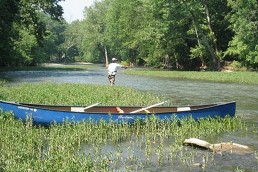
Fortunately, there have been major advances in watercraft and equipment across the years your humble author has been plying small, flowing waterways. Heavy Jon boats and canoes have been replaced by much lighter, narrower, yet stable kayaks or canoe/kayak hybrids. Personal flotation is now slender, comfortable float vests or jackets, and storage of items in floating, waterproof cases has become the norm.
Heck, there’s even been something called cell phones for many years now, when the only plan for help in a bad miscue used to be finding a way to reach the nearest other human around—typically a surprised and not necessarily happy property owner.
Besides the commonsense safety items and small, light watercraft recommended, keep other considerations in mind. Weight on board needs to be kept to an absolute minimum if there are lots of obstructions to deal with. You don’t need much tackle, and these types of waters are not suited to motors and batteries at all, unless you really want to suffer. Just a paddle, plus a very light anchor or drag like a bit of chain; that’s it for navigation.
One modest exception to the bare minimum weight standard is hydration, and I’ll spare you the stories of getting this wrong. Think of the fluids you’d like for a typical fishing day in whatever weather you’re facing, and double it at a bare minimum; tripling it would be better. Plan on it being a workout; anything less is a bonus.
Another consideration is insects. In the warmer months, especially early summer, fierce, biting flies can make mosquitoes seem enjoyable. So, bring your favorite repellents, but head nets help, too. And thankfully, today’s quality clothing can have you in long sleeves and pants without overheating, also since you’re often under a shady canopy.
Okay, there could be a whole article on more prep, such as first-aid items and snacks you can eat without touching, since your hands may be fouled with rodent poop. But let’s move on.
Strategies and maneuvers
If this is starting to sound like a jungle recon mission it’s because it is, and sound planning makes a difference. Sometimes, access point realities leave no choice but to gamble a bit if you’re ever going to explore a promising, small river stretch. But given a choice, always err toward shorter stretches if you can, since you never know. Even if the satellite view on your phone looks navigable, don’t bet on it.
You can be among the first to get the latest info on where to go, what to use and how to use it!
New stretches of substantial length are best met with two anglers and a downstream vehicle, or help to spot yours or pick you up downriver if going solo. If strictly on your own, it’s best to go upriver, then back down, in all but the slowest of streams, or you could be in for an extra-tough bass kicking getting back to your starting point.
Water level is also a major consideration. Overall, decent to somewhat high, but not flooded, water levels are better for getting through small river or creek stretches. You simply get to float over or around more of what will block you in lower water levels. Here and there, yes, lower water lets you get under a log instead of over or around it. But overall, it brings more work and less fishing time compared to better water levels.
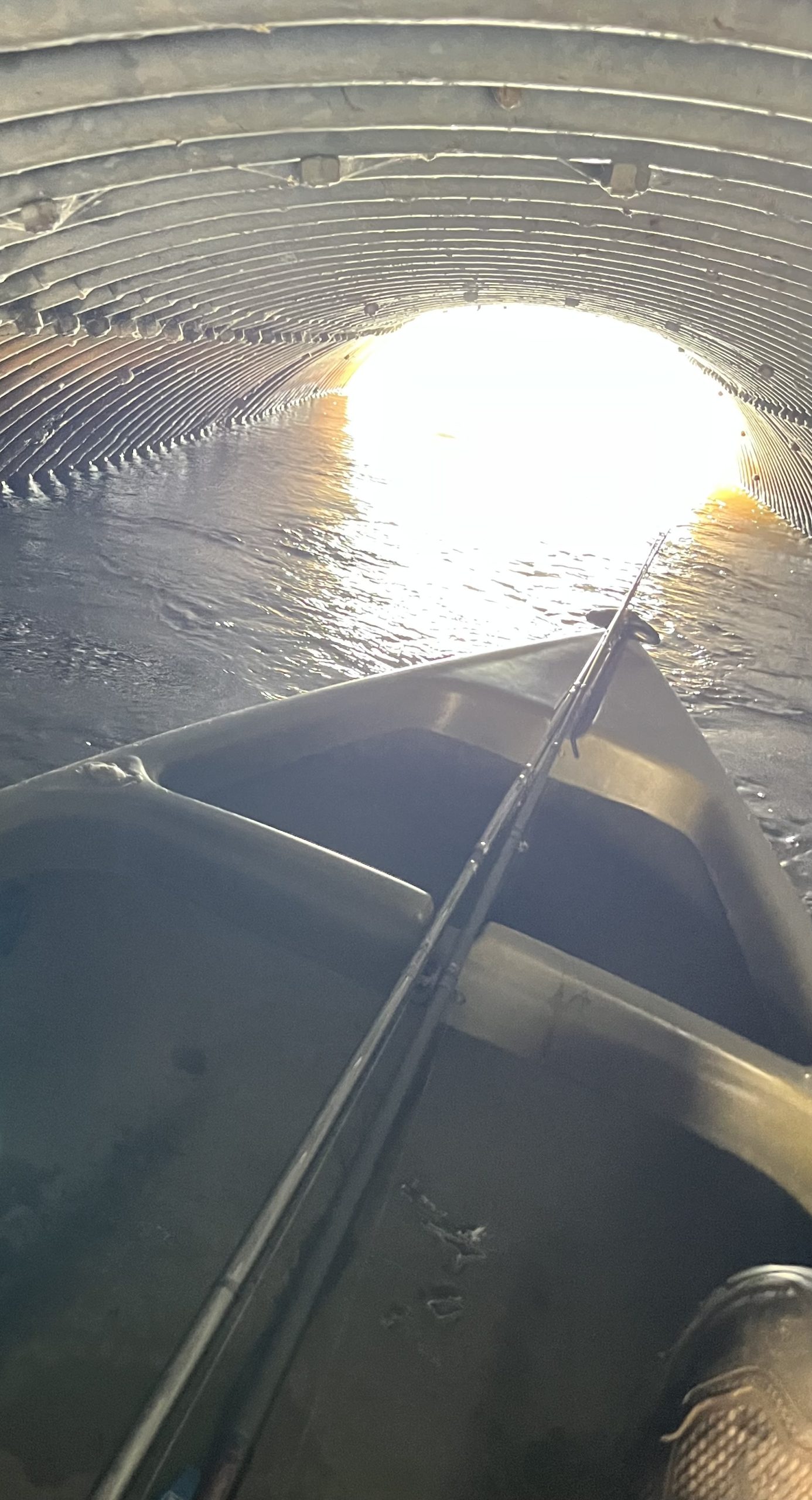
Like everything else, direct experience is the best teacher, but here are a few maneuvering considerations. There likely will be tempting, usually smaller channels and oxbows off the main flow—sometimes well worth exploring, other times a dead end and a long fight back out. When flowing, they are not a true dead end; they return to the mainstream at some point. But that can narrow into a real daunting mess of downed timber or other challenges that can take a big part of your day to deal with.
So, at least the first time through, and if you can’t tell from a satellite view, look for where they return before trying them out, for a better guess at the side trip effort. One time on a new stretch, we never did get back out of such a foray. It turned into a long and narrowing, man-made side channel where, fortunately, we did reach a park. which let me start the long hike to retrieve our truck.
On the paddle itself: You’ll learn lots of maneuvers if you’ve not done much of this before. One benefit of light, not overly-wide “yaks” is what can be called the “bobsled.” A tangle of limbs, maybe even a log or two that’s at least a bit underwater, can often be traversed by a two-hand, strong pull through or over the obstacle. Containing fishing rods down low and within the perimeter of the yak helps, unless you’re looking for an excuse to buy new ones.
There are more moves, like the simple straddle of a log as you pull your watercraft over it, but they are self-explanatory and learned through more practice. So, we proceed.
Alas, the fishing…
Thankfully, this is the easiest part of the jungle river experience, since these fish are wild savages that don’t encounter anglers. The formula is simple: Use a sensible lure, cast it, retrieve it, catch fish.
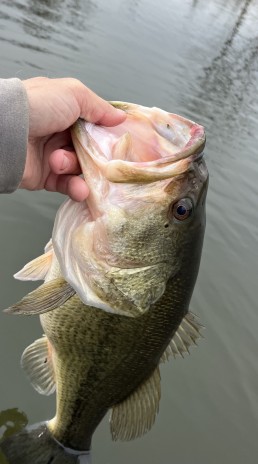
Spinnerbaits are tough to beat for forgiveness in cover; so are weedless spoons, and soft plastics like jerk shads rigged weedless as well. It’s mostly going to be shallow; deep might be anything over two feet, so you don’t need many lures. But use a light wire or good-quality fluorocarbon leader; there will probably be pike and possibly bowfin along with the nice bass, both smallmouth and largemouth, that you’ll be tangling with.
Less-forgiving lures like treble-hooked topwater offerings and floating minnow baits still work great if you cast them well enough. They get over most cover just fine, but easily get stuck in branches if your casting isn’t accurate. A shorter casting rod, say 6 feet, seems to help compared to swinging around a longer version in the jungle.
Let me conclude this discussion with a bit more on why you may want to try it: How fun the fishing can be in these places. It’s easy to lose count of all the predators that you can catch: 20, 30, 40 or more per angler, across multiple species, without that much casting time, since the hard work part can take up much of the day.
Yes, many of the fish can be smallish, but there is quality, too: 3-foot pike and 18-plus-inch bass are much more common than they are in easily-accessed public waters. They are waiting for you to educate them. Be safe, have fun, and go teach them a lesson!
Did you enjoy this post?
You can be among the first to get the latest info on where to go, what to use and how to use it!
