
The Spring Fling for Panfish
A steady warming trend was an encouraging sign to purchase some live bait. The snow had melted away and the air felt different outside. With waxworms and red worms secured, the next stop was to check out the local catch-and-release pond.
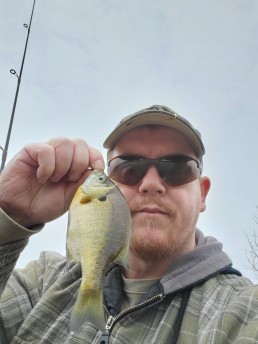
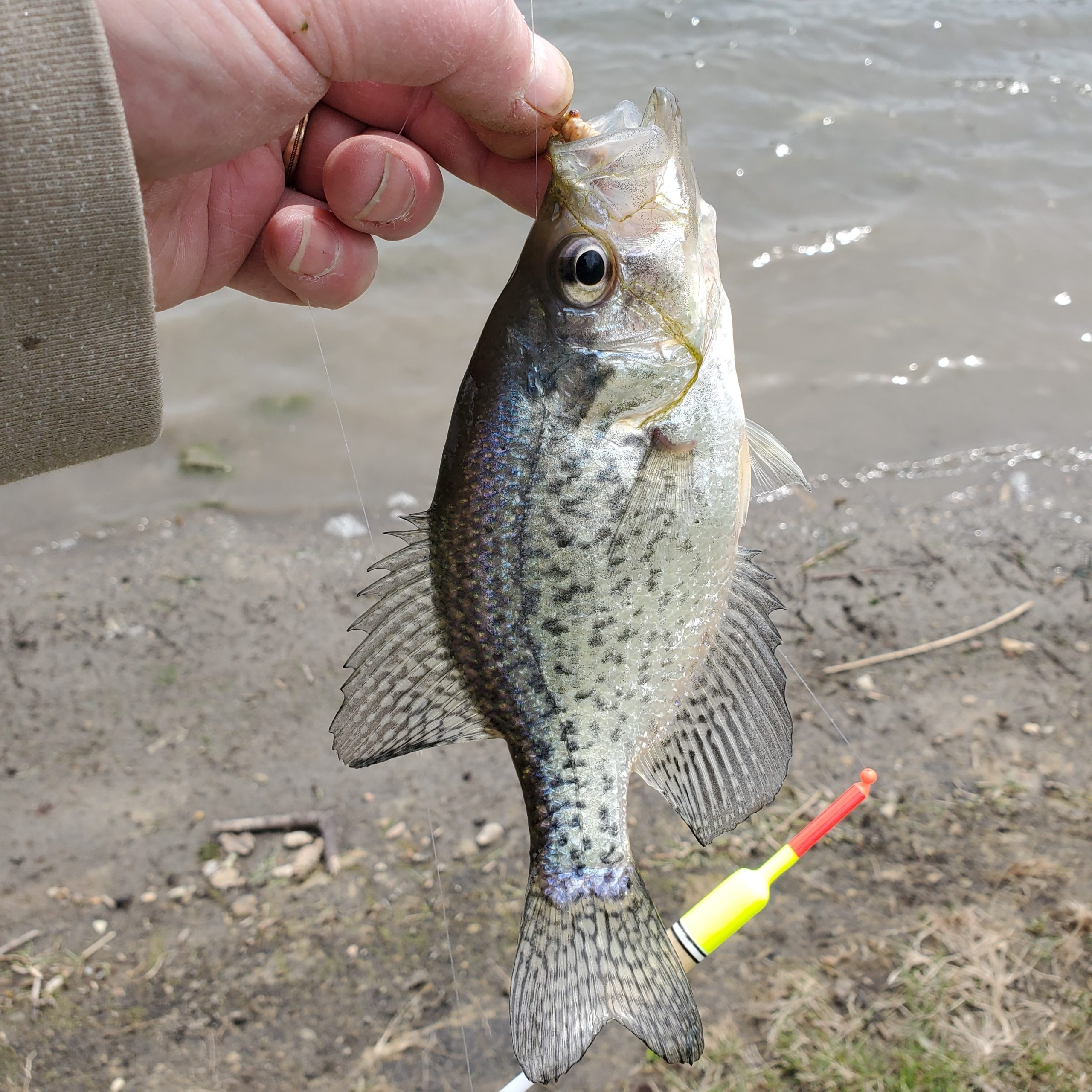
My first cast didn’t have to be perfect, but needed to fall somewhere outside the primary weed line and first drop-off. The float landed gently, and my tiny darter head jig sunk to the depths to begin the wait—a first watch of sorts for signs of activity. It didn’t take long before the slip float wiggled then started to turn back against the gentle wind and current flow. A quick snap of the wrist snared a decent but thin crappie. Not a bad start with crappie showing up first. This was a good choice, I thought.
Coming out of the doldrums of winter into warmer days, rain replacing snow, and a breeze that’s not biting through layers, triggers the rebirth of fish activity. The water is still chilly, but the fish recognize the awakening of spring. Snow geese, sandhill cranes and other migratory birds give away signs each year, first as they depart for warmer climates in fall, and again returning in spring as winter loosens its grip.
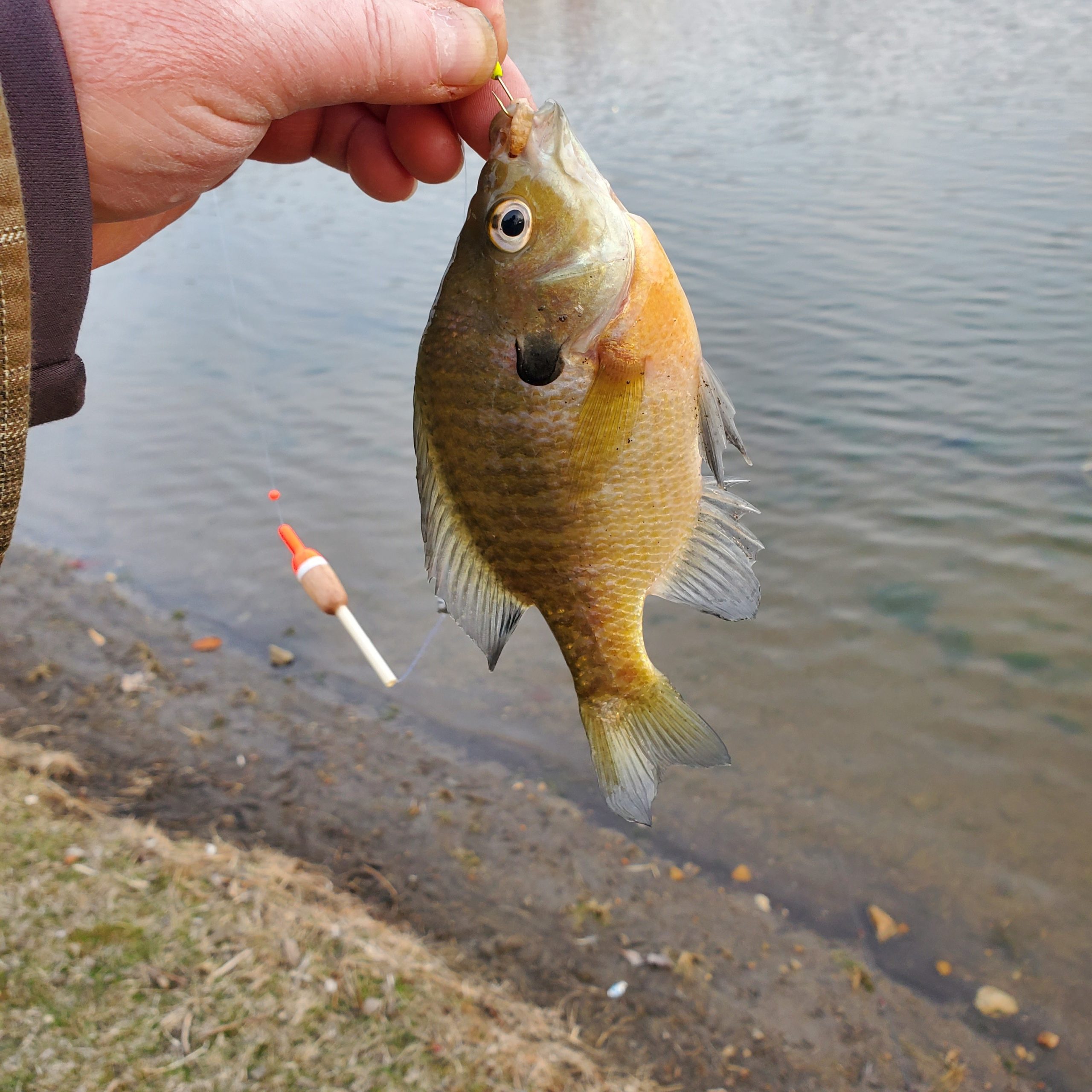
That’s also a signal for those suffering from cabin fever that fortunes will turn: A transition from making sure there’s gas for the snowblower, to having fresh line on your reels and bait for the trip to search for panfish. Yellow perch, crappies, bluegills and sunfish all start to become more active as bright, sunny days warm their environment. Expectations grow, but remain harnessed in understanding that this is the beginning of the season and fish activity has not peaked.
At this time of year, I see open water, but I’m still thinking like someone who’s ice fishing. The rod and reel combos might have changed, but the presentations are still productive with a vertical approach. Fish aren’t as likely to chase down baits as much; you find yourself tempting them to bite with a gentle twitch of ice jig and worm or jig and small plastic. I’ll add a piece of worm as a sweetener to the offering—but more on that a little later.
The target waters are mostly dark-bottom ponds and small lakes that warm up quicker than deeper, clear water ones. Their shallow nature and dark bottom absorb sunlight and heat. A pond or lake like that with riprap is even better, as rock/concrete holds heat well.
Mobility is key to locating fish and the most productive areas. To ensure this, I pack a small Plano tackle box with 3500 series totes containing ice jigs, slip and spring floats, hooks, split shot sinkers and bobber stops.
The gear is standard for what I use all season long, but the baits and presentations are tailored to slow, vertical presentations in a fancast-and-drift approach, supplemented with a twitch every so often. The subtle, fluttering action of an ice jig or flick of the tail on a jig like the Custom Jigs and Spins Ratso can fool the leeriest panfish to investigate. This is where I feel the aforementioned “sweetener” piece of worm closes the deal, enhancing scent and drawing the strike.
I use the smallest float/bobber that I can, where a single or double split shot added above the jig needs only the slightest pull to draw the float under the surface. That lack of resistance can be frustrating, as small weeds may foul your bait and pull it under as the wind and current moves it along. The tradeoff is that it’s equally as sensitive when a crappie or bluebill snatches up your jig. The preferred jig style has a horizontal line tie so the bait almost swims in the current, instead of a horizontal jig like a rocker or teardrop-shaped one.
You can be among the first to get the latest info on where to go, what to use and how to use it!
Rods and reels vary from old, vintage, 6-foot to 6’ 6” fiberglass spinning rods with 1000 size spools, to 5-foot to 6’ 6” graphite models, all in ultralight or light power, with softer actions. I have a handful, like the Ted Williams special light rod, Garcia ultralight, to more modern Abu Garcia Black Max and Bass Pro Wally Marshall combos. I haven’t experienced much difference in success from one to another, but reduced line diameter and rod length have benefits and drawbacks depending on the area you’re fishing. Shorter rods are excellent for cast control, accuracy and closer-in work; longer rods aid in firing casts further and picking up the line quicker upon hookset.
The gear ratios on my reels vary also with the older, smaller ultralight reels having a 4:1 to 5:1 retrieve ratio, versus the newer, larger 1000 series, which all have 5:1 or 5.2:1 gear ratios. That’s how many feet of line that are recovered per turn of the reel handle; higher is typically better with practice, but not always necessary.
Line choices are simple too. I have 4- to 6-pound monofilament on most reels with slip floats, split shots sinkers and jigs on two of three combos. That line is changed every year, or every other year, depending on the number of trips taken. Nothing stays on the panfish reels more than two years, as I’m a firm believer that fresh line is cheap insurance like maintaining your vehicle. Enough casting, line twist, UV exposure, weeds and rocks will deteriorate the best fishing lines.
Although I have braided line on other combos, those are mostly later in the year, Swiss Army knife-like for casting lures for big panfish and small bass. If you prefer braided line on most everything, I recommend a leader line of 4-pound mono or fluorocarbon, since I can still sling the slip float out as far as I need to with mono tied on the reels. The tiny jigs are matched nicely and present a tempting and tasty offering.
Selecting fishing jigs for panfish can be as simple or as difficult as you make it. Do I use a 1/64-ounce round head or 1/32-ounce, a rocker or teardrop style spoon, a horizontal darter style or Ratso, Ratfinkee… and gadzooks, what size hooks? I prefer size 8 and 10 hooks on my jigs for early season (now), and move up to size 8 and 6 for mid-late season trips. All are well suited for adding a waxworm or piece of redworm. You may catch some fish with any of these, but I’m looking to maximize my search efforts, so opting for smaller sizes initially pays greater dividends.
When crappies, bluegills and sunfish are preparing to spawn, you will catch them on anything they can snap their mouths around. But we’re not there yet, right? It’s just the beginning of spring, so conditions dictate slowing down, subtlety, and being patient. I’ll even tap my forefinger occasionally on the rod handle as a bait is sitting still, to make it twitch and flick underwater.
Closing the deal sometimes requires strategy. Fancasting along different depths and areas becomes easier by simply sliding the bobber stop up or down your line to adjust depth. This is part of the early season trial-and-error in our search.
We’re ready for spring baseball, playoff hockey, but most of all, open-water fishing. The close of winter and rebirth of nature from winter’s gridlock gets the blood pumping in all of us. New tackle, rods and reels are taken out and given their break-in, with encouraging results. The birds are singing, the grass is changing from brown to bright green, and there’s hope for our future. The signals are clear: It’s time to get back out and enjoy fishing in the great outdoors!
Did you enjoy this post?
You can be among the first to get the latest info on where to go, what to use and how to use it!
