
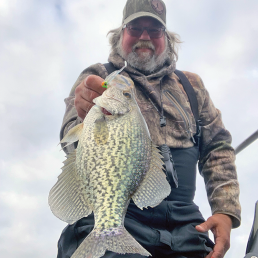
What to Do When Crappies Don’t Bite
There are many reasons that crappies don’t bite: Barometric pressure, muddy water, cold water when they just don’t have to feed all day long. Fish just don’t bite all the time, but there are ways to trigger strikes from reluctant crappies. You still won’t catch as many as when they are biting well, but catching a few on a day when you were going to catch none is a great day. Check out these options for crappies that don’t bite to put more fish in your boat.
Cold front crappies
A cold front will shut down the crappie bite quicker than anything. Wintertime cold fronts affect the crappie bite just like as any other time of year. When the water temps drop just a degree or two, crappies tend to seek cover and tend to have the proverbial lockjaw. During this time, even live bait sometimes won’t entice these crappies to bite. But one thing will—your regular old crappie jig. By utilizing a technique with your crappie jig, you can make crappies bite with a reaction strike.
A jig can trigger strikes from reluctant cold front crappies when nothing else will. When crappies cling to thick cover, they’re usually not feeding. They use brush to wait out a cold front.
Crappies in brush
The trick to knocking on wood to get crappies in the brush to bite—or react to your presentation—is to lower your jig into the cover with the crappies. A good fish finder will help you stay on top of the cover. When your jig is in the cover, raise it up until you feel it hit a piece of it. When you feel it hit, then lower the jig back down, then quickly bring it back up to the piece of cover you felt before. This will tap your jig head on the piece of cover and create a ticking sound. This will trigger reaction strikes from crappies. I guess that the noise created by the jig drives them crazy and they just want to shut it up.
Color can make a difference, too. Change up the color of your jig to see what the crappies want that day.
I’ve seen this crappie technique work as deep as 30 feet and as shallow as 2 feet of water. To fish in the brush for crappies that don’t bite, you need a jig that will get down to the cover quickly. A 1/8-ounce jig is perfect jig for this presentation. The marabou tail collapses on the fall and has very little drag during the fall. This, together with the heavy head, will get your jig down quickly and straight. The marabou will pulse in the water even when deadsticking the jig after knocking on the wood. This gives your jig just enough action to trigger the reaction you’re looking for.
You can be among the first to get the latest info on where to go, what to use and how to use it!
It’s not as easy as it seems
Knocking on wood isn’t as easy as it seems. It took a while for me to get proficient at it without getting hung. But those old timers gave me a couple tips for fishing brush for crappies that don’t bite. They told me to use a heavier jig. The initial thought is to downsize to a small jig when crappies aren’t biting, especially in cold water, but for this technique, you need a heavier jig. The weight helps the jig to drop straight down into the cover. It also helps you feel the brush once there.
The other tip was to use a dull hook point. Crappies get the nickname papermouth for their soft mouth. They are known to rip open and come unhooked. Using a dull hook will still stick a crappie and help keep you from getting hung as much. If you do get hung, the dull point will make it easier to work it loose. Also, the heavier head helps to dislodge your jig hook when it hangs up; just give a little slack and jig the rod tip.
The point here is to not disturb the brush or whatever cover you’re fishing. Getting hung and pulling on the cover to break off runs the crappies to another brush pile, ultimately leaving yours all together. The heavy head will also emit a loud knock when you’re “knocking on wood.” This technique takes practice, but once you master it, you will be able to catch a few crappies, even when they don’t want to bite.
Looking for some new fishing techniques to try this season? You’ll find plenty of suggestions in every issue of MidWest Outdoors. Subscribe on our website.
MWO
SHARE THIS POST
Did you enjoy this post?
You can be among the first to get the latest info on where to go, what to use and how to use it!
