
Predator Pursuit
The Mid-South isn’t just deer and turkey hunting; it’s a nirvana of predator country. The abundance of farms, fencerows, and wooded river bottoms makes perfect habitat for coyotes, bobcats and foxes. Now that deer seasons are all but a memory, it’s the perfect time to do a little predator hunting and calling.
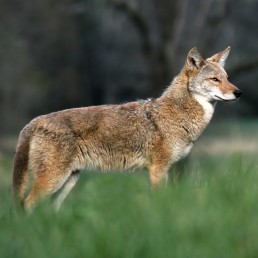
The coyote is the most predominant and adaptable predator; you can find them anywhere from suburban neighborhoods to hardwood bottoms. They tend to feed on rabbits, mice and birds. Opportunistic feeders, they will take turkeys, fawns, and at times quail. Coyotes are a worthy adversary in that they have excellent eyesight and a sense of smell that’s nothing short of amazing. A range of calls work on coyotes but they are quick to become “call shy.”
Next up are the red and gray fox. Foxes feed on basically the same things as coyotes and can be quite hard on a rabbit population. The main difference is range. Foxes tend to work a smaller, core area than their canine brethren. Also, foxes respond better to softer calling.
Finally, the bobcat is a majestic creature with the attributes of the smartest housecat you have ever seen. Bobcats feed on anything smaller than them, plus the occasional fawn. These supercharged felines eat more upland birds than any of the other predators. Each state has adopted seasons and regulations for bobcat harvest; check your local laws before pulling the trigger.
Predator hunting is equal parts scouting, patience, and calling. You don’t need fancy gear, but you do need to think like your quarry.
Step 1: Scouting the land
Look for tracks, scat, and trails along property edges and creek bottoms. Listen for howling around dusk or dawn. All of these will shed light on where to set up.
Step 2: The setup
Whether you use hand calls or electronic calls, the setup will be the same. The wind must be in your face as predators nearly always circle downwind before showing themselves. Also, keep cover behind you to avoid being skylined. The optimal setup lets you see the animal before they see or smell you.
You can be among the first to get the latest info on where to go, what to use and how to use it!
Step 3: Calling
Anything from simple hand calls to a modern electronic call, such as a Fox Pro unit, will work well. The advantage goes to Fox Pro units because of the multitude of calls and sounds you have access to. Most sounds work for coyotes, and the higher-pitched calls are best for foxes and bobcats.
Keep your calling sequences short—like 30 seconds to a minute. A rule of thumb is to wait three times the length of your sequence to start calling again. Predators are extremely smart, so it does not take much to make them call shy.
Step 4: Guns and gear
Even though most predators are small in stature, they are certainly not easy to kill, so accuracy is paramount. The .204 Ruger and .223 are both outstanding choices. If you’re planning to sell the fur, the .22-250 and .204 are the best options. In tight cover, a 12-gauge is surprisingly efficient. You can find loads and chokes designed specifically for predator hunting. Throw in some camo clothing, a pair of shooting sticks, and a chair, and you’re in business.
Most predator hunters work early mornings, late evenings, or even after dark (where legal). Winter and early spring are prime times; food is scarce, and pelts are at their best. Once you start calling, stay patient. Coyotes may come charging in within minutes, while bobcats often sneak in after 20 minutes or more.
Predator hunting sharpens your fieldcraft, builds your shooting discipline, and keeps you outdoors long after other seasons close. Start simple: Learn to read the wind, practice your calling, and pick setups with good visibility. Before long, you’ll feel that surge of adrenaline when a coyote breaks from cover or a bobcat ghosts into range.
For more insight and tips on how to make the most of the time you spend hunting, check out the articles in every issue of MidWest Outdoors, available by subscribing on our website.
MWO
SHARE THIS POST
Did you enjoy this post?
You can be among the first to get the latest info on where to go, what to use and how to use it!
