
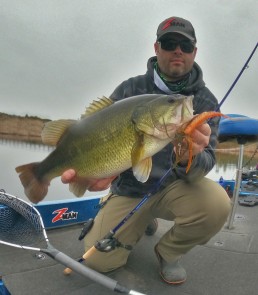
Fishing Prior to a Front’s Passage
We can’t control the moods of fish, but we can trigger responses during the passage of weather fronts. It’s possible to counter cold fronts, but is always challenging. Anglers who force themselves to abandon yesterday’s hot, pre-frontal fishing pattern and figure out a new one will catch the most fish.
Spring cold fronts are the worst, temporarily shutting down the pre-spawn movements. Summer cold fronts are tough but tolerable, and will fire up the fisheries in ways described above. Fall cold fronts, on the other hand, are welcomed and wanted to trigger feeding binges and wintering movements.
Pre-frontal strategies
The weather ahead of cold fronts often leads to favorable fishing conditions. The weather is gradually changing before the front moves through. As wind picks up and cloud cover increases, triggering underwater activity.
In these situations, largemouths and smallmouths often increase their feeding activity and go on the move. As a result, feeding windows emerge, and the potential for very high and quality catches increases. Most feeding fish move shallower.
In these instances, before the front arrives, fish quickly to cover water with horizontal presentations and search baits. In early season, these windows can last for a few days prior to the front’s arrival. As expected, you will be fishing near-shore areas and early-season locations.
Come summertime and fall, top lake locations for largemouths are often over the tops and deep edges of weed beds, and deeper weed humps. Largemouths will be on the prowl along their edges.
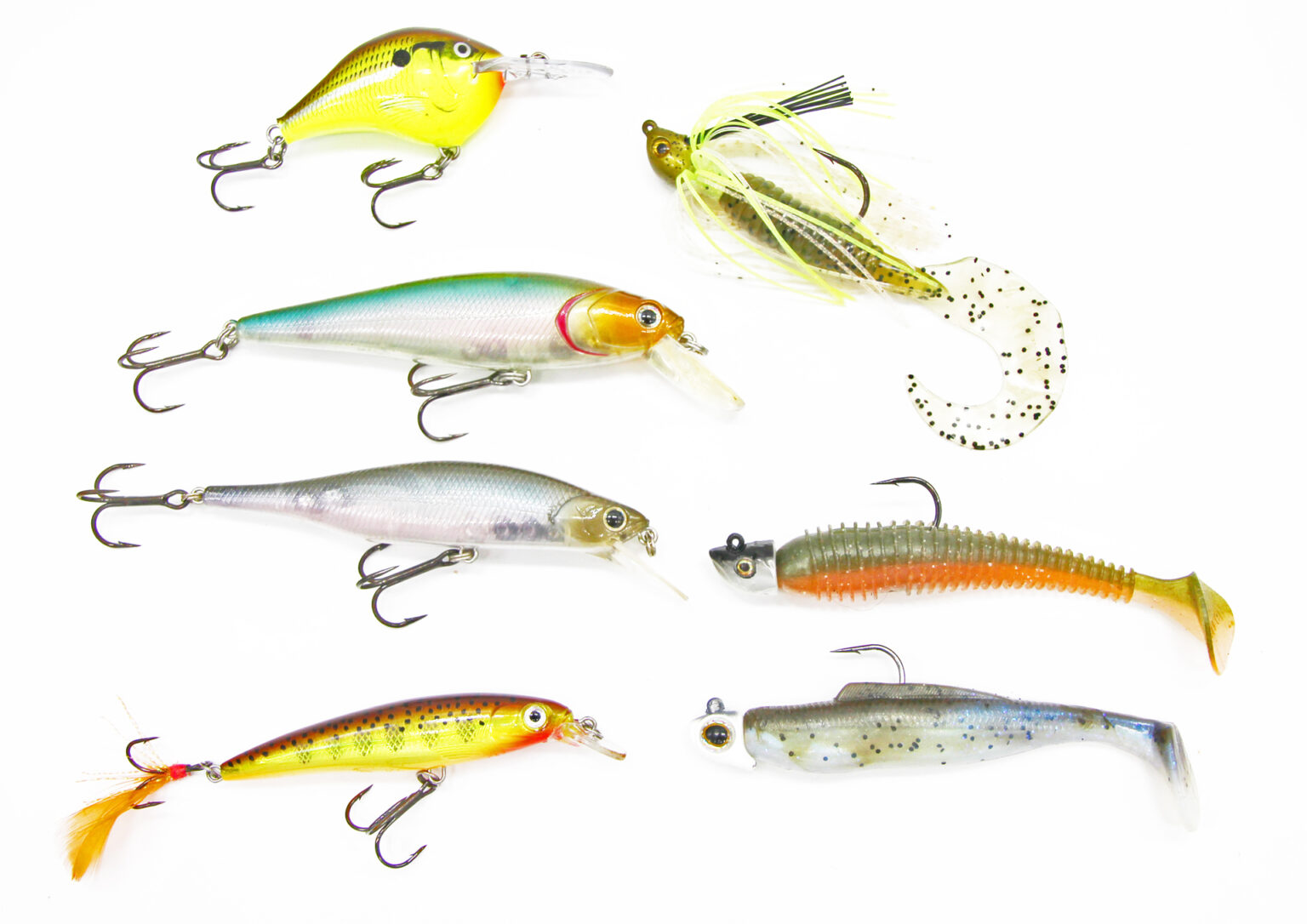
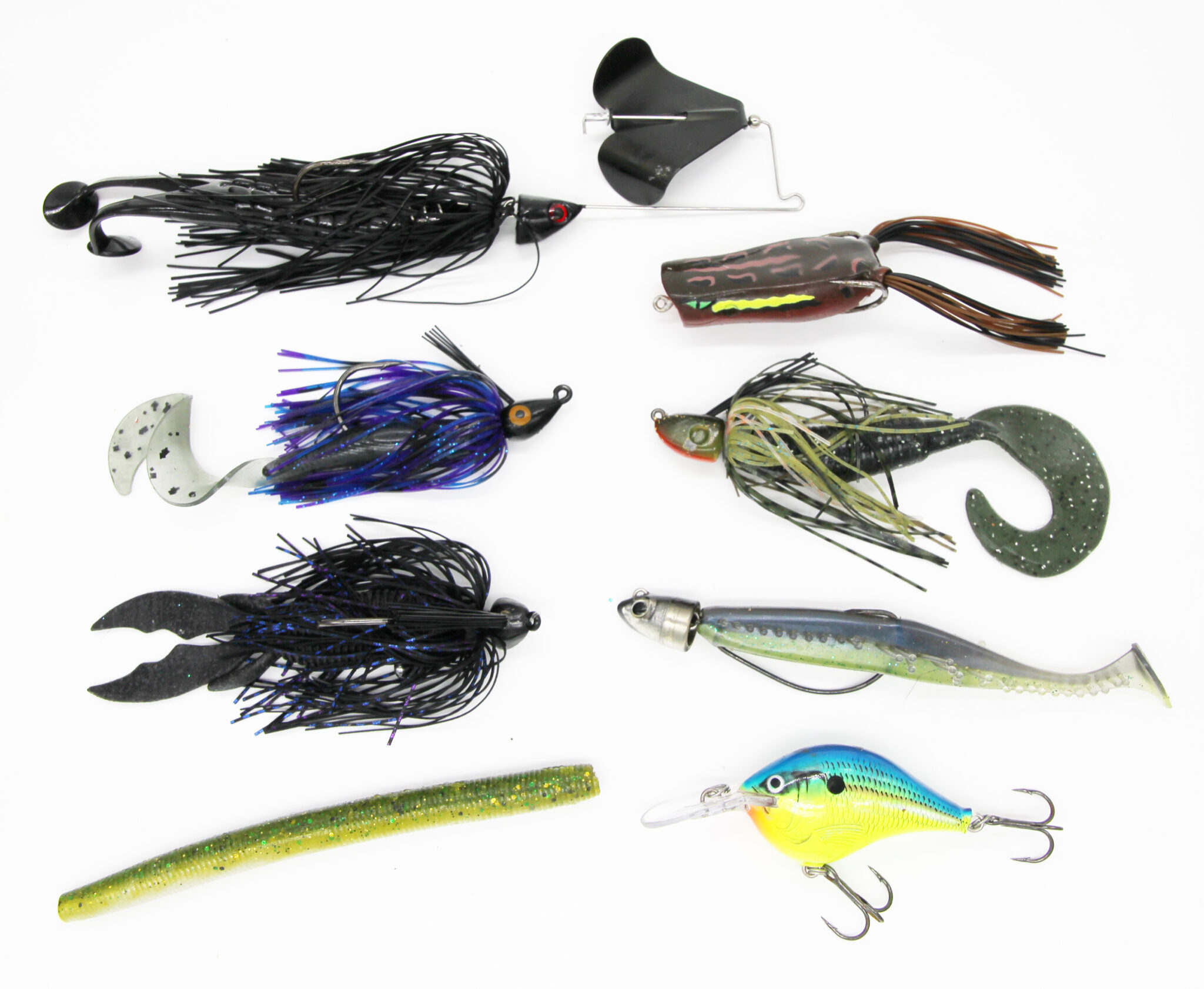
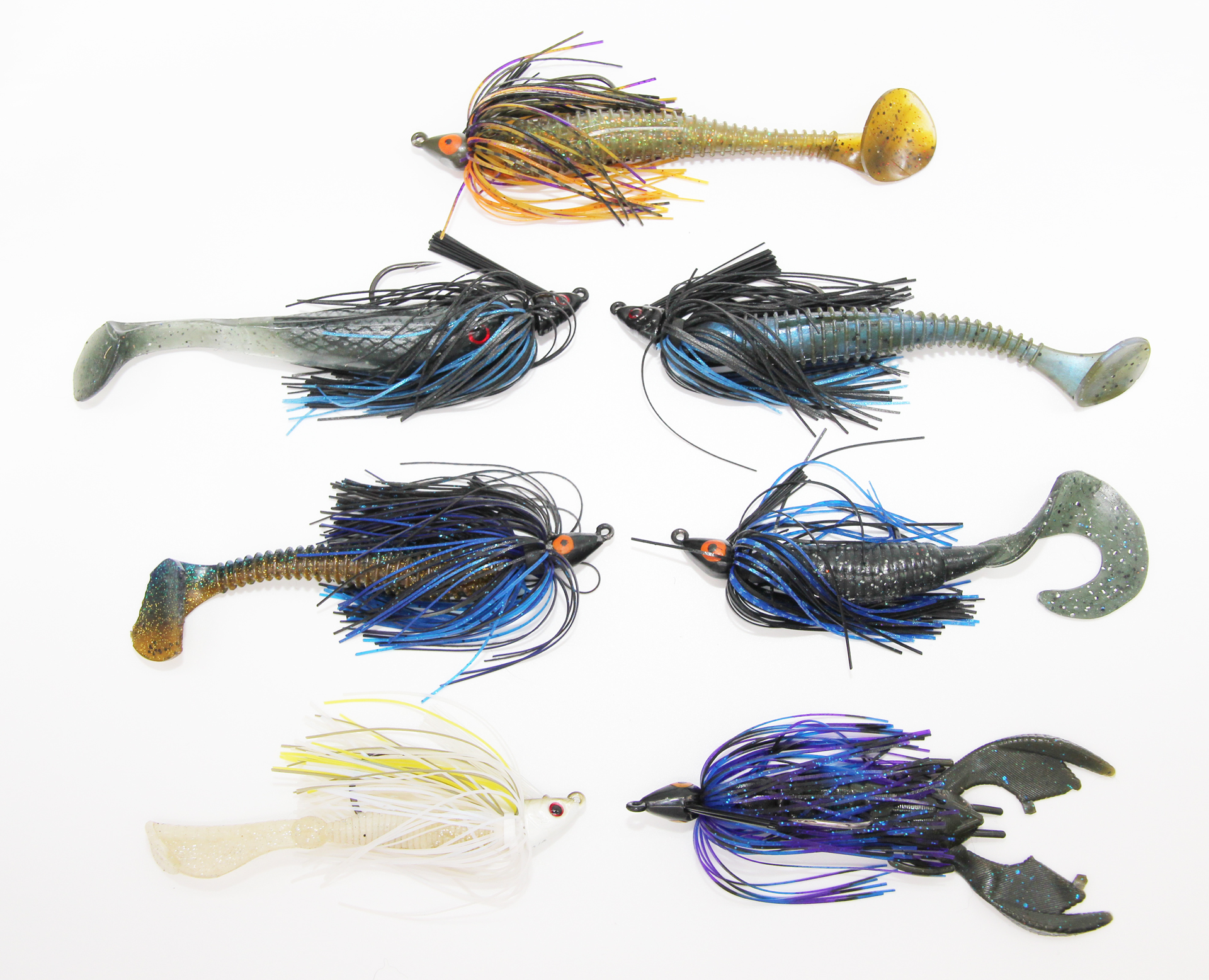
By now, most waters are darker clarity or blooming, and therefore a dark black/blue or black/chartreuse, 3/8- and 1/2-ounce swim jig, paired with a high-power, vibrating paddletail swimmer, or creature, effectively represents a fleeing bluegill better than many other presentations.
A swim jig and casting jig are two of the most effective lures to employ in this situation. One presentation is built for speed and covering water, while the other for slower fishing and precise lure placements.
My favorite way to catch largemouths is with a 1/2-ounce swim jig paired with a 5-inch paddletail trailer. This bait combination accounts for several big largemouths on an annual basis.
You can be among the first to get the latest info on where to go, what to use and how to use it!
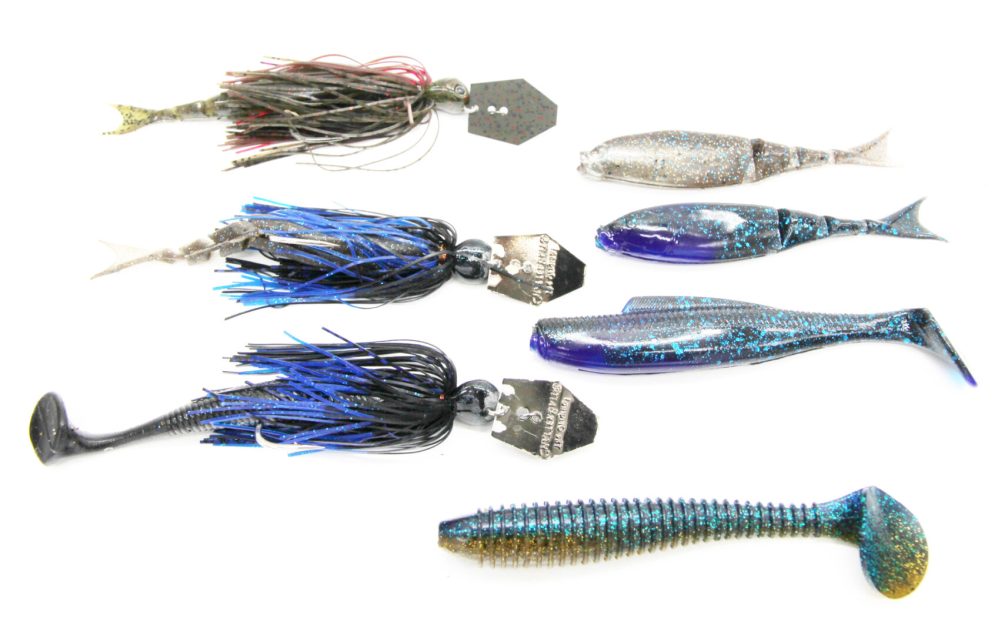
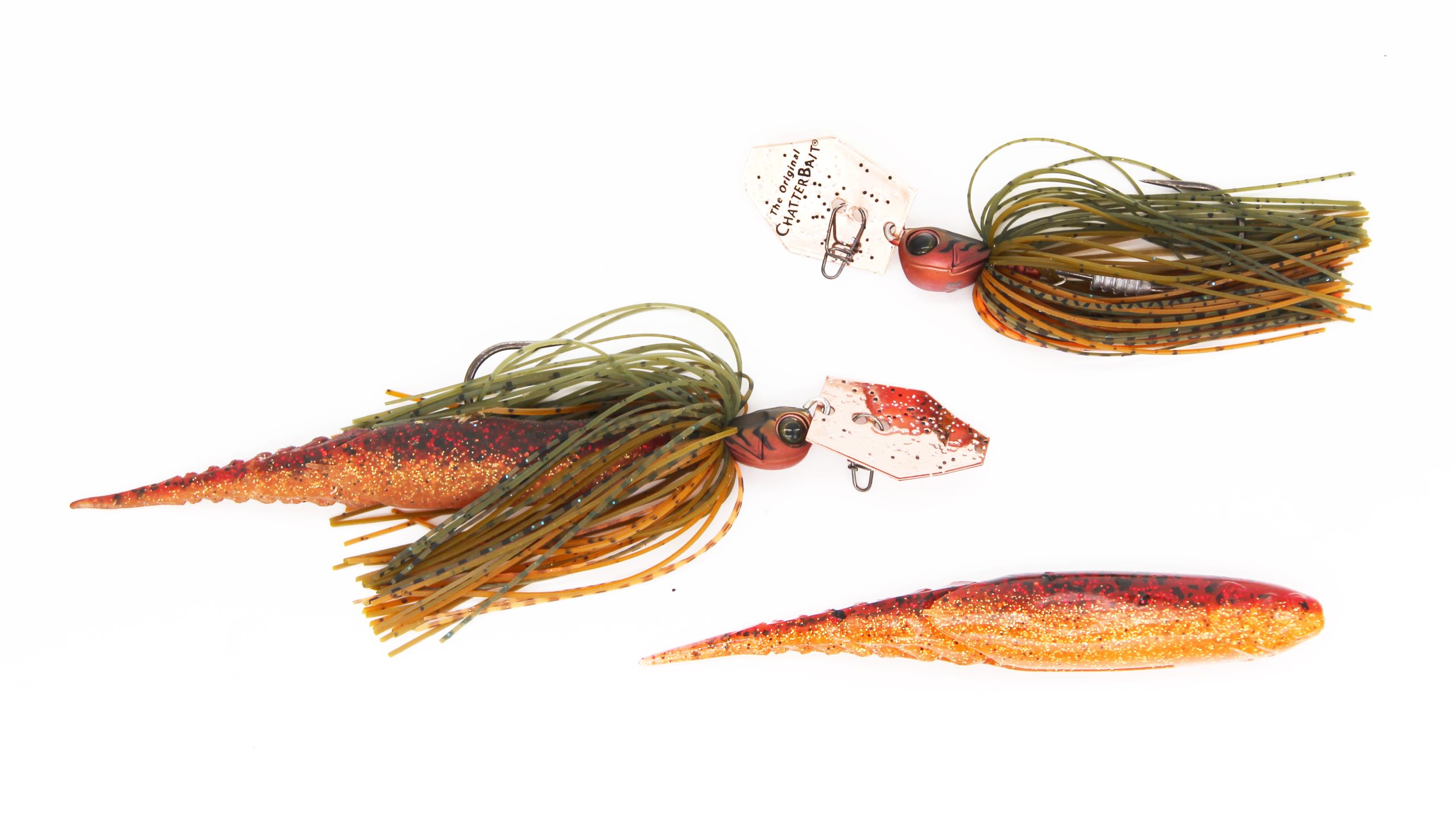
A couple of years ago, my biggest and best largemouth catches were made with a 1/2-ounce Z-Man Chatterbait Elite EVO paired with a Chatterspike. I let the water clarity dictate color choice, but Bama Craw and Black/Blue are both difficult for me to ever take off.
The biggest summer largemouths I catch are often triggered by a larger, bulkier trailer. I like to overpower them in summer with full 4- and 5-inch paddletails that produce a wide tail kick and side-to-side wobble. Top choices are GrandeBass Kickback Shads, Bass Assassin Boss Shiners, and Big Beast Baits customs. Trailer vibration is the most critical triggering point in reduced visibility/algae bloom waters. In many murky water clarities and weedy jungles, baits that move too fast may avoid a bass’s strike zone before it could see or sense it, respond and strike. In these situations, I like to slow my retrieve speed and tip jigs with large creature baits.
Colors vary from bluegill patterns to blacks and blues. Freedom Tackle Corp. and 3G Smallmouth Solutions swim jigs are my two baits of choice. For best contrast to poor water clarity, dark jig and trailer colors are always preferred.
Junk fishing strategies really shine on these fisheries. With these two lure types, plus launching around spinnerbaits and lipless crankbaits, you never really know what you’ll catch. When pre-frontal feeding windows emerge, the entire lake has the potential for firing up. Northern pike, walleyes, and muskies are always possible bycatches.
Meanwhile, smallmouth behaviors aren’t much different at their fisheries. You can go to any lake type to take advantage of these windows. Pre-frontal conditions send me to the deep, clear, trophy waters where the boat will have great opportunities at a few bites on these more elusive fish.
Food chains get active, first observed with yellow perch and ciscoes. Next, smallmouths invade the flats or relocate to wherever the forage is, feeding on whatever food supply is available.
Search lure strategies apply here, too, with spinnerbaits, paddletails, and deep-diving crankbaits catching most of our fish. The only instances I ever slow down during these windows is when smallmouth concentrations are greater—commonly atop flats and in spot-on-spot areas. Dragging tubes, football jigs, or Ned rigs through these areas. Often, there is a wind present, so working jig baits can be counterproductive.
The pre-frontal feeding windows brought by cold fronts and cool downs can represent some of the best fishing and feeding phases of the summer and fall seasons for trophy bass.
Part 1 of this feature focused on pre-frontal fishing strategies. Part 2 will appear in the next (April) issue of MidWest Outdoors and concentrate on post-frontal fishing adjustments once a cold front has passed.


Did you enjoy this post?
You can be among the first to get the latest info on where to go, what to use and how to use it!