109
Spring Brings More Fishing Opportunities
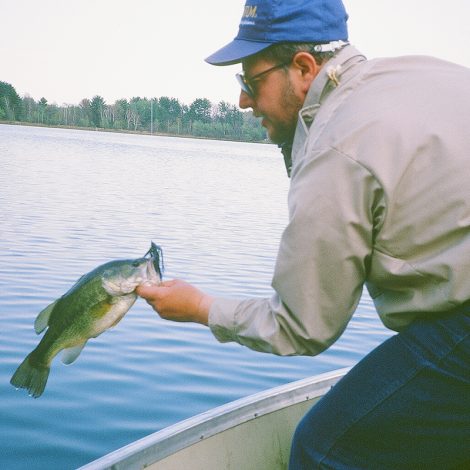

Choosing the Right Line
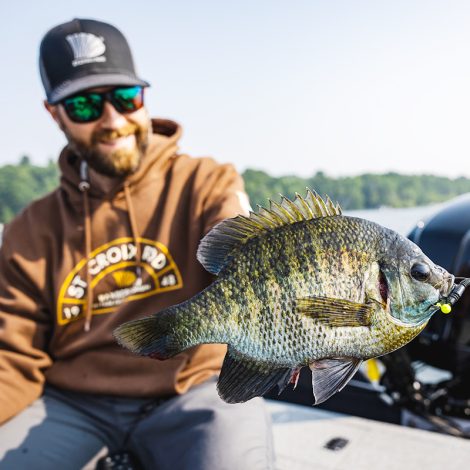

Finding the Pockets that Hold Bass

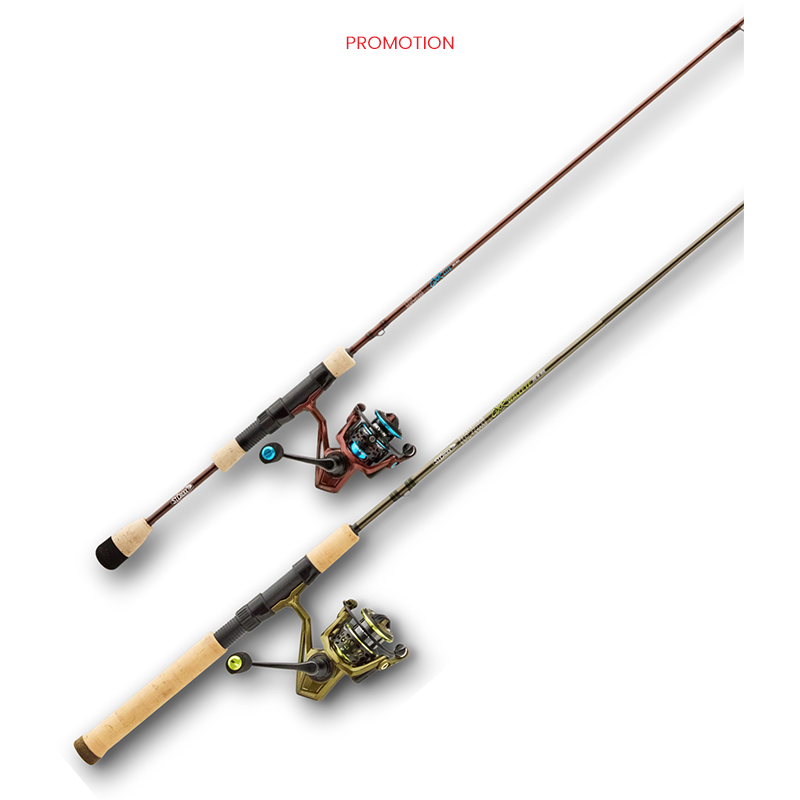
Precision-Matched High-Performance Combos
Backup Rod and Tackle


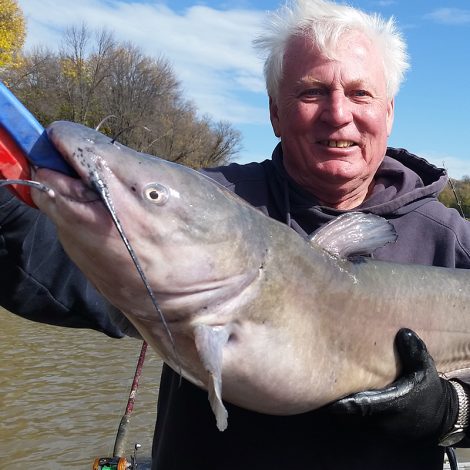
Preparing for the Catfish Season


Mushrooms: Neither Plant Nor Animal

There’s a fungus among us! A mushroom is one of many fungi. Its body is made up of tiny threads that weave through soil, wood, etc. called hyphae—cylinder-shaped cells stuck end to end, sometimes for thousands of feet. The threads clump together to form a larger structure that is visible above ground, called a mycelium…the head of mushrooms we see on the forest floor. They use enzymes to extract nutrients from the materials in which they are growing.

Mushroom Partnership
Mushrooms and trees form a mutually beneficial relationship with each other called symbiosis. The fungus forms structures called mycorrhizae that interact with the tree’s roots. Together they form a critical network: the trees provide the mushroom with sugar while the mushrooms assure that the tree gets water and nutrients it would otherwise not have access to.

Mushroom ‘Telegraph?’
The tiny thread connections mushrooms weave throughout the root system of trees serve as a unique network that enables nutrients and chemicals to move from tree to tree. It also serves as a telegraph of sorts by sending signals that warn of attacks by insects. The trees use this communication routing to ramp up their defenses by producing insect-deterring chemicals.